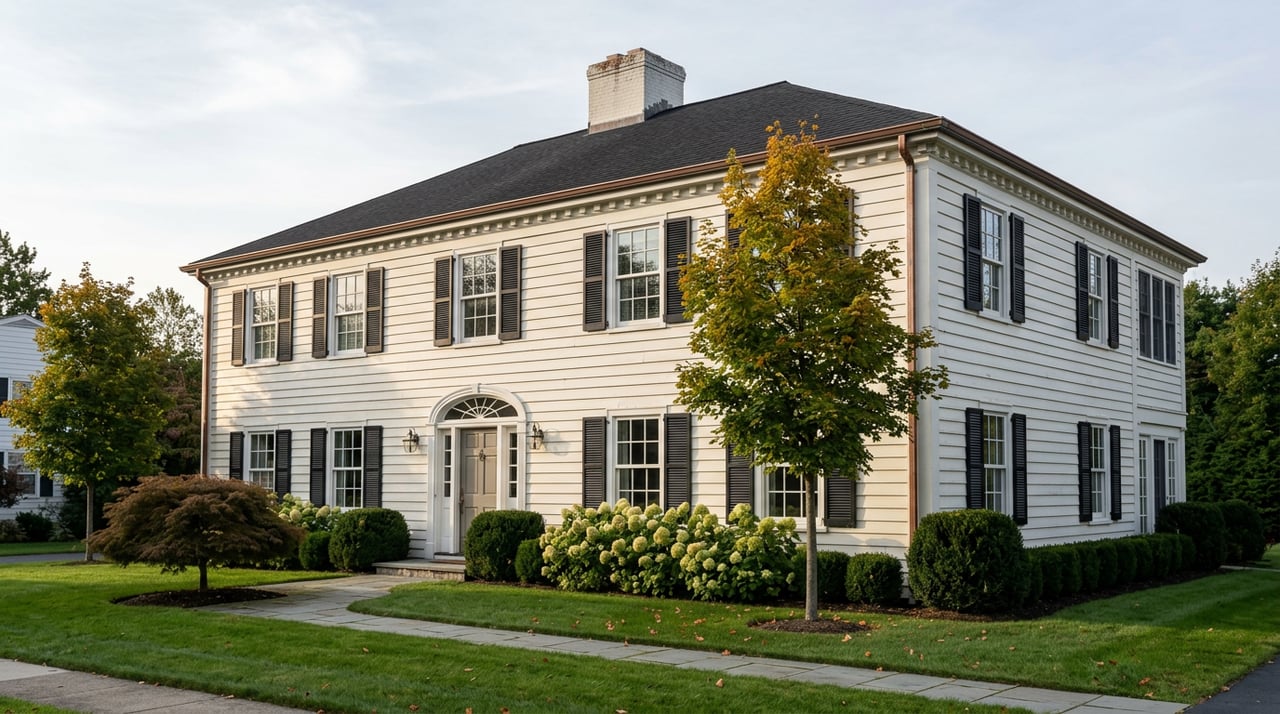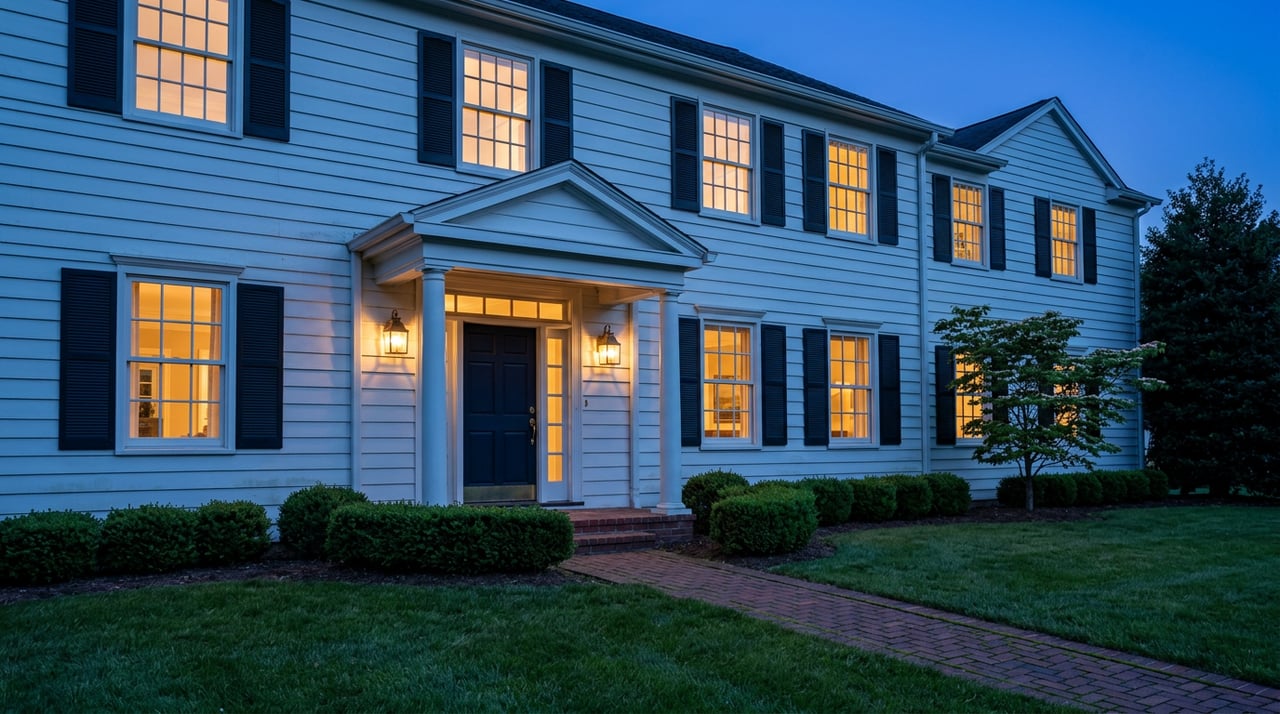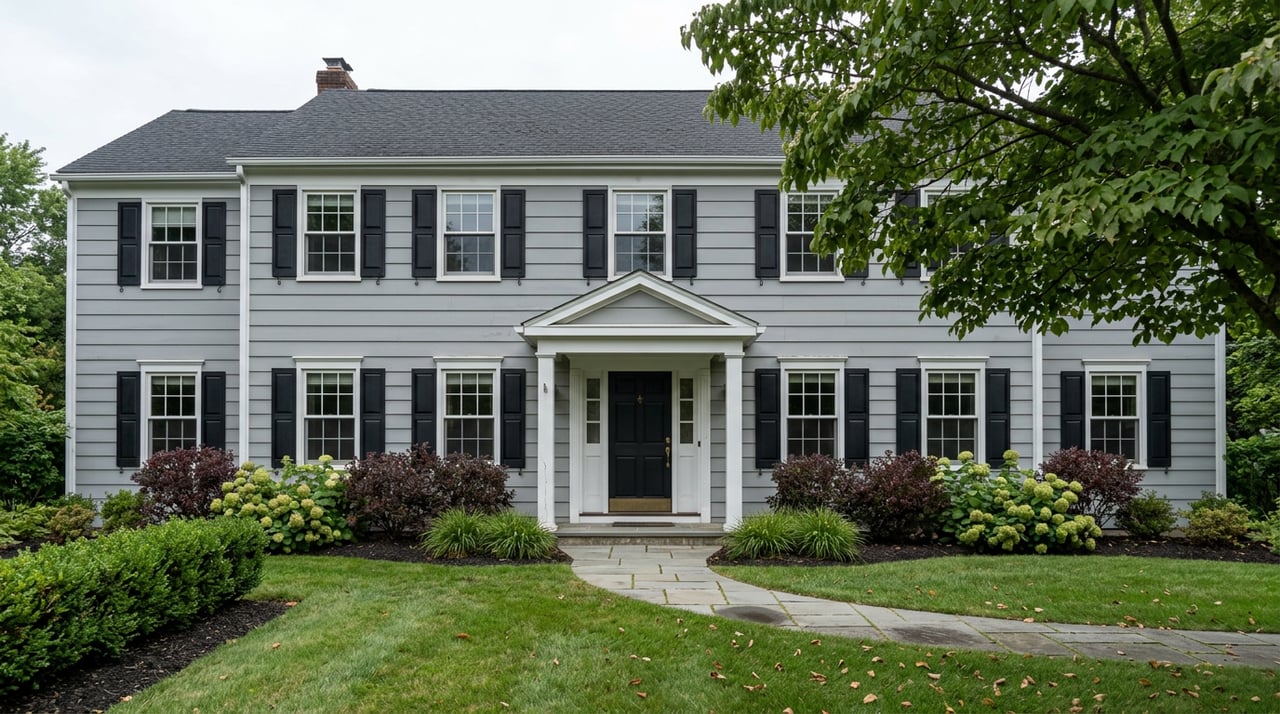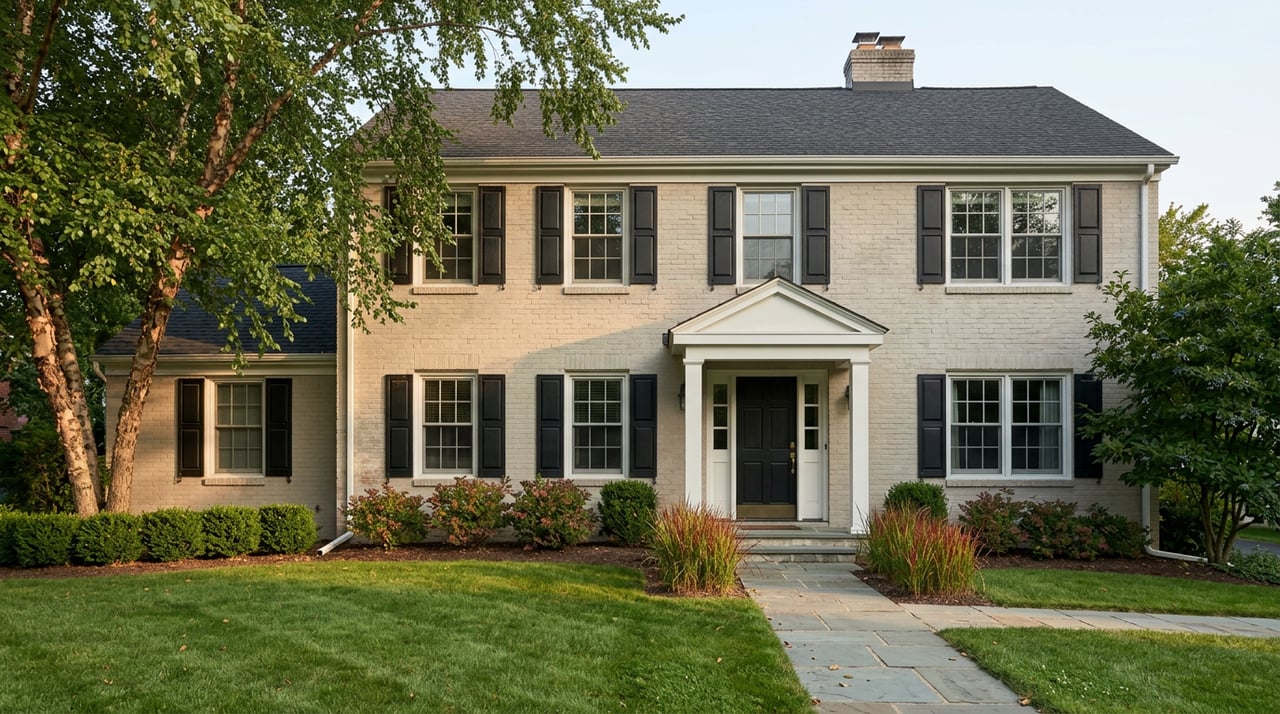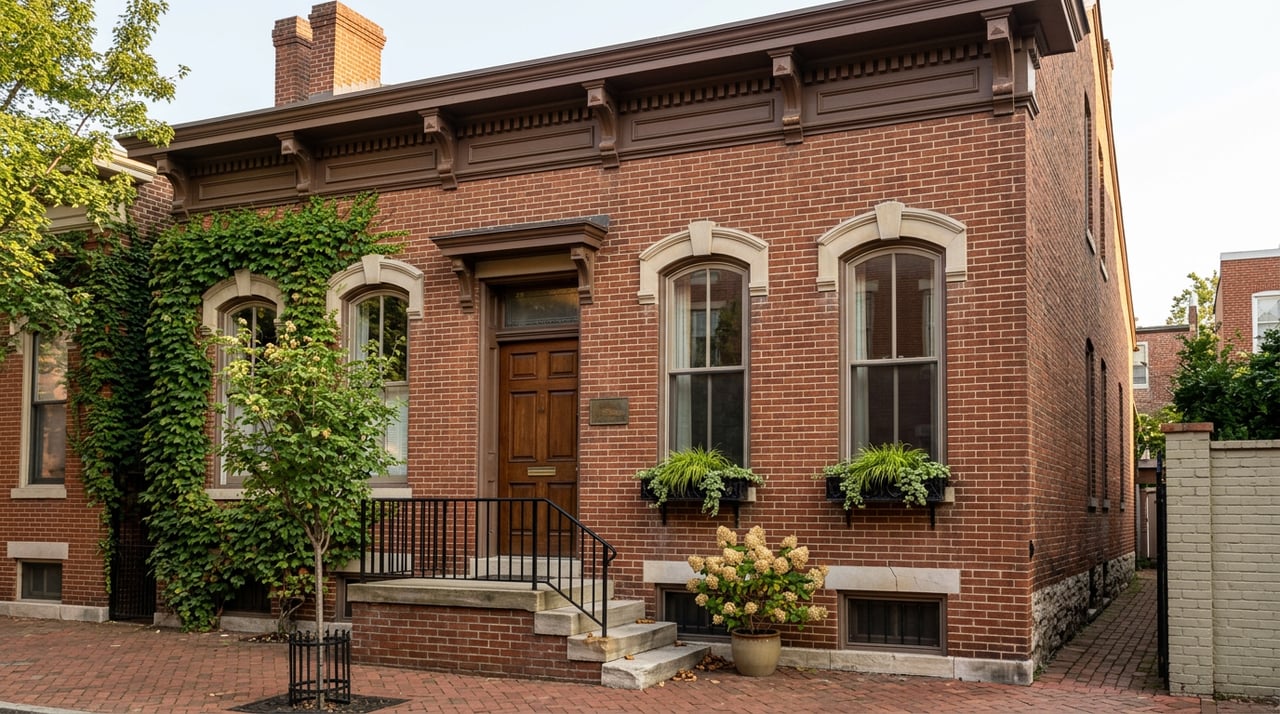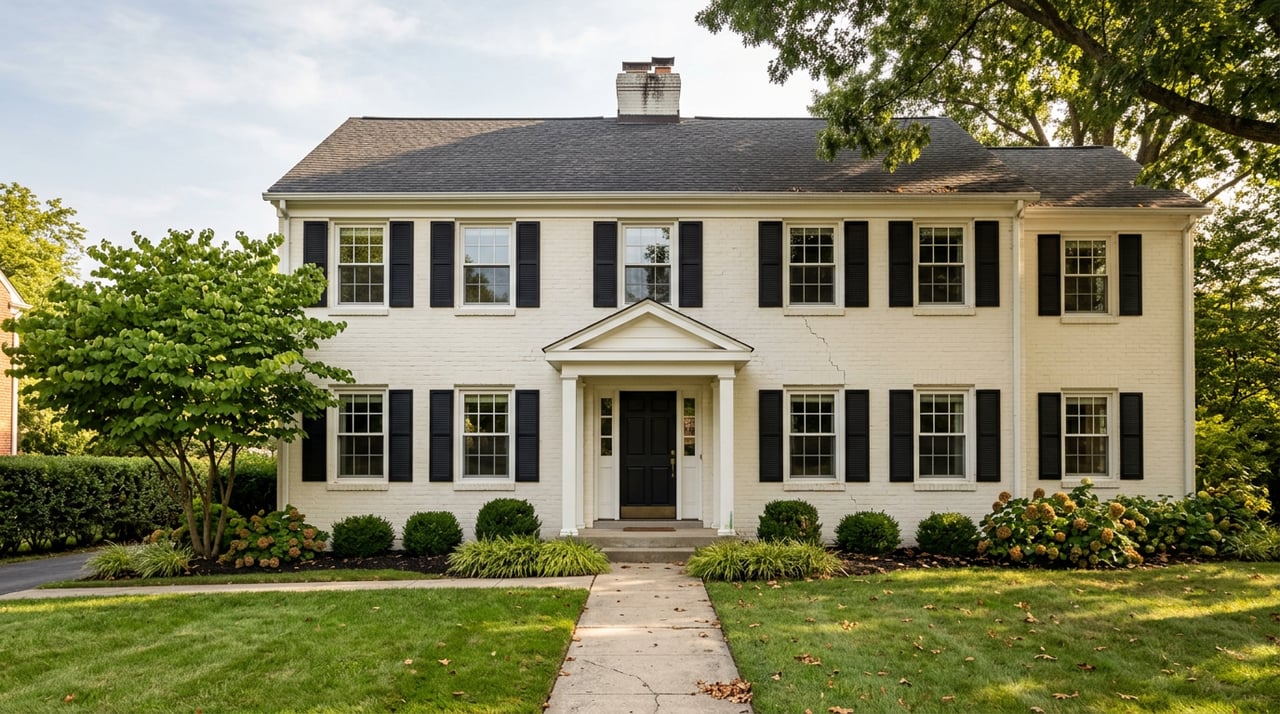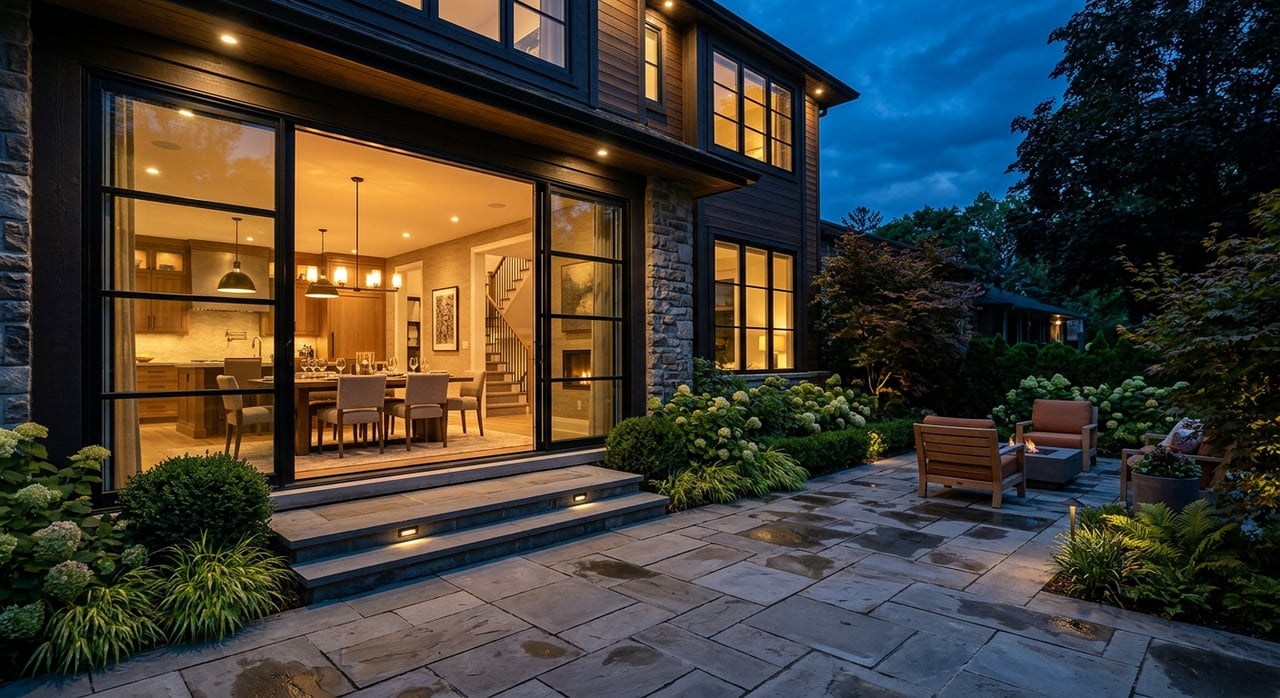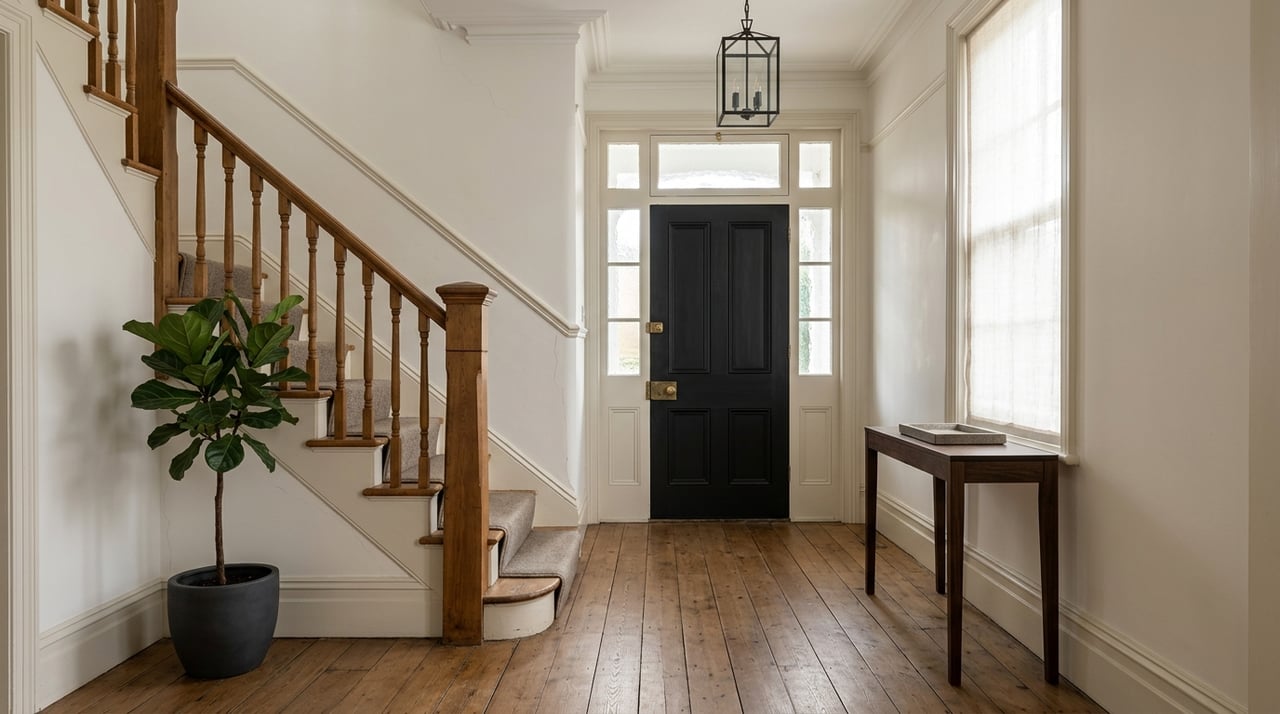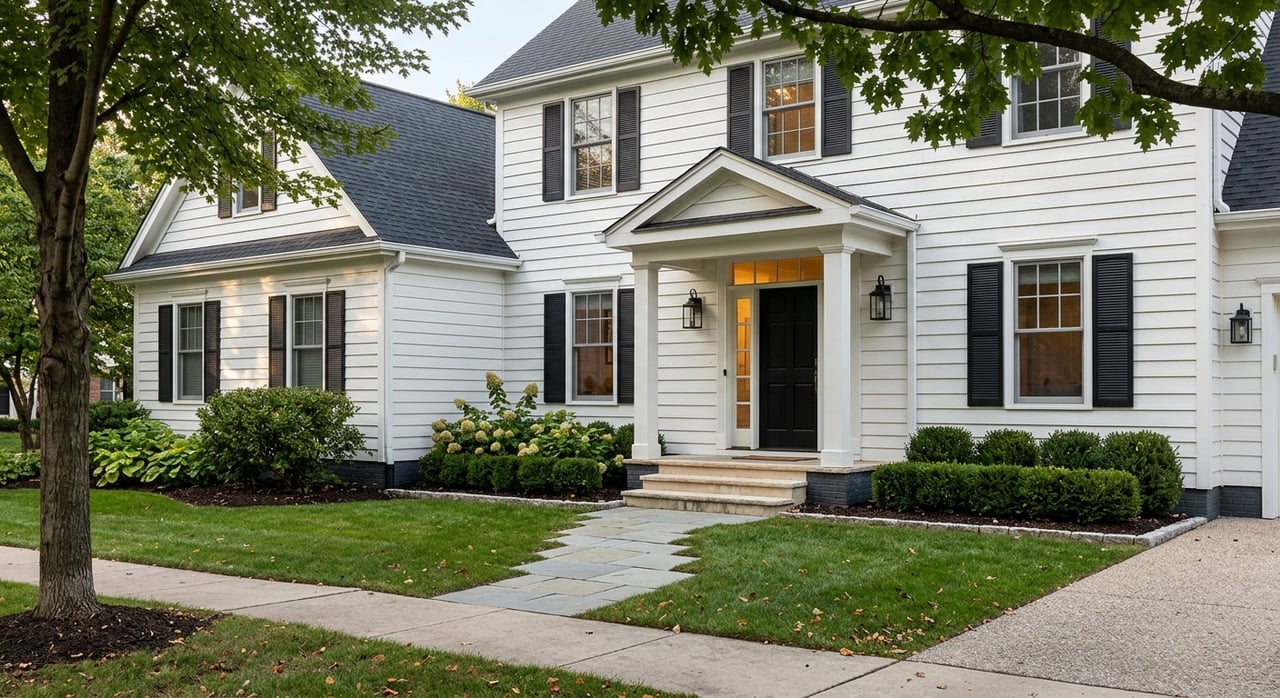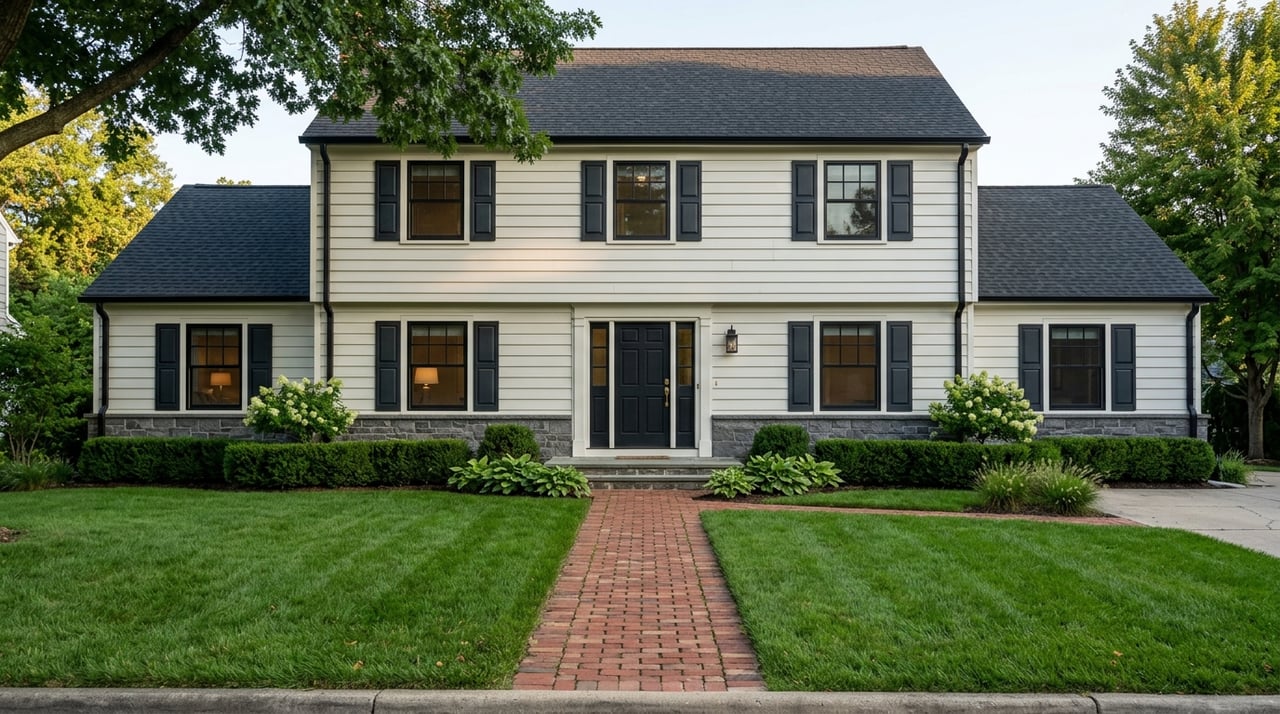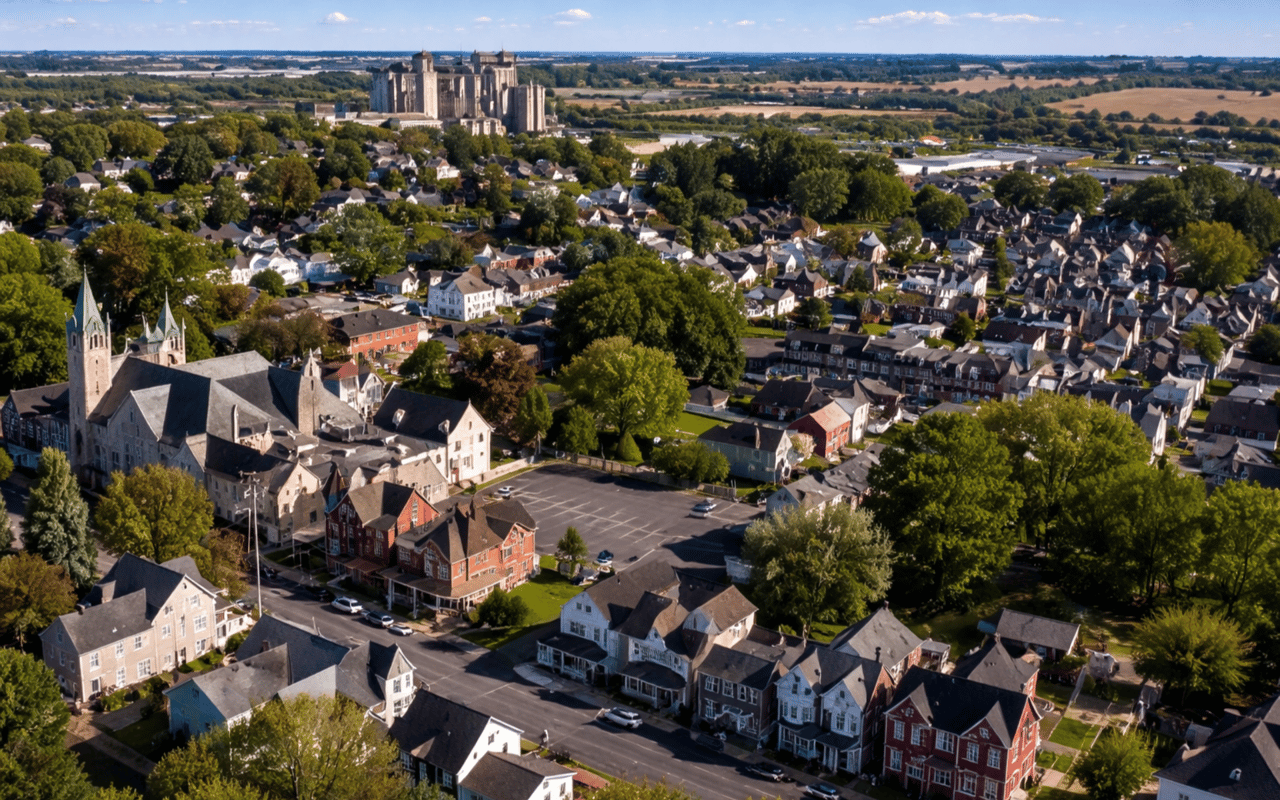
A buyer looking at a mansard-roofed Victorian on Cattell Street in College Hill and a red-brick rowhouse on Spring Garden Street downtown might assume both come with the same set of restrictions. Both neighborhoods get called historic in listing descriptions. Both sit in a city that talks constantly about preservation. Both were built in roughly the same era, when Easton's industrial wealth was building homes for merchants, professors, and mill owners.
Only one of them actually has to ask permission to repaint the porch.
That difference is not about the house. It is about an invisible boundary drawn through the city in 2005, and it is the single most consequential fact a buyer planning to renovate an older Easton home can know before making an offer.
The rule that only applies inside the line
Easton's Local Historic District was passed by City Council in August 2005. The boundary runs roughly along the Delaware River, Bushkill Creek, Sixth Street, and the Lehigh River, with both sides of Sixth Street included. Inside that line, any exterior change visible from a street, sidewalk, or public way requires a Certificate of Appropriateness. Not a suggestion. A requirement, reviewed by the seven-member Historic District Commission and formally approved by City Council before a building permit can be issued.
The commission's actual case files from 2025 show how granular this gets. A proposed mural tribute to Frida Kahlo on a second-story wall at 42 S 3rd Street went through commission review, approved in part because the wall itself was deemed a non-contributing surface. A roof replacement at 13 South 5th Street came with specified shingle colors: Antique Slate or Colonial Slate, GAF Slateline or CertainTeed Carriage House, nothing else. A deck project at 212 South 5th Street had rules on baluster material and foundation depth. Signage for a restaurant on South 3rd Street went through review for letter style, sans serif versus serif, and whether black vinyl lettering would read clearly against dark glass.
This is not zoning in the abstract. It is a real process that touches paint color, roofing material, deck railings, and sign lettering, on a monthly meeting cycle, for anyone who owns a street-facing property inside that 2005 boundary.
Outside the line, the same age of house plays by different rules
College Hill tells a different story. The neighborhood's Residential Historic District was added to the National Register of Historic Places in 1992, recognizing a collection of Victorian homes built mostly between 1830 and 1940, including the McKelvy House, designed in 1888 by the firm McKim, Mead and White. National Register status is real and it matters for things like certain tax credit eligibility. It does not create a local Certificate of Appropriateness requirement. Nobody at City Hall reviews your window replacement because your street made the National Register in 1992.
A separate, more restrictive framework has been proposed for College Hill and the West Ward since February 2019, when a citizen committee approached the Easton Planning Commission with the idea of creating locally enforced Historic Conservation Districts in both neighborhoods, plus the South Side. The West Ward version moved furthest. A full draft ordinance, modeled closely on the language of the Downtown Historic District, was unveiled at a Planning Commission meeting in March 2020, with specific rules proposed for porches, original materials like brick and slate, and new construction standards meant to keep additions compatible with surrounding homes.
City Council tabled its introduction. As of the most recent reporting available, it has not been adopted. The College Hill version, which committee materials describe as following the West Ward draft "shortly," has not surfaced as an enacted ordinance either. The South Side effort was dropped outright. The committee's own site notes that after meeting with South Side residents, there was insufficient interest to proceed.
One of the commissioners who reviewed the West Ward proposal put the underlying motivation plainly:
"Part of this movement is to prevent the wholesale destruction of Easton."
That sentiment came out of a real event: a development plan years earlier threatened to demolish a number of century-old homes on College Hill, which is what prompted Mayor Sal Panto to first suggest historic districts as the fix. The demolition risk was real. The regulatory response to it, six years into drafting, still is not law.
What this actually means if you are comparing neighborhoods
If your search radius includes both College Hill and the downtown Local Historic District, the practical difference is not architectural style or the age on the deed. It is process.
Buy inside the 2005 boundary, and any exterior renovation visible from the street runs through the Historic District Commission, which meets monthly, then goes to City Council for final sign-off. That means lead time. It means budgeting for compliant materials, which the commission's own guidelines note are meant to balance historical accuracy against financial feasibility, including a provision that lets owners submit contractor estimates if in-kind repair is unreasonably expensive.
Buy on College Hill or in the West Ward, and as of today there is no equivalent local review. A porch, a window, a fence, a rear addition, all of it currently runs through Easton's standard zoning and building permit process, the same as anywhere else in the city, regardless of how old or architecturally significant the house is.
Here is the comparison in plain terms:
| Area | Legal status | Enforcement | Adopted |
|---|---|---|---|
| Downtown (Local Historic District) | City ordinance | Certificate of Appropriateness required for street-visible exterior work; HDC reviews, City Council approves | August 2005 |
| College Hill | National Register listing (1992); Conservation District proposed | No local COA requirement at this time | Not adopted |
| West Ward | Conservation District drafted and introduced | No local COA requirement at this time | Tabled by City Council, not adopted |
| South Side | Discussed, then dropped | No local COA requirement | Effort discontinued |
The downtown rulebook itself is still being renegotiated
Here is the part that makes this worth watching rather than filing away as settled fact. Even the enforced, nearly two-decade-old Downtown Historic District process is not static. In May 2026, City Council took up a resolution to reposition the Historic District Commission as the initial review body for applications subject to its own consideration. The resolution was introduced and then removed from the agenda before a vote, according to reporting from WFMZ. That means the procedural relationship between the commission and City Council, the exact mechanism that decides how fast or slow a downtown renovation gets approved, is currently unresolved.
For a buyer weighing a downtown property against a College Hill one, that is not a footnote. It is a sign that the rules governing the more regulated of the two areas are themselves in motion right now, in 2026, not fixed in 2005 and forgotten.
Before you write an offer on an older Easton home
None of this is a reason to avoid any particular block. It is a reason to ask a different question than most buyers ask. Instead of "is this house historic," ask "does this address sit inside the Local Historic District boundary, and if it does, what does that mean for the renovation I'm planning." The city's Department of Planning and Codes can confirm district status before you're under contract, and for anyone planning exterior work, that single phone call can save months of surprise.
The city's own page on the Local Historic District states the ordinance has been shown to increase property values and quality of life for properties within it. Whether or not that holds for a specific block, the tradeoff is real: more oversight, more predictable neighborhood character, and a slower, costlier path to changing your own front door.
On College Hill and in the West Ward, for now, that tradeoff does not exist. The character comes from the architecture itself, not from a commission that reviews your gutter color. That could change. A draft ordinance has existed since 2019. It just has not become law yet.
A few quick answers
Does a house have to be old to need a Certificate of Appropriateness in Easton? No. The requirement is tied to location, not age. A house inside the 2005 Local Historic District boundary needs a COA for street-visible exterior work regardless of when it was built. A historic-era house outside that boundary currently does not.
Is College Hill a historic district? It is a National Register Residential Historic District, listed in 1992. That recognizes historical and architectural significance and can affect certain tax credit eligibility. It is not the same as being inside Easton's locally enforced Local Historic District, which is what actually triggers Certificate of Appropriateness review.
Will the College Hill or West Ward conservation districts eventually become law? They might. A full draft ordinance exists for the West Ward and has been publicly discussed since 2019, but City Council has not adopted it. Anyone buying with long-term renovation plans in either neighborhood should treat this as an open question, not a settled one.
If you are weighing an older home in Easton against one in College Hill, the West Ward, or downtown, and you want to understand what that specific address will and will not let you do to it, The Cliff Lewis Experience can walk through the district lines, the process, and the timeline before you write an offer. Contact Us.