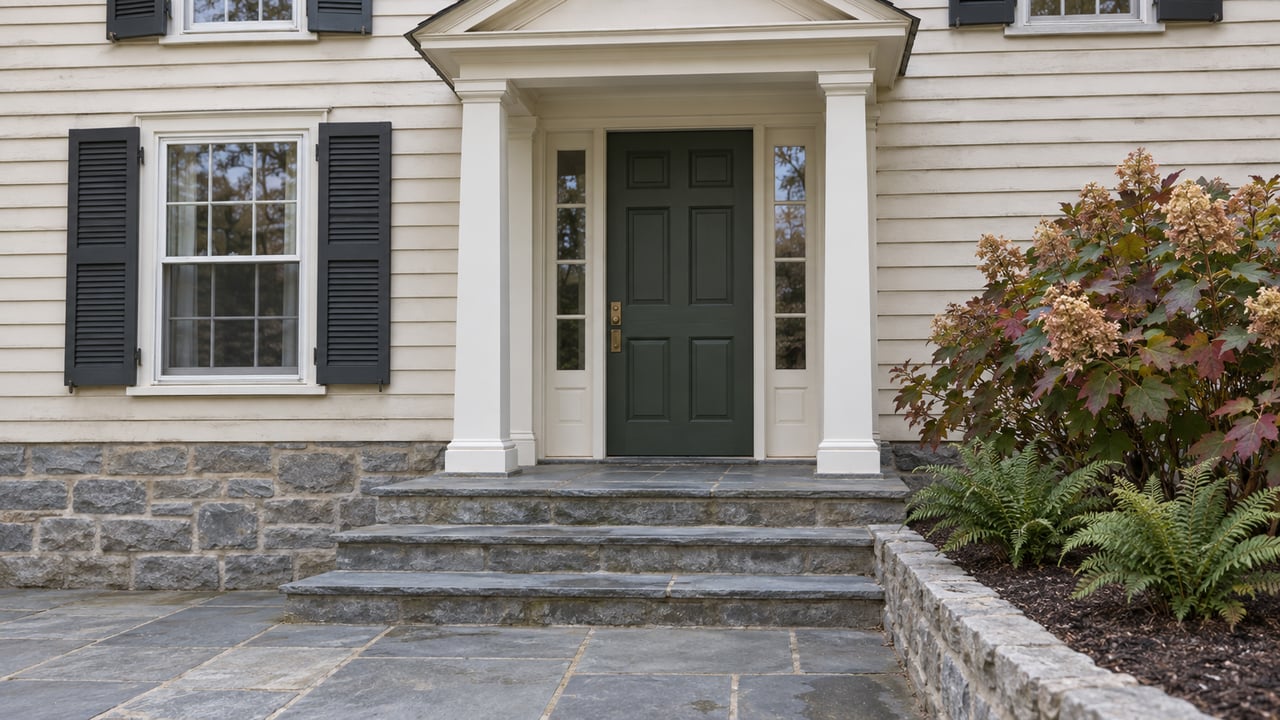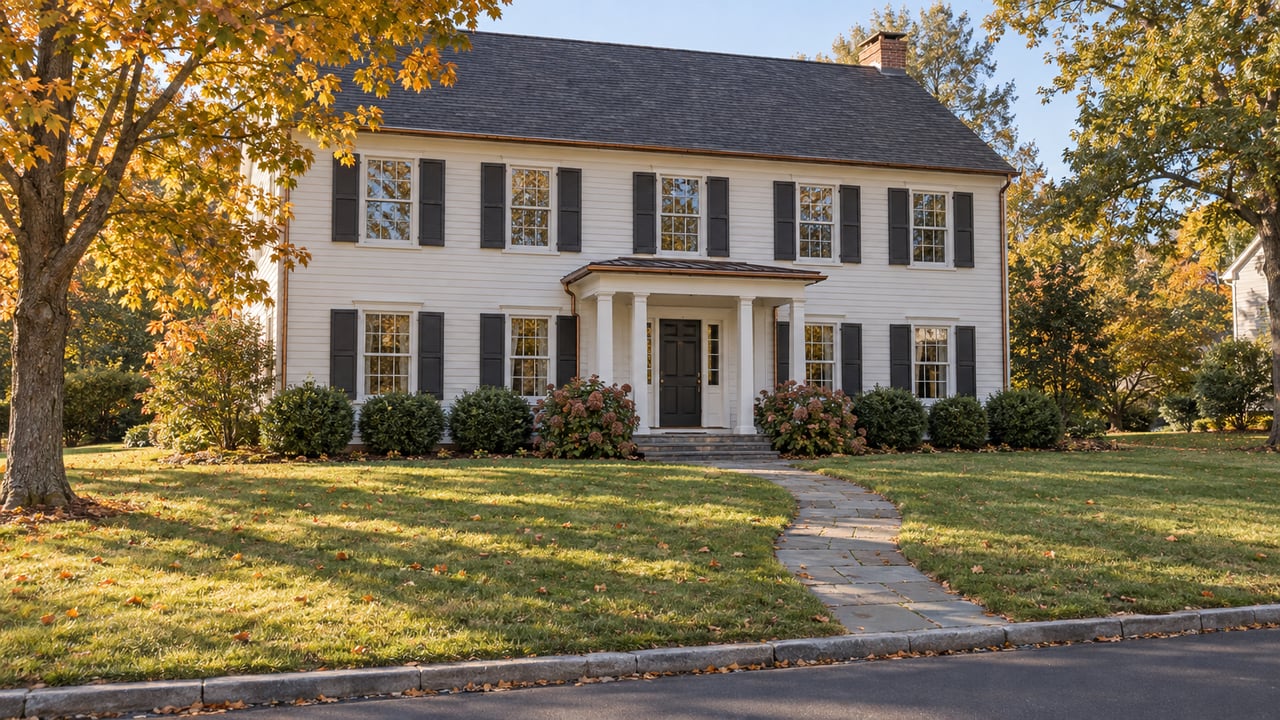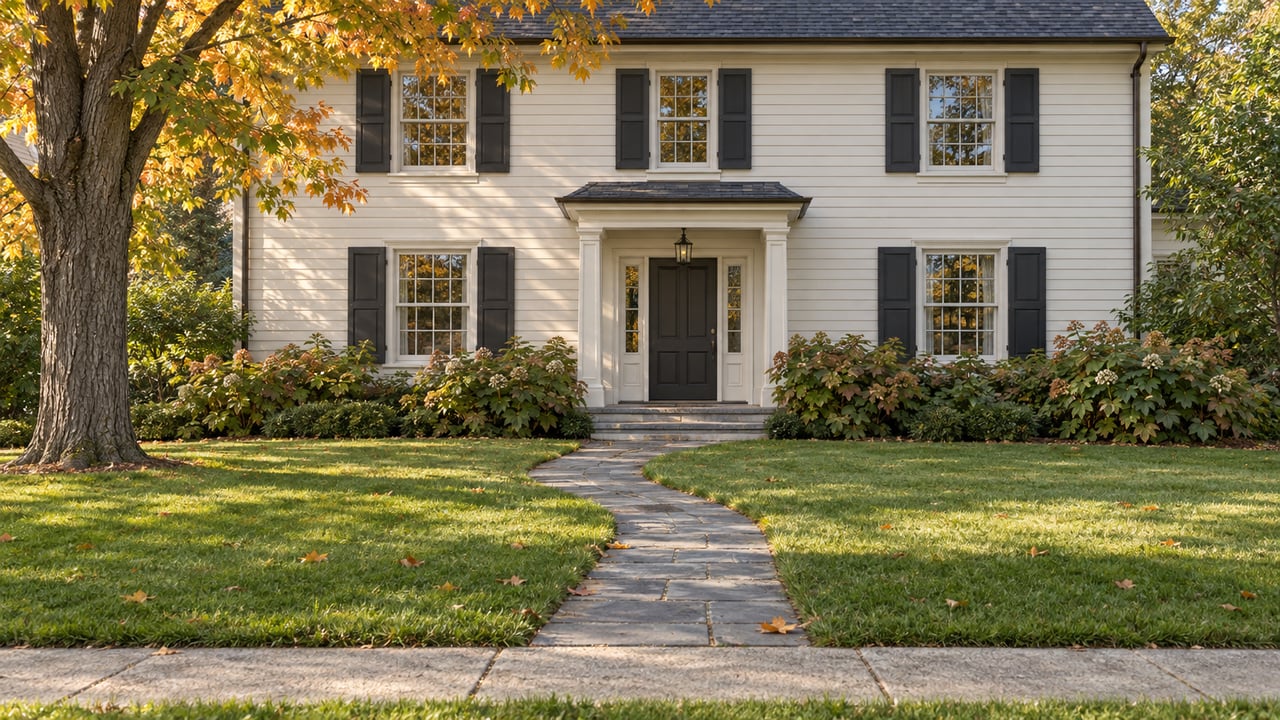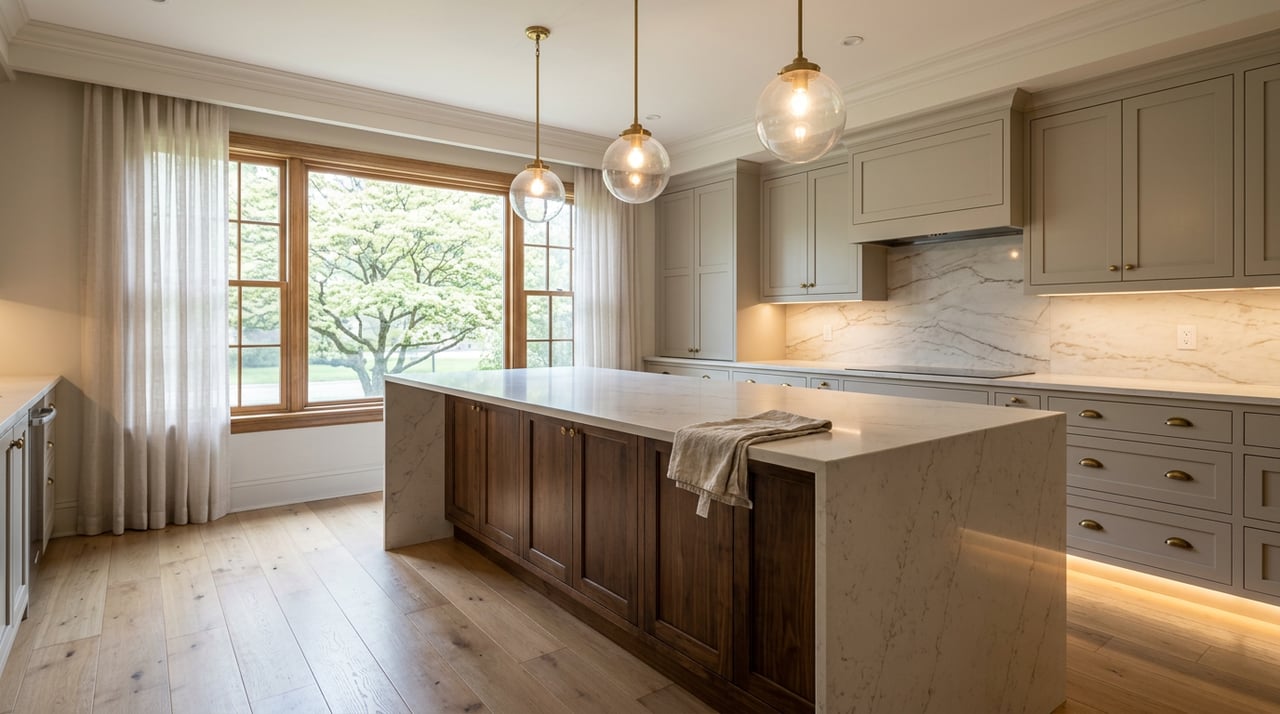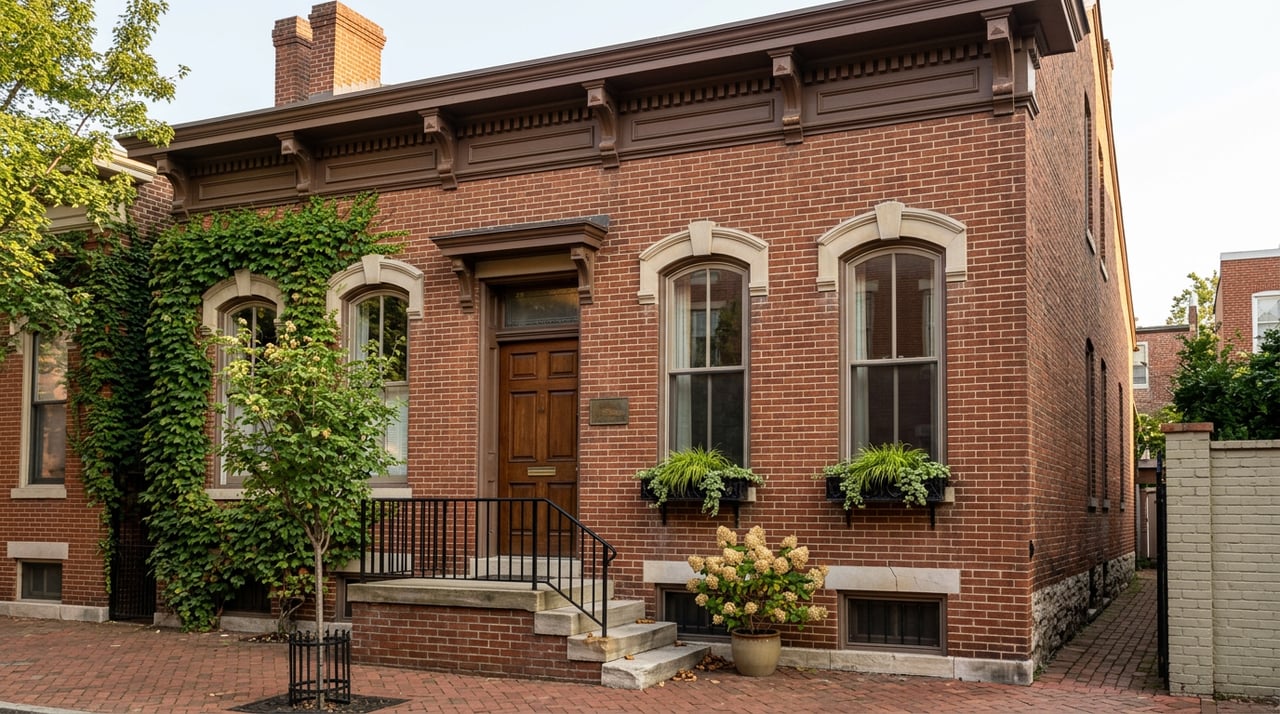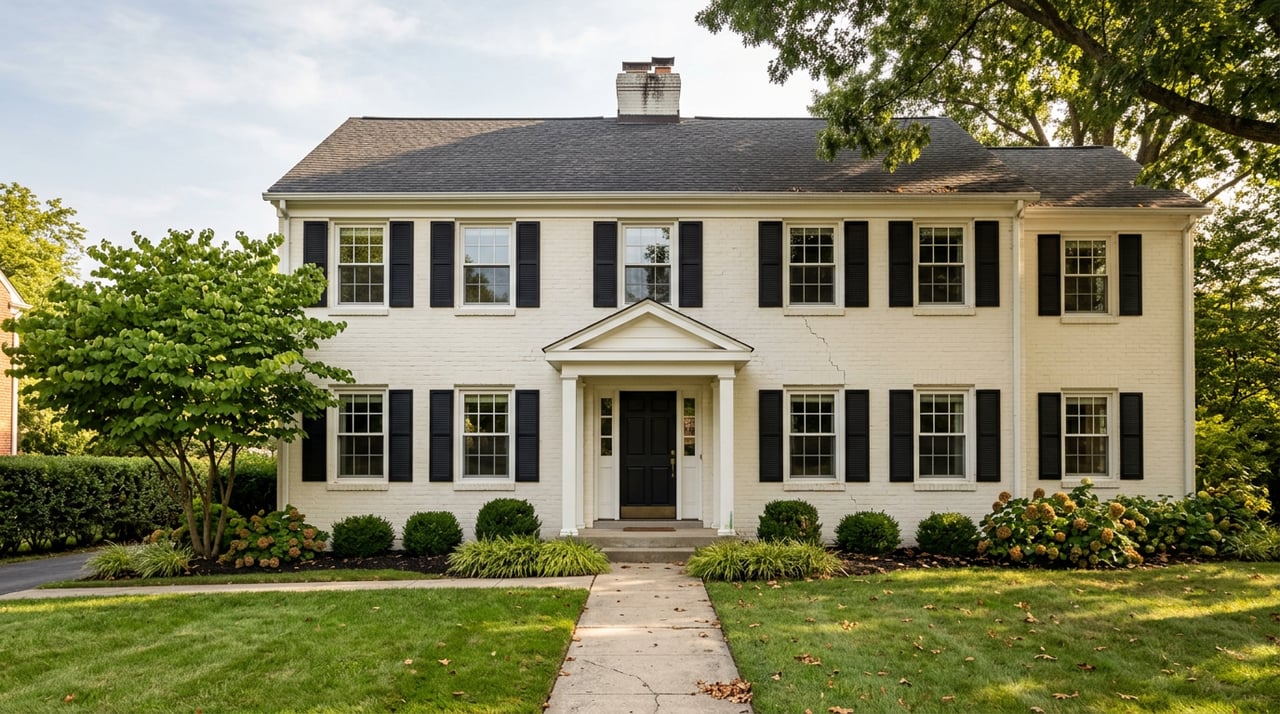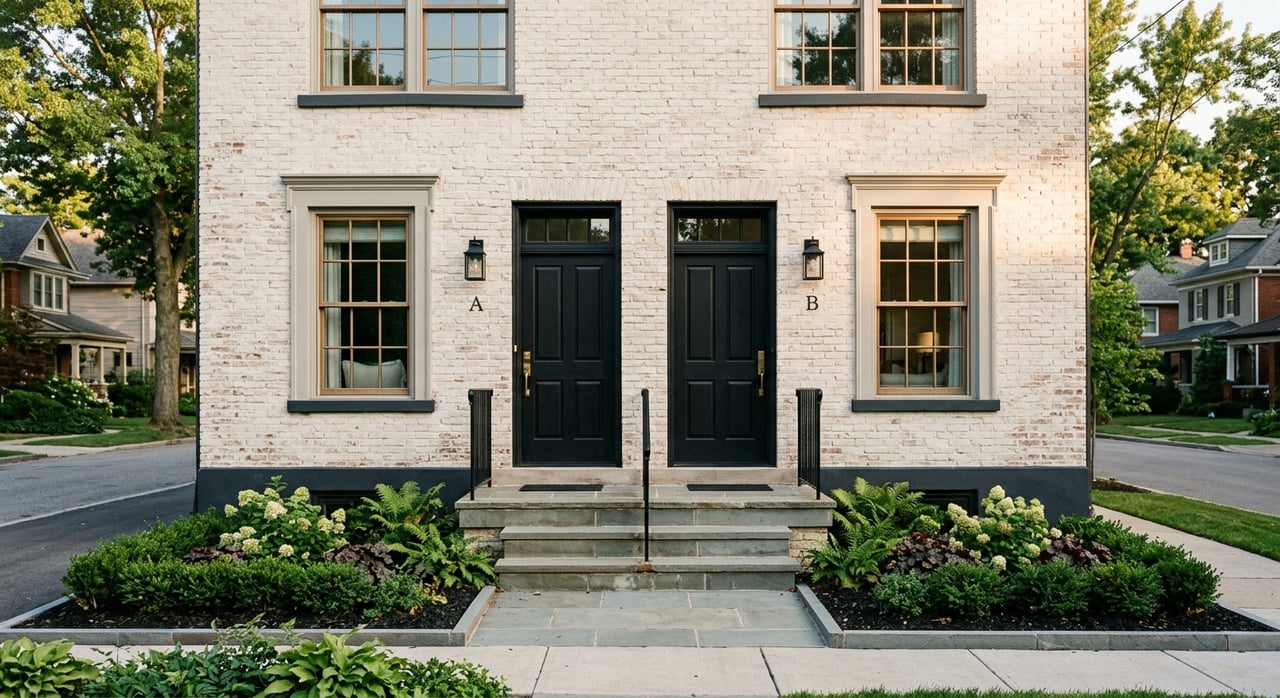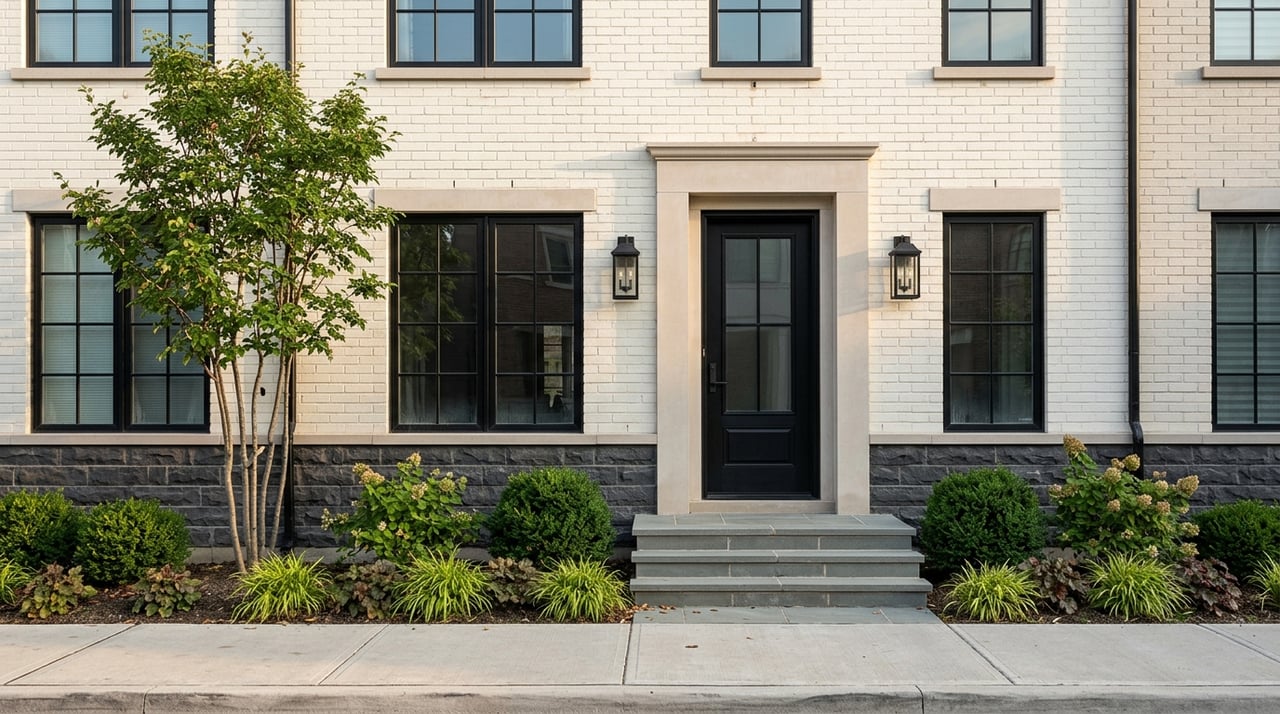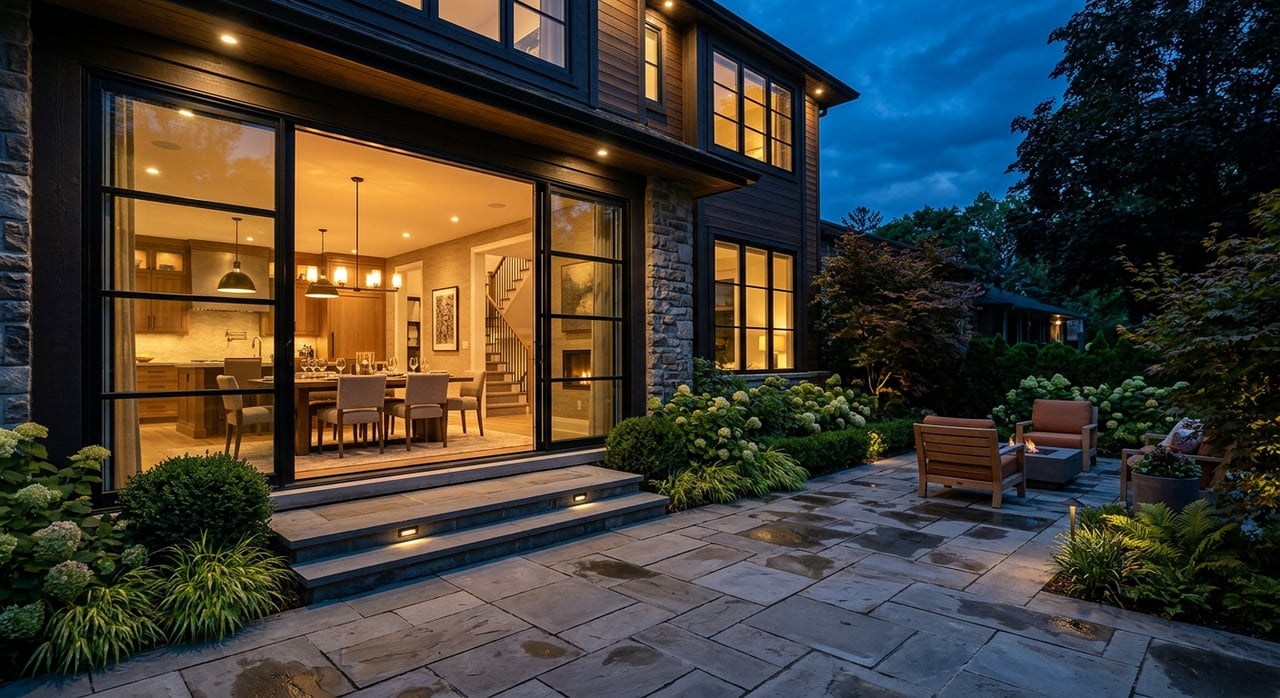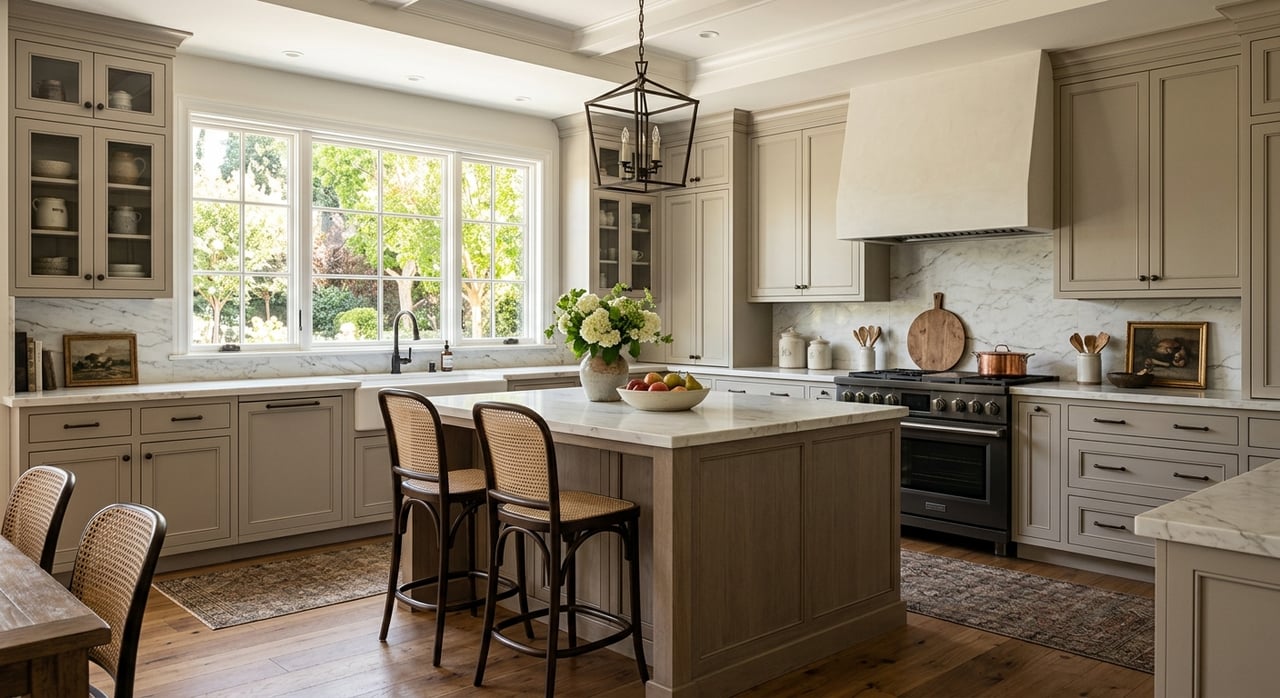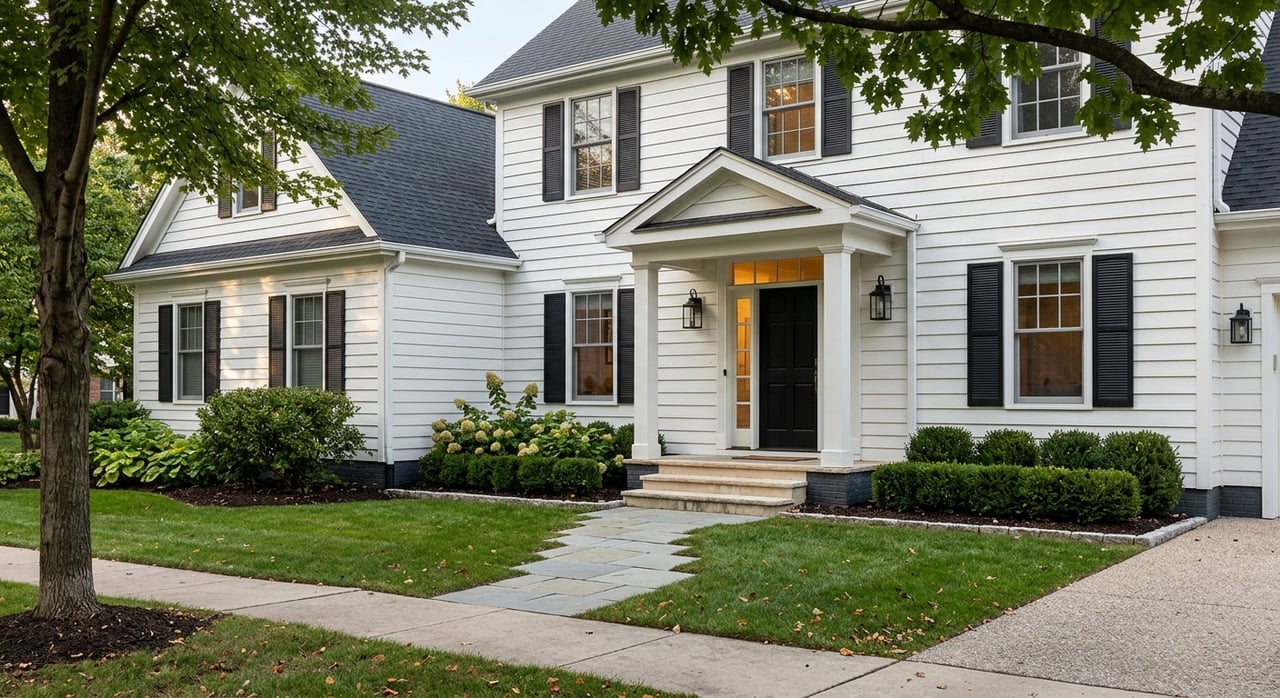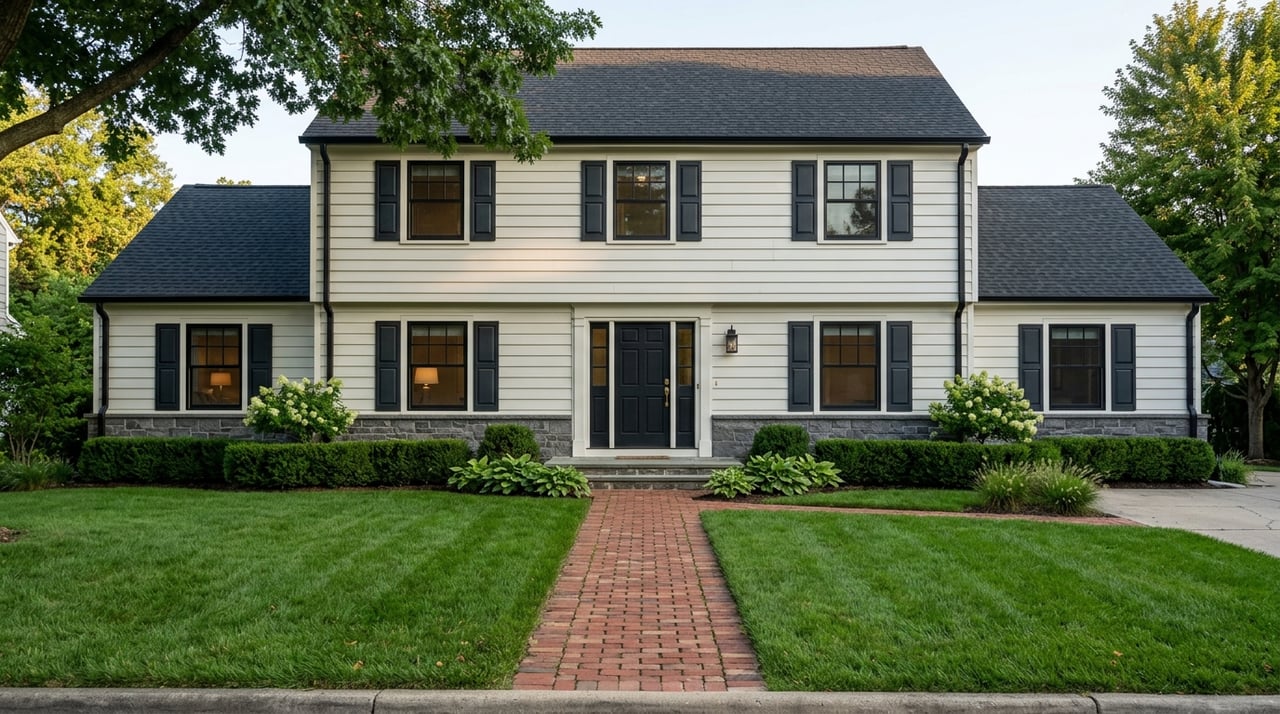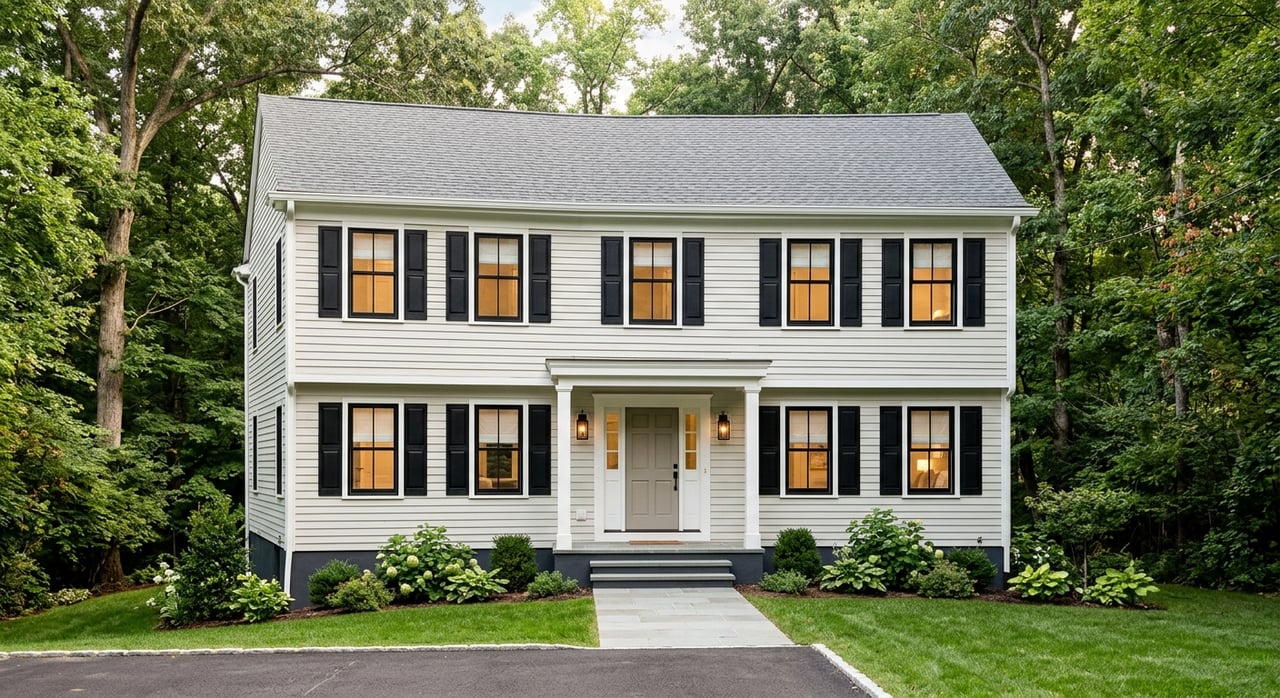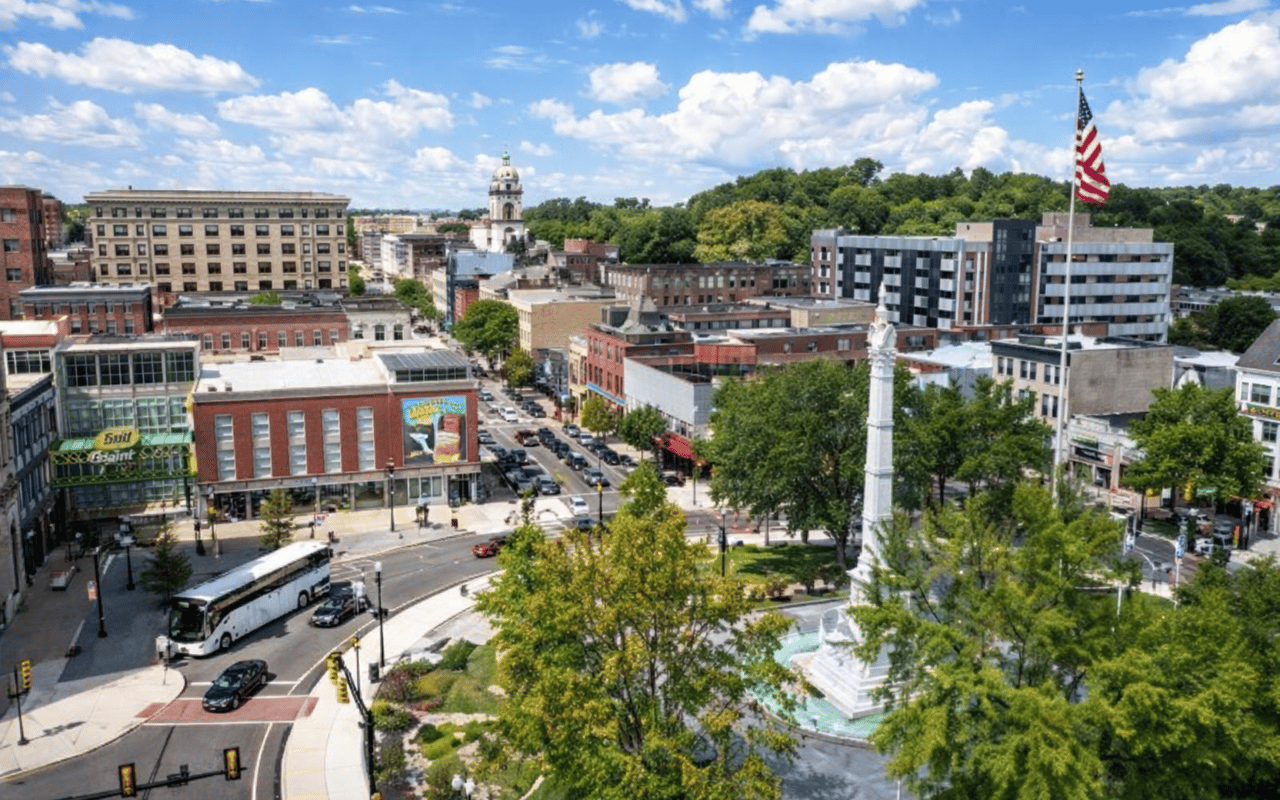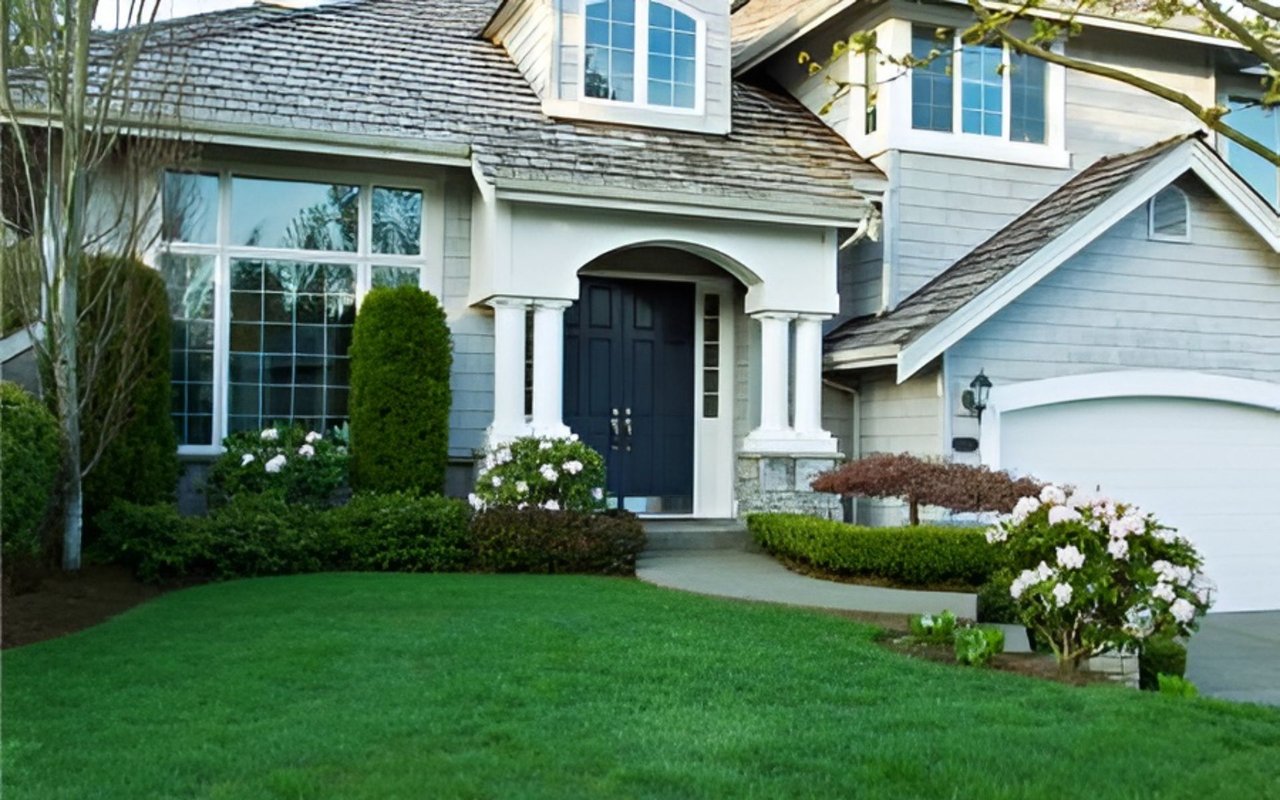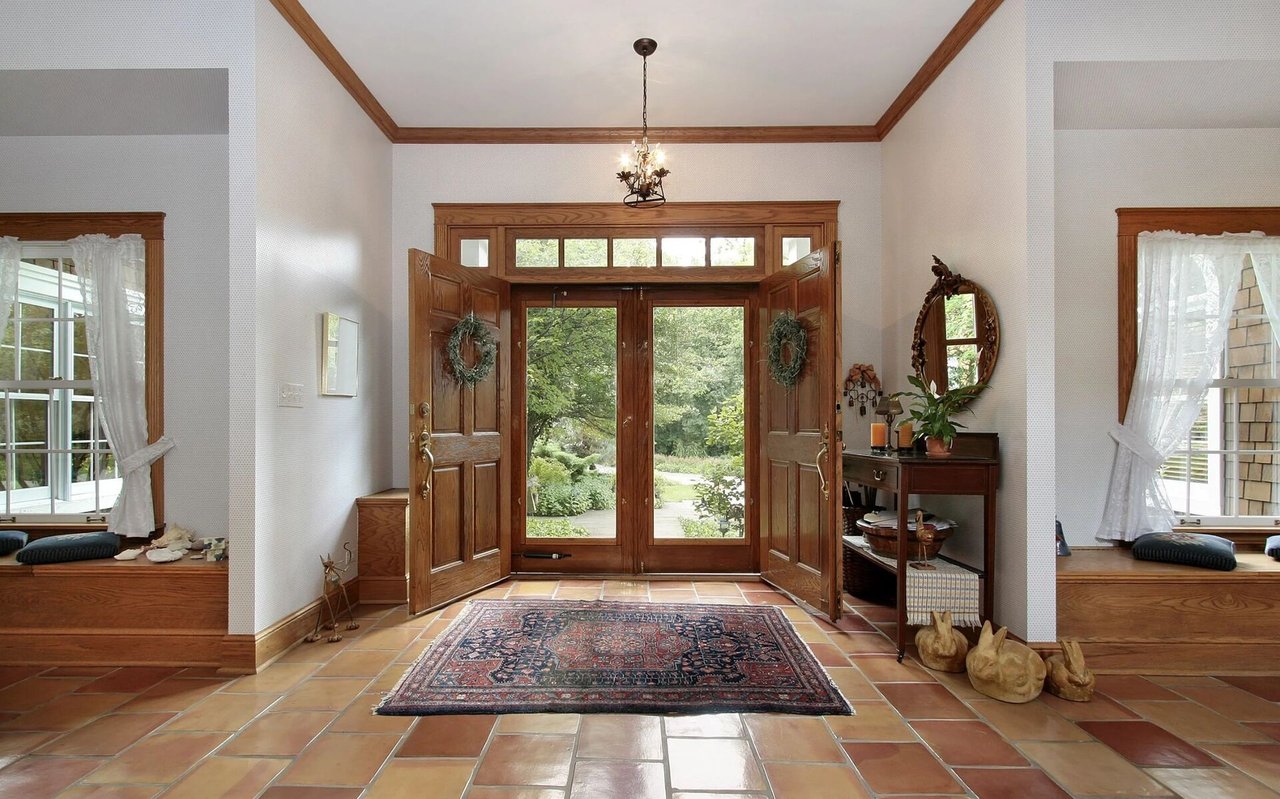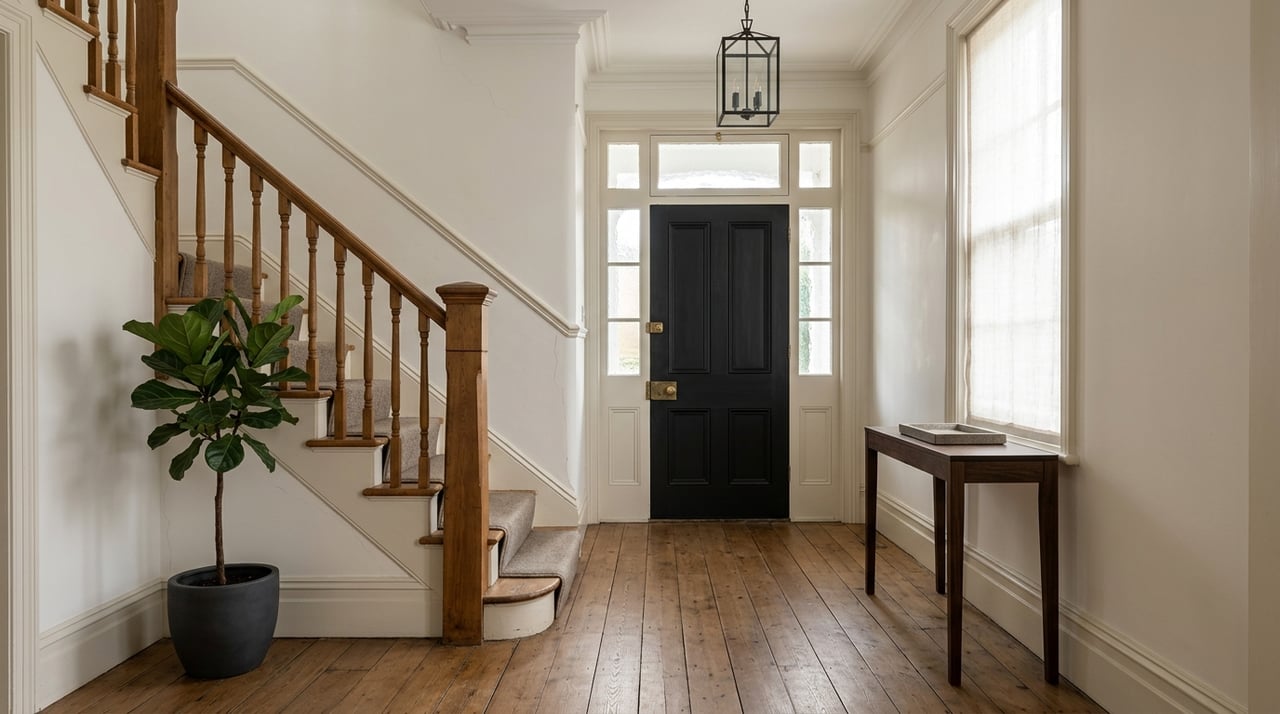
Dreaming about original woodwork, brick facades, and a front door with real history behind it? Buying a historic home in Easton can be exciting, but it also comes with a different set of questions than buying a newer property. If you are considering one of Easton’s older homes, it helps to understand local rules, inspection priorities, renovation timing, and what ongoing care may look like. Let’s dive in.
Why Easton historic homes stand out
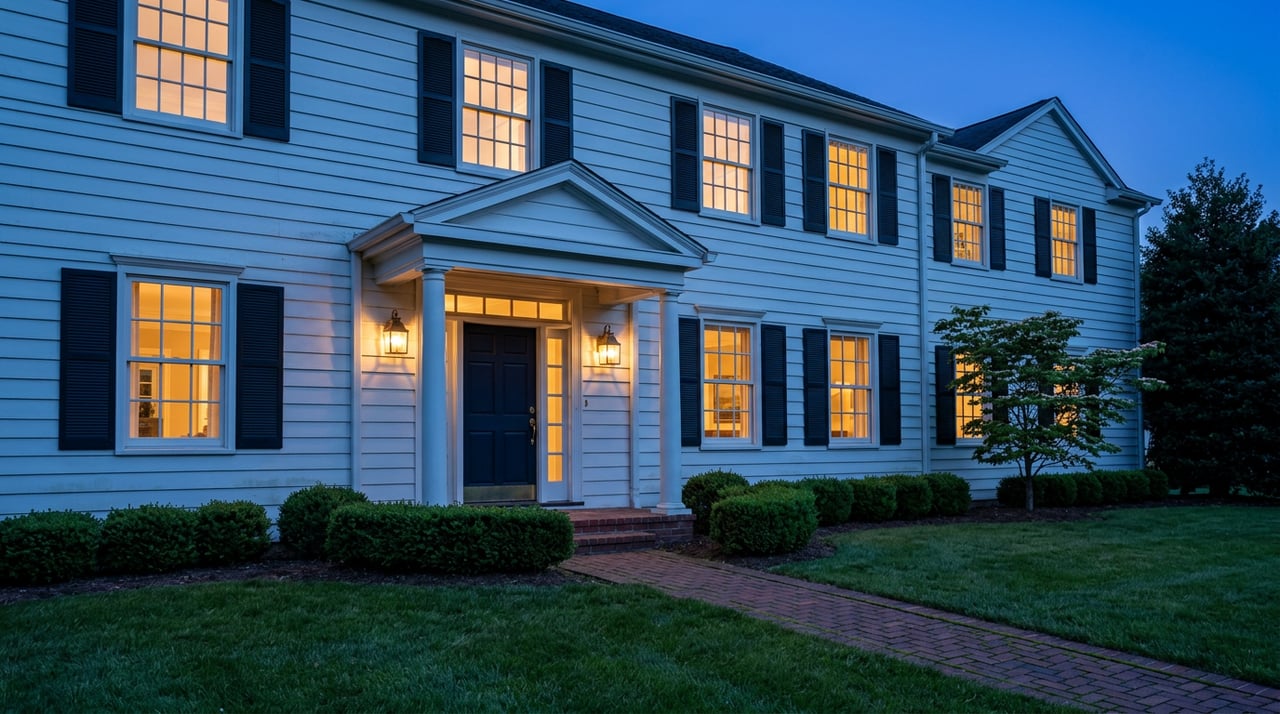
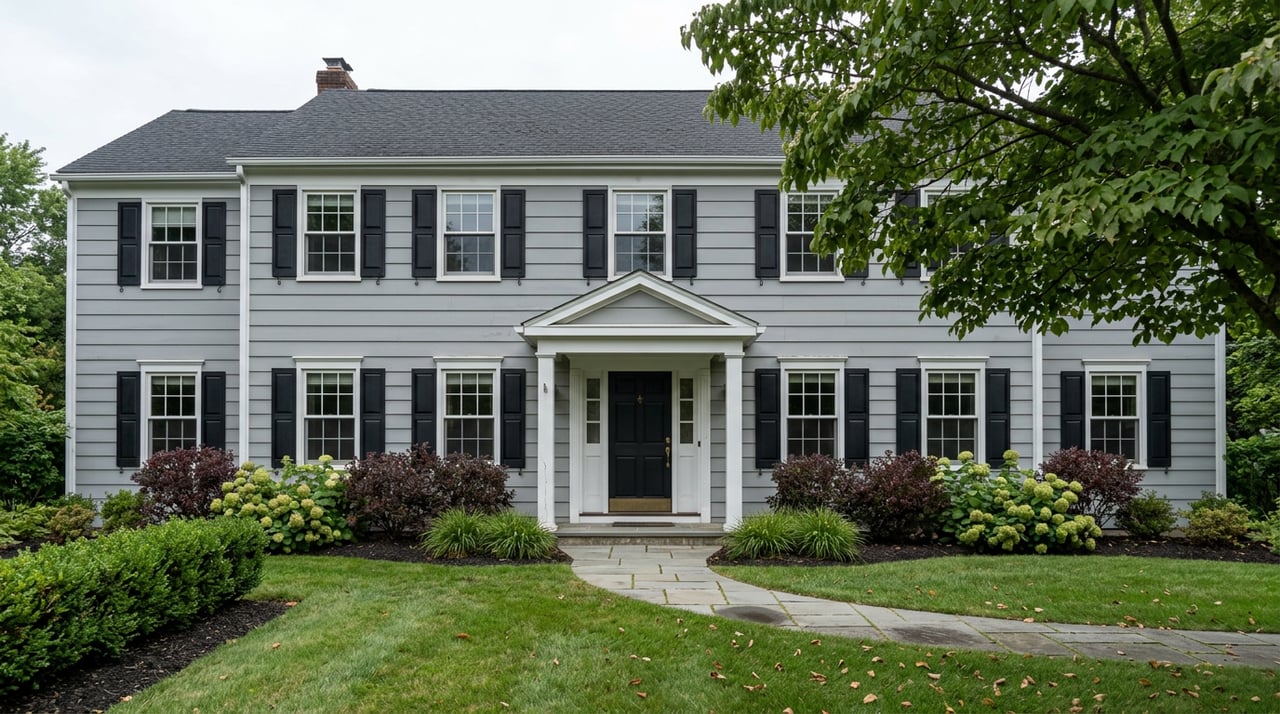
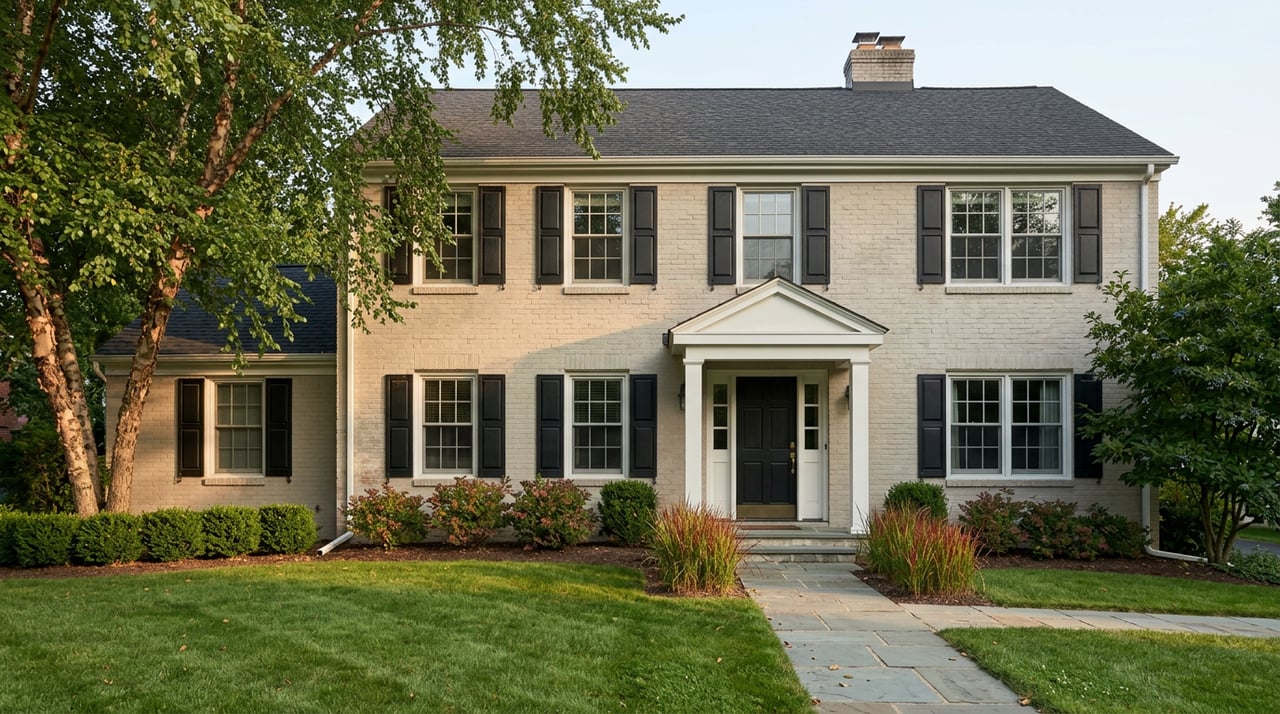
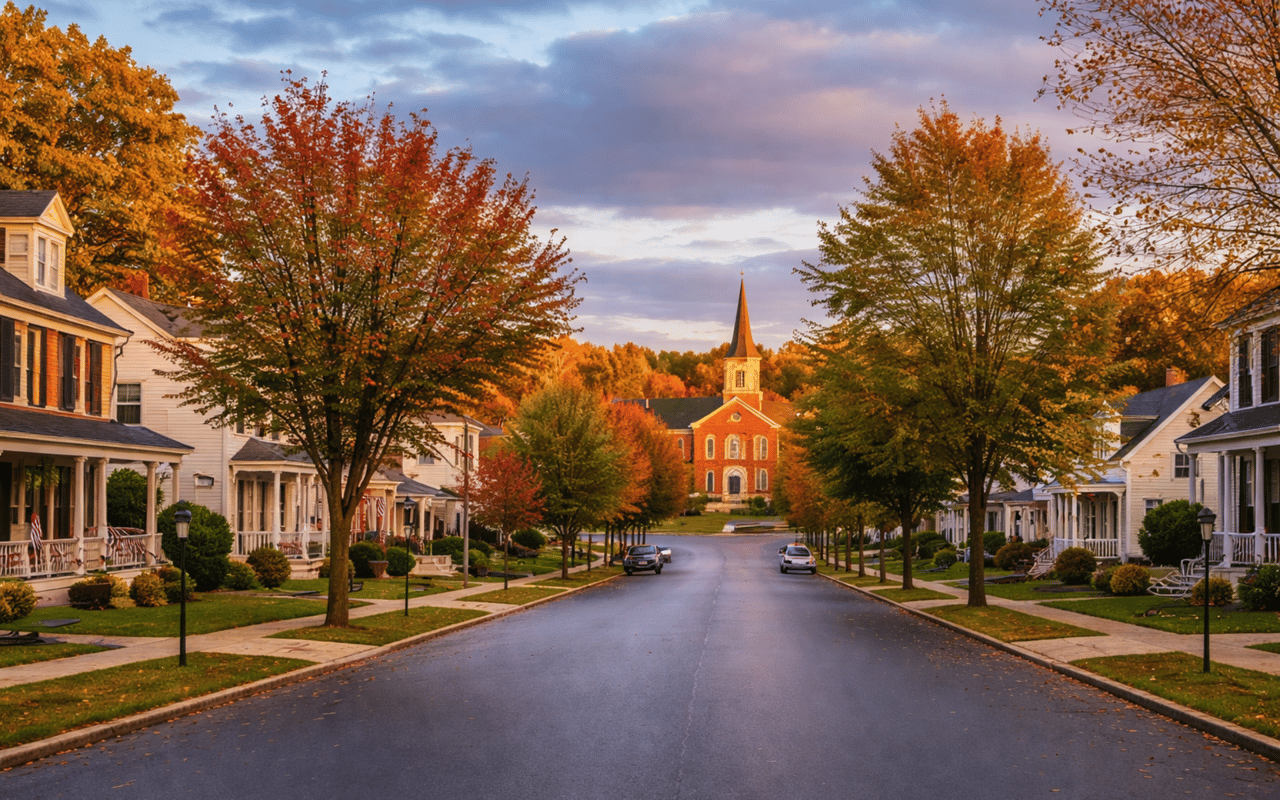
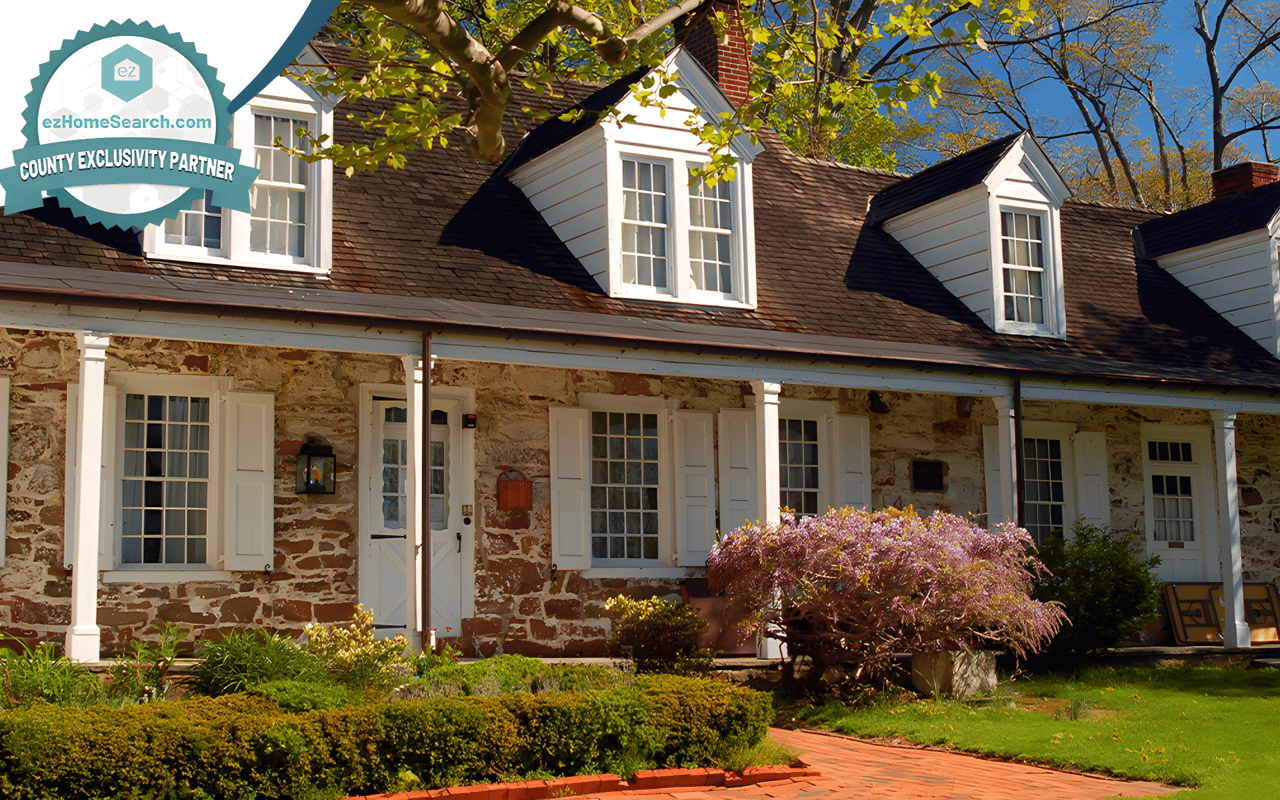
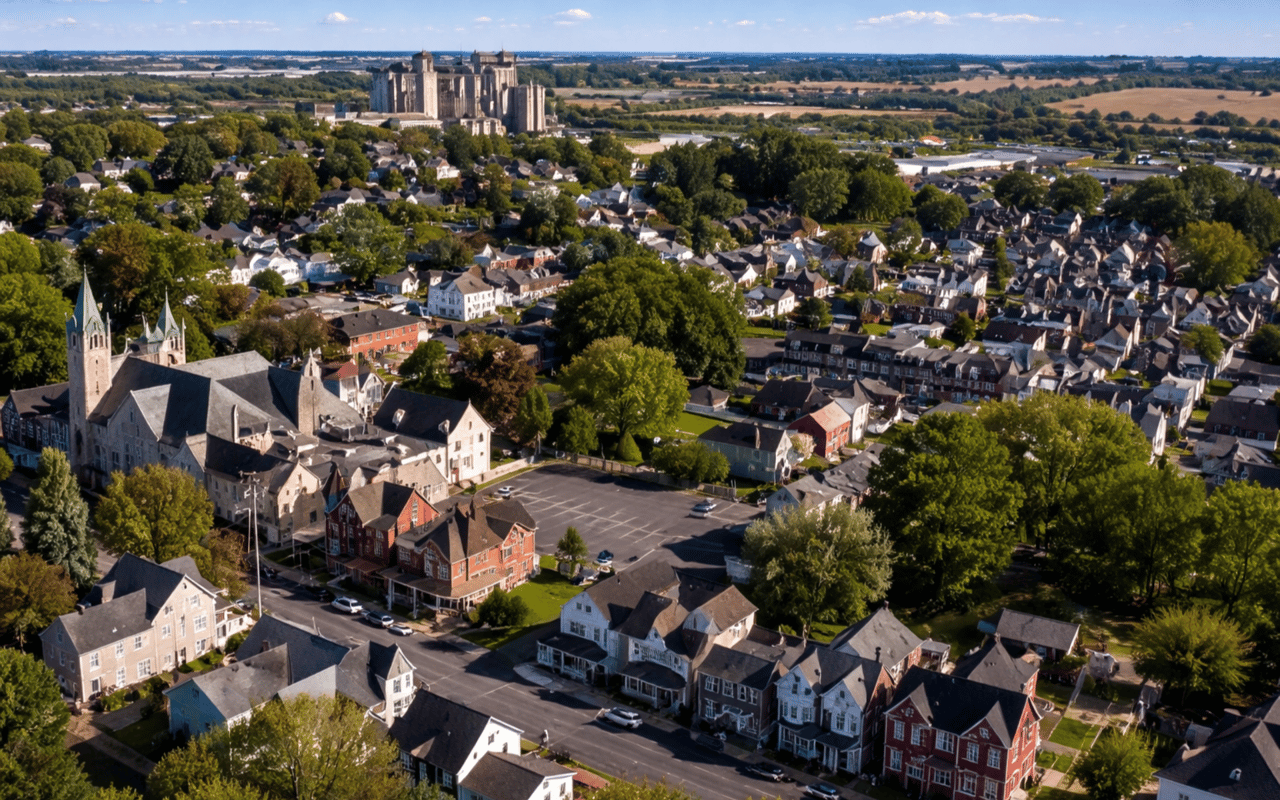
Easton is known for its historic downtown district and architecturally rich neighborhoods. That character is a big part of the appeal for buyers who want details and craftsmanship that are harder to find in newer construction.
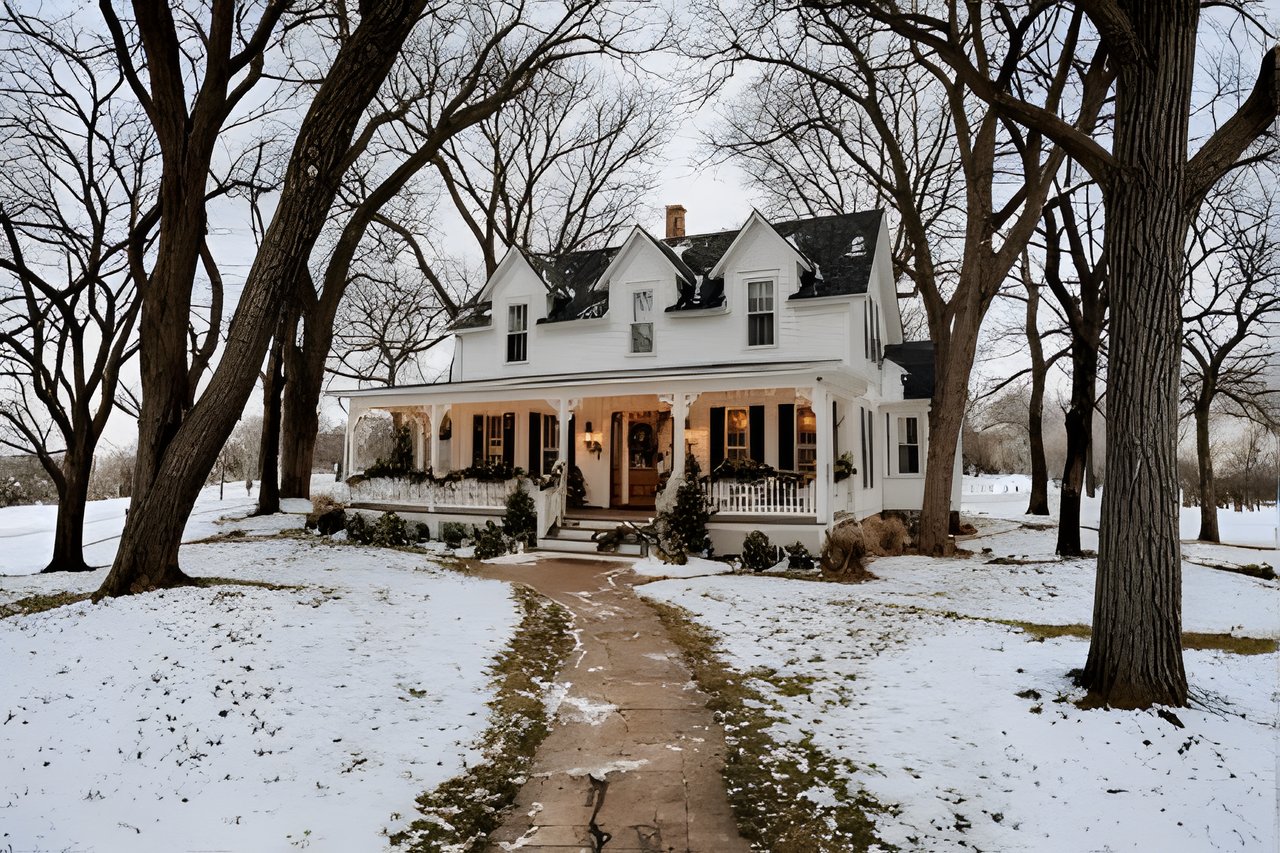
You may see homes with older masonry, wood windows, original porches, plaster walls, and distinctive trim. These features can add charm and long-term value, but they also deserve careful attention before you buy.
Know the difference between local and national historic status
One of the most important things to understand is that not all historic designations work the same way. A home may be associated with historic significance, but the practical rules for your purchase often come down to local regulation.
In Easton, the key question is whether the property is inside the city’s Local Historic District. Easton’s ordinance says exterior renovation or alteration visible from a street, sidewalk, or other public way requires a Certificate of Appropriateness.
That means if you plan to change something visible from the public, such as windows, doors, roofing, siding, or porch details, local review may apply. Easton also advises owners to contact Planning and Codes before contracting for work or buying materials.
By contrast, National Register listing alone generally does not create federal restrictions for a private owner. For most buyers, that means local district status matters more than a federal historic label when planning future exterior updates.
Confirm district status before you buy
If you love an older home in Easton, confirm early whether the parcel is inside the Local Historic District. This is not something to leave until after inspections are complete or renovation plans are underway.
Knowing the district status helps you make better decisions about your budget, timeline, and expectations. It can also prevent frustration if you assume a project will be simple and later learn it needs review first.
A good plan is to ask about district status as soon as the home is on your shortlist. If you are already thinking about exterior repairs or upgrades, that early step can save time and help you prepare realistically.
Inspect the home with older construction in mind
A historic home inspection should go beyond the usual checklist. Older homes often have solid craftsmanship, but they can also have age-related issues that need a closer look.
Pay special attention to these areas:
- Roof condition
- Chimney condition
- Exterior walls and masonry
- Porches and steps
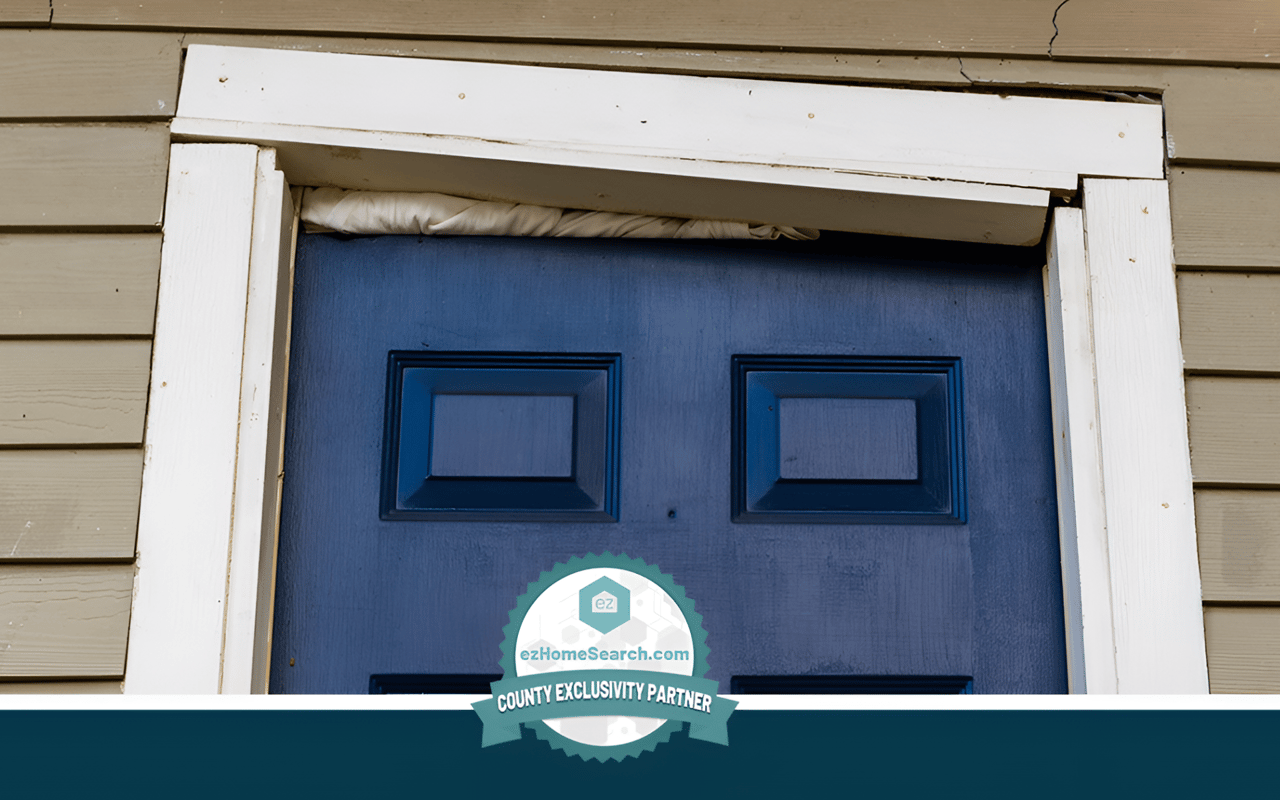
- Windows and doors
- Foundation
- Fireplaces
- Attics and basements
- Heating system
- Hot water system
- Electrical system
Water is one of the biggest things to watch for. Signs of water damage around floors, basements, roofing, and foundations can point to bigger maintenance concerns if they have been left unresolved.
If original windows are still in place, they deserve a careful evaluation rather than an automatic replacement plan. If replacement windows were installed in the past, it is worth checking whether they fit the house appropriately and function well.
Focus on repair before replacement
Historic homes often respond best to a repair-first mindset. Preservation guidance generally emphasizes keeping the building’s existing form, materials, and features whenever possible.
That means items like wood windows, masonry, roofs, porches, and plaster may be better candidates for thoughtful repair than full replacement. When parts are too deteriorated to save, matching the original material and look as closely as possible is often the better path.
This matters for two reasons. First, it helps preserve the character that drew you to the home in the first place. Second, if the property is in Easton’s Local Historic District, exterior changes may need to meet local review standards.
Plan for routine maintenance, not just big projects
Many buyers focus on renovation costs, but historic homes are often more about steady upkeep than dramatic overhauls. Regular inspections and seasonal maintenance can help you avoid larger and more expensive repairs later.
Older buildings can deteriorate faster when the exterior envelope is not maintained. Small issues like moisture intrusion, damaged mortar, failing paint, or roof wear can lead to bigger problems if they are ignored.
As a homeowner, it helps to keep written records of work completed, monitor trouble spots, and stay ahead of minor repairs. In many cases, consistent maintenance is far less costly than replacing historic features after years of deferred care.
Understand lead paint rules for older homes
If the home was built before 1978, lead-based paint should be part of your planning. In most pre-1978 housing, buyers should expect lead-based-paint disclosure documents before signing.
You also have the right to know about any known lead hazards. If you later hire contractors to disturb painted surfaces in a pre-1978 home, those paid contractors must be certified and trained in lead-safe work practices.
This does not mean you should avoid an older home. It means you should go in prepared, ask the right questions, and work with professionals who understand how to handle renovation safely.
Build review timing into your calendar
Historic-home purchases can involve an extra layer of timing if you plan exterior work soon after closing. In Easton, the Historic District Commission meets monthly, and application deadlines are set for the last Monday of the previous month at noon.
That schedule matters if your plans include visible exterior updates. Waiting until the last minute could delay your project, especially if you were hoping to order materials or start work right after settlement.
If you are making an offer on a home that clearly needs exterior attention, it is smart to think about review timing during the inspection and due diligence period. A little planning upfront can help you avoid expensive scheduling surprises later.
Be realistic about financing and tax credits
Buyers sometimes assume all historic homes come with tax advantages, but that is not usually the case for an owner-occupied residence. The federal 20% historic preservation tax credit applies to certified historic structures that are depreciable and used for business or other income-producing purposes.
For most people buying a historic home as a primary residence in Easton, that credit does not apply. It is better to know that upfront than to build your budget around a benefit you may not be able to use.
If the home needs work, a more practical financing option may be FHA’s 203(k) program. HUD says this program can combine the purchase or refinance of a home that is at least one year old with approved rehabilitation costs in a single mortgage, with different versions for major and smaller repairs.
Think carefully about comfort and energy updates
Historic homes can still be comfortable and efficient, but upgrades should fit the building. Many older homes were designed with useful features such as operable windows, natural light, wide eaves, and heavy masonry walls.
At the same time, common efficiency issues may include air leaks around windows and doors, plus insulation concerns in attics and walls. That does not automatically mean full replacement is the best answer.
Historic windows and doors can often be repaired or upgraded, and storm windows may improve performance. Replacement windows do not usually pay for themselves quickly, so it is wise to evaluate costs, performance, and the home’s character before making a big change.
Assemble the right team early
Buying a historic home in Easton is much easier when you have the right professionals around you from the start. Older properties reward careful planning and informed decisions.
A strong buyer team may include:
- An inspector with experience in older construction
- A contractor who understands preservation-sensitive work
- A contractor who follows lead-safe practices when needed
- A real estate team that can help confirm whether the property is inside Easton’s Local Historic District
That combination can help you understand what you are buying, what work may need local review, and how to plan your next steps with fewer surprises.
The bottom line for Easton buyers
A historic home in Easton can offer real character, strong curb appeal, and details you simply cannot recreate easily. The key is to buy with clear eyes, a realistic maintenance mindset, and a good understanding of local review rules.
When you know how district status, inspections, lead paint, financing, and project timing fit together, you can move forward with more confidence. The right preparation helps you enjoy the charm of an older home while protecting your budget and your plans.
If you are exploring historic homes in Easton and want clear guidance from a team that values preparation, communication, and follow-through, connect with The Cliff Lewis Experience.
FAQs
What should you check before buying a historic home in Easton?
- You should confirm whether the property is inside Easton’s Local Historic District, review the home’s condition carefully, and pay close attention to the roof, masonry, windows, porches, foundation, basement, attic, and major systems.
What does Easton’s Local Historic District mean for home improvements?
- If the property is in Easton’s Local Historic District, exterior renovation or alteration visible from a street, sidewalk, or other public way requires a Certificate of Appropriateness.
Does National Register listing restrict what you can do to a private home in Easton?
- National Register listing alone generally does not create federal restrictions for a private owner, so local Easton historic district rules are usually the more important factor for exterior work.
Do historic homes in Easton require special maintenance?
- Historic homes often benefit from regular inspections, seasonal upkeep, and prompt repairs because deferred maintenance can lead to more expensive deterioration over time.
What should buyers know about lead paint in older Easton homes?
- If the home was built before 1978, you should expect lead-based-paint disclosure documents and plan for certified lead-safe work practices when paid contractors disturb painted surfaces.
Are there tax credits for buying a historic home in Easton as your primary residence?
- The federal 20% historic preservation tax credit is generally for certified historic structures used in income-producing settings, not owner-occupied residential properties.
Can you finance repairs when buying an older home in Easton?
- FHA’s 203(k) program may help eligible buyers combine the home purchase and approved rehabilitation costs into one mortgage, depending on the scope of repairs.
How long can historic district approval take in Easton?
- Easton’s Historic District Commission meets monthly, and application deadlines are due by noon on the last Monday of the previous month, so buyers should factor review timing into renovation plans.