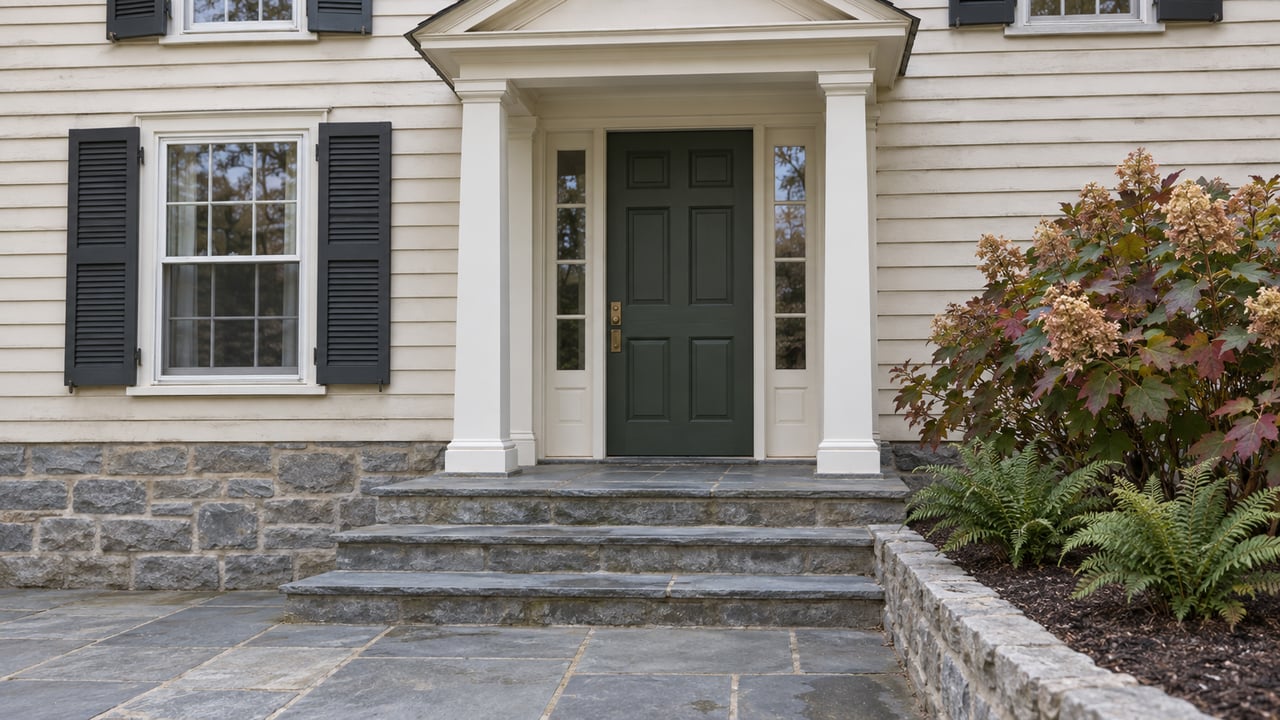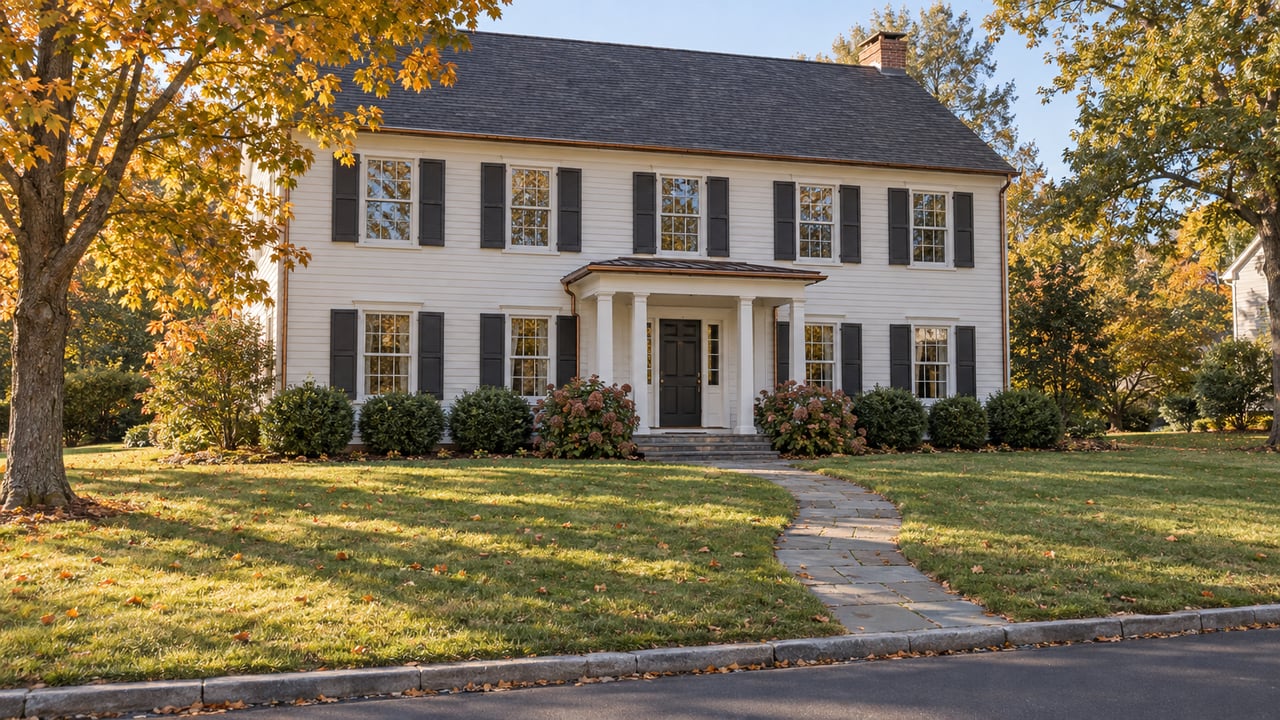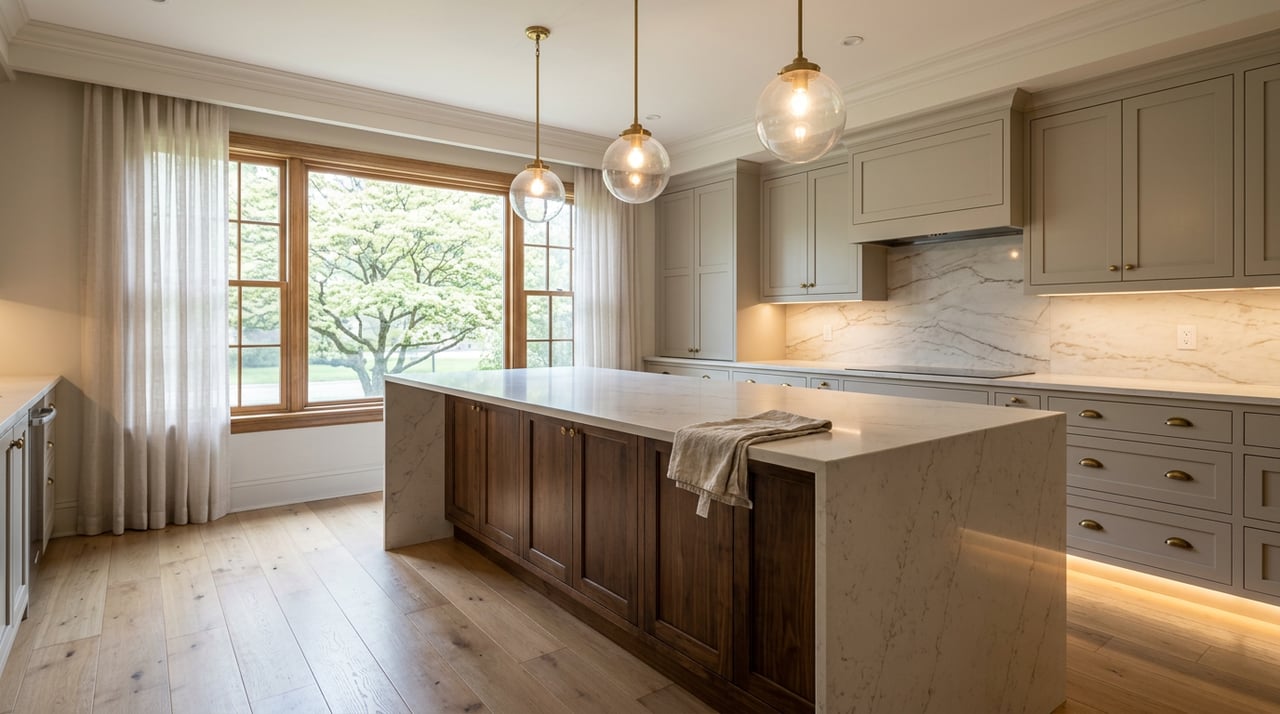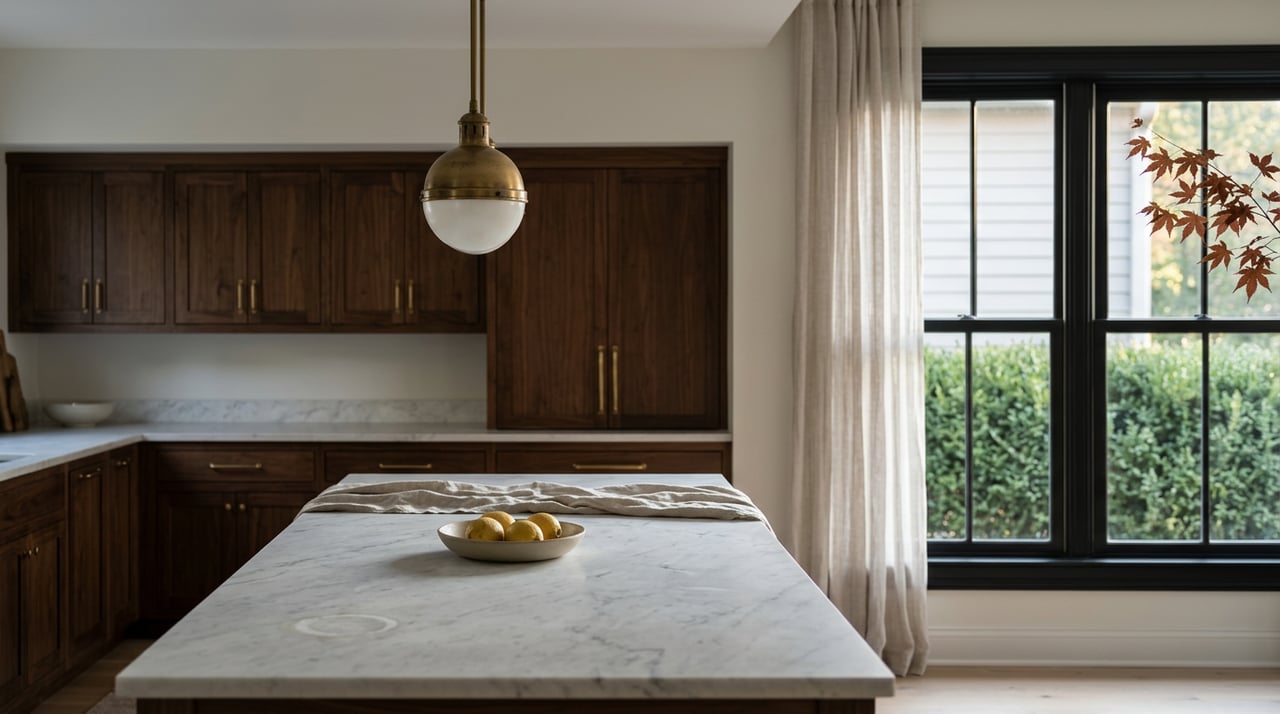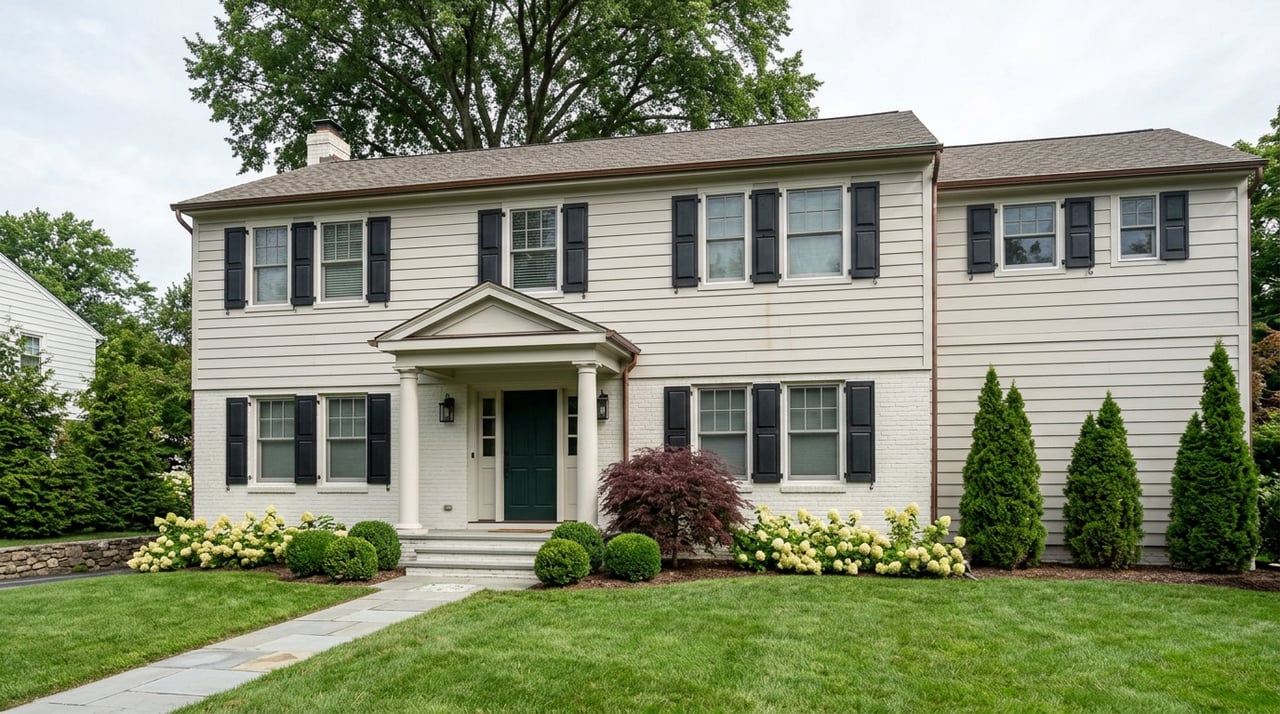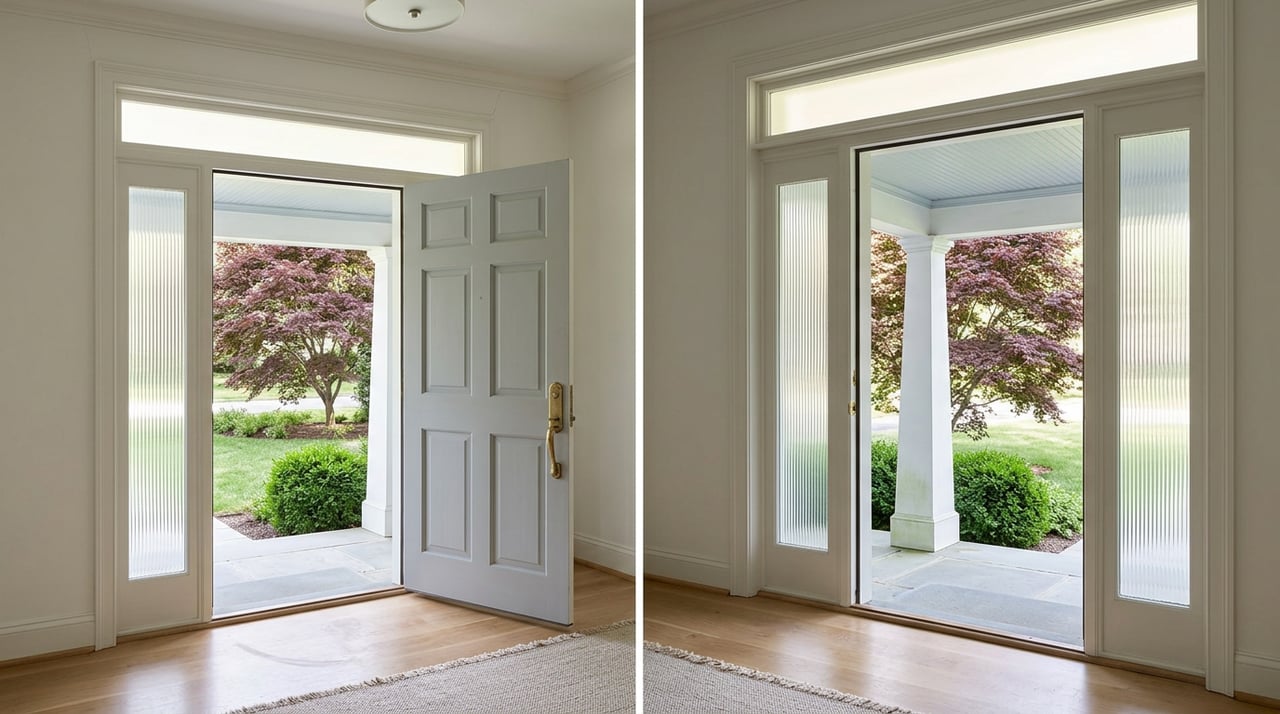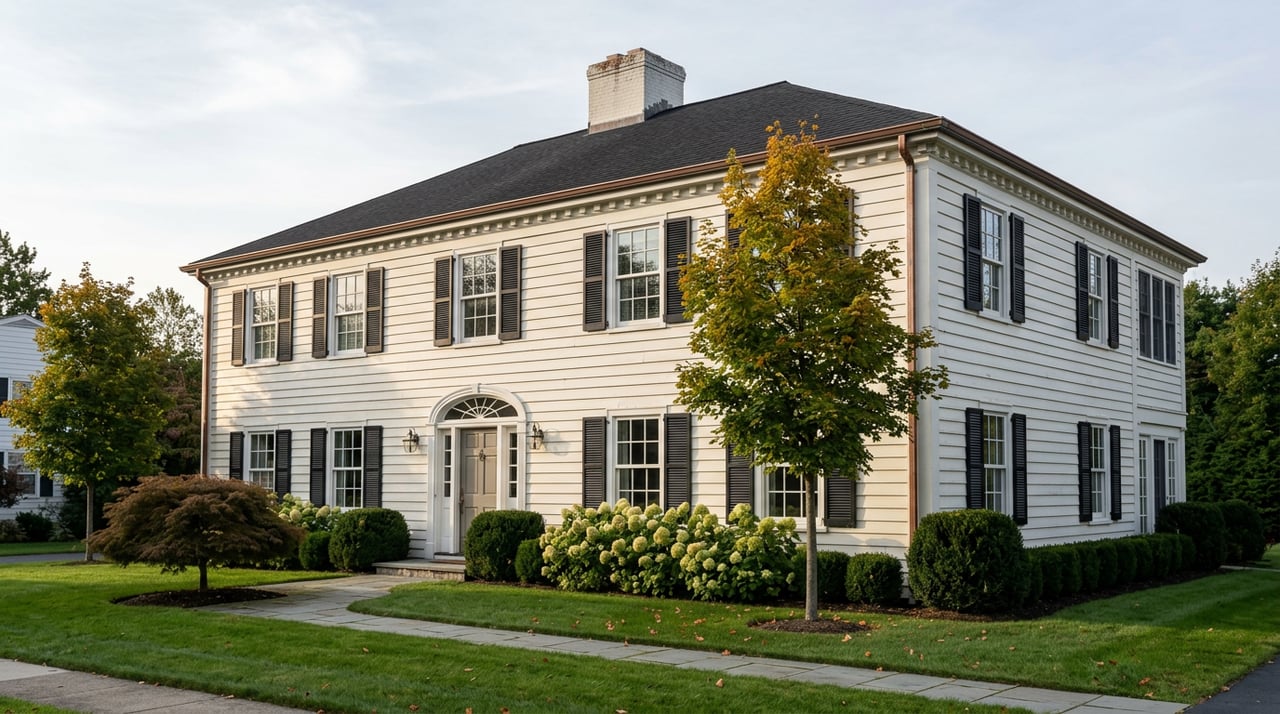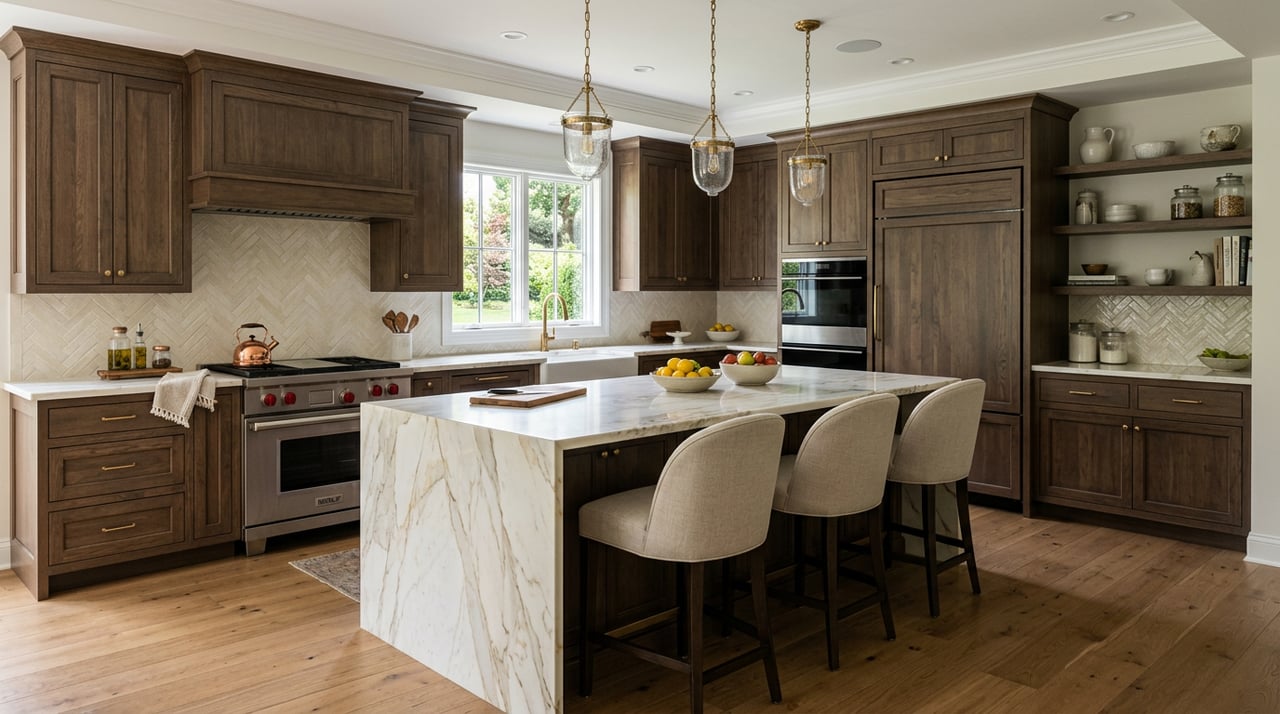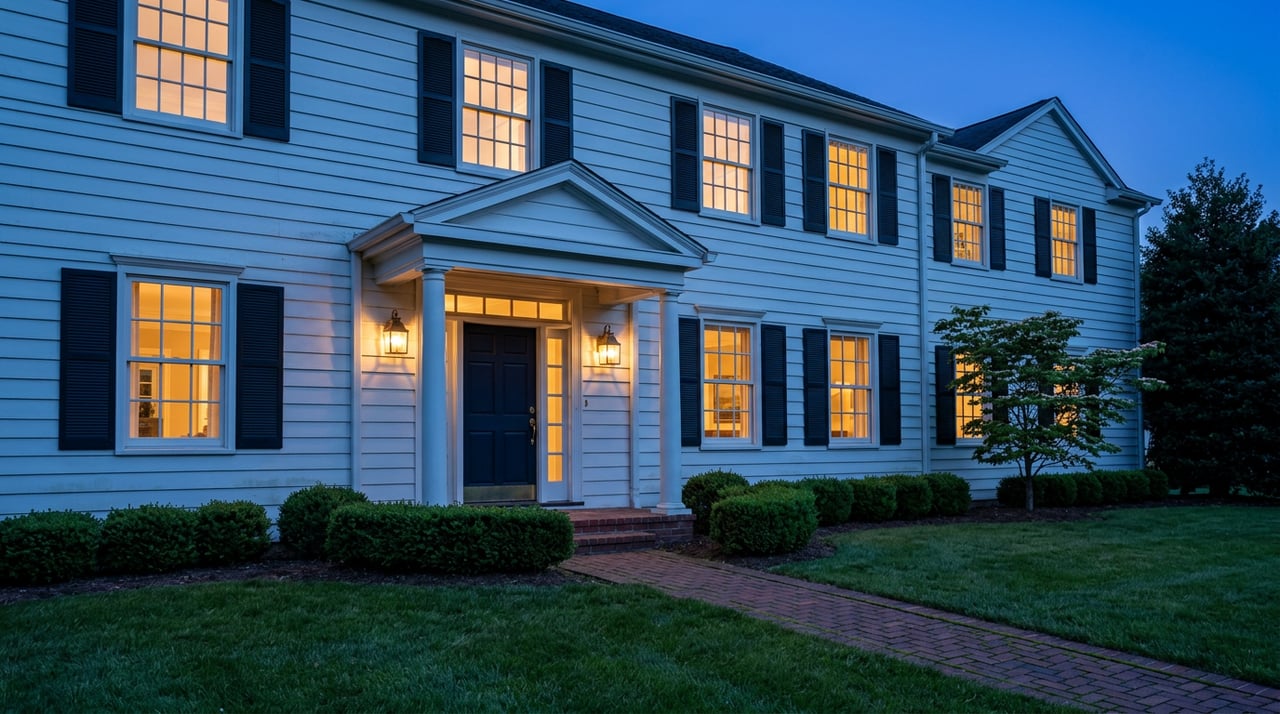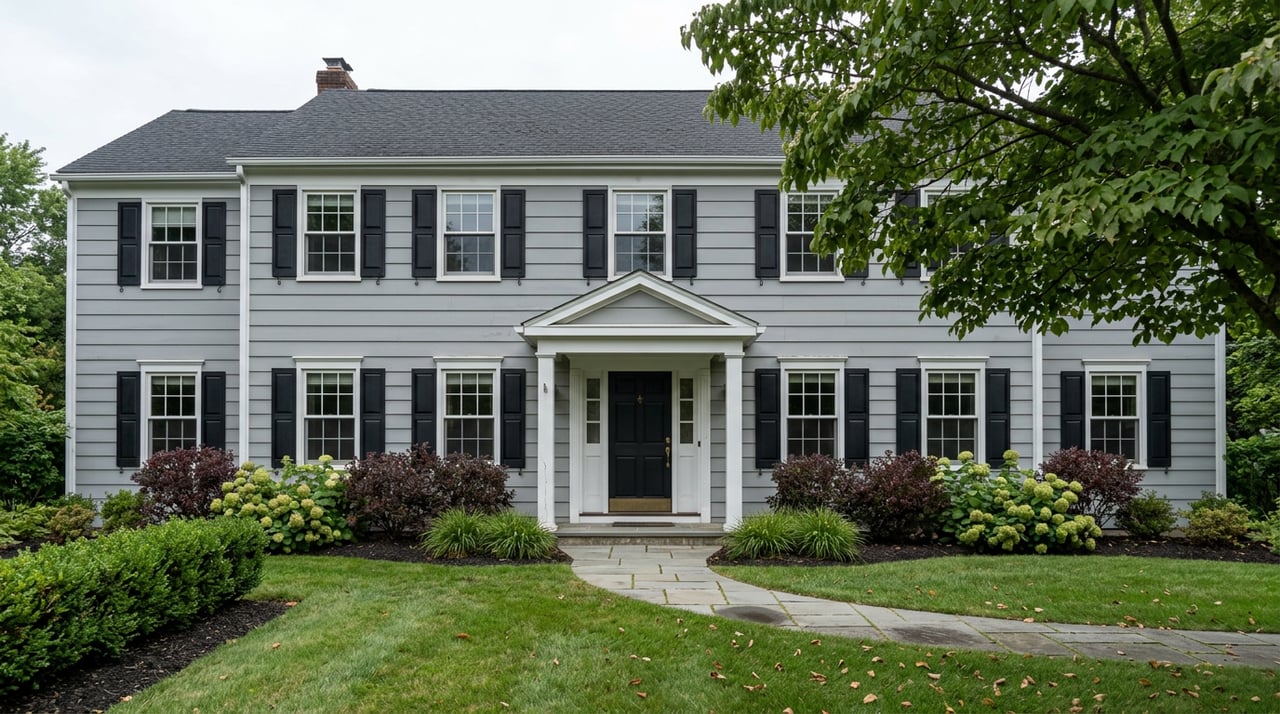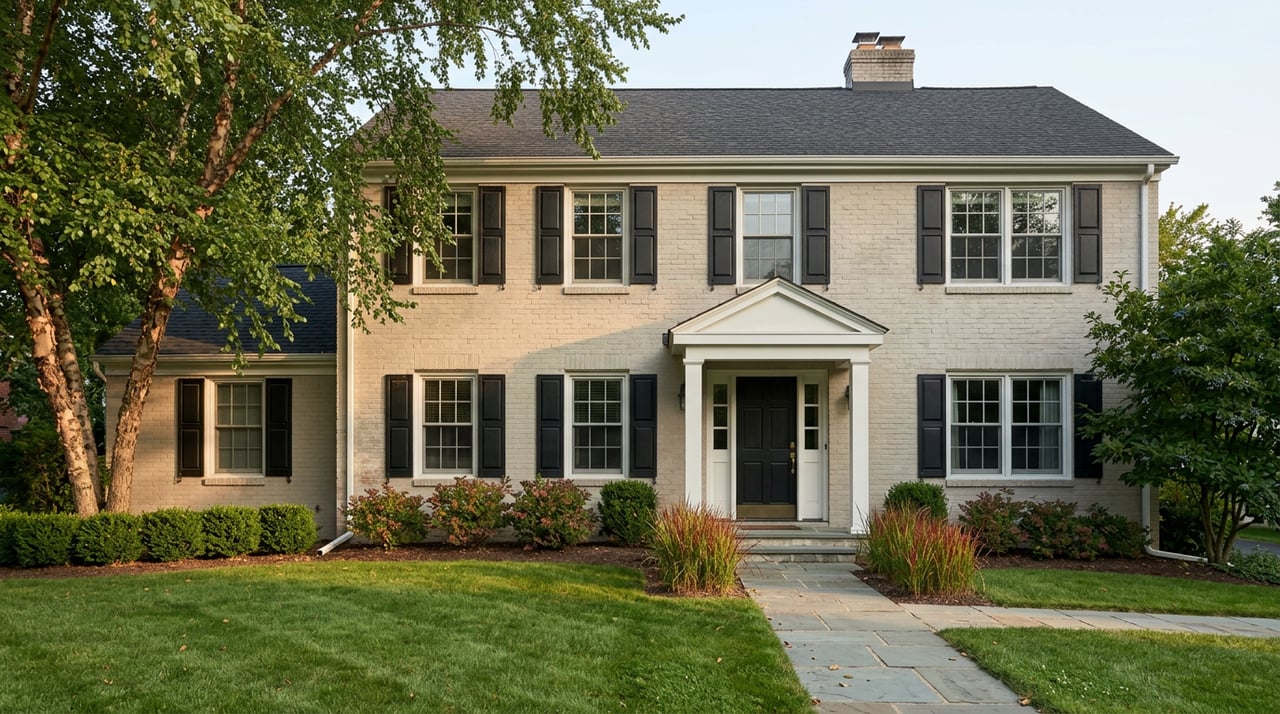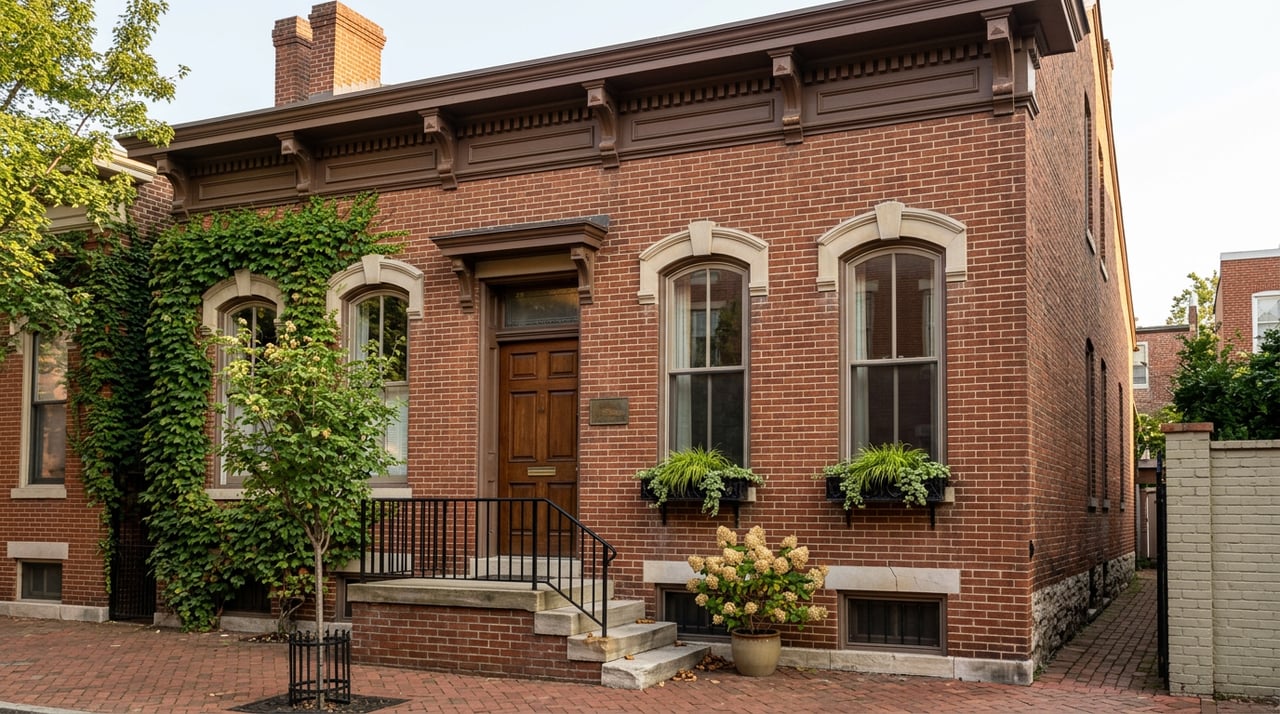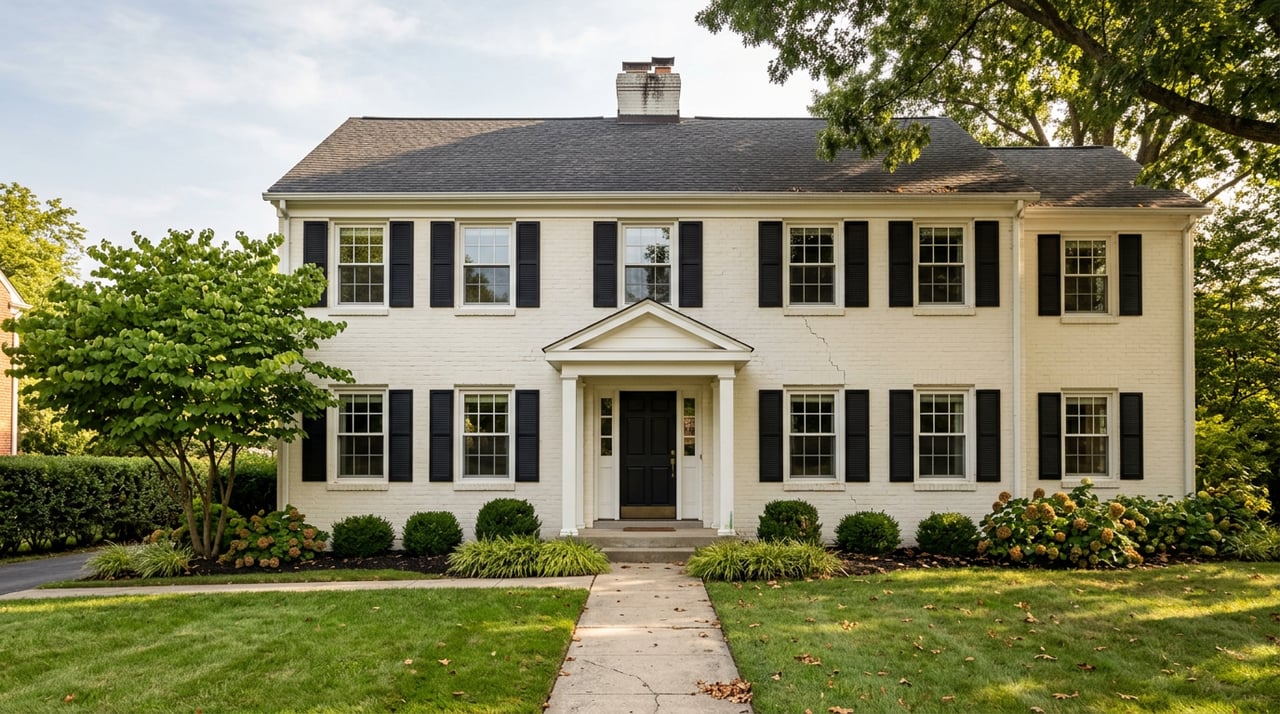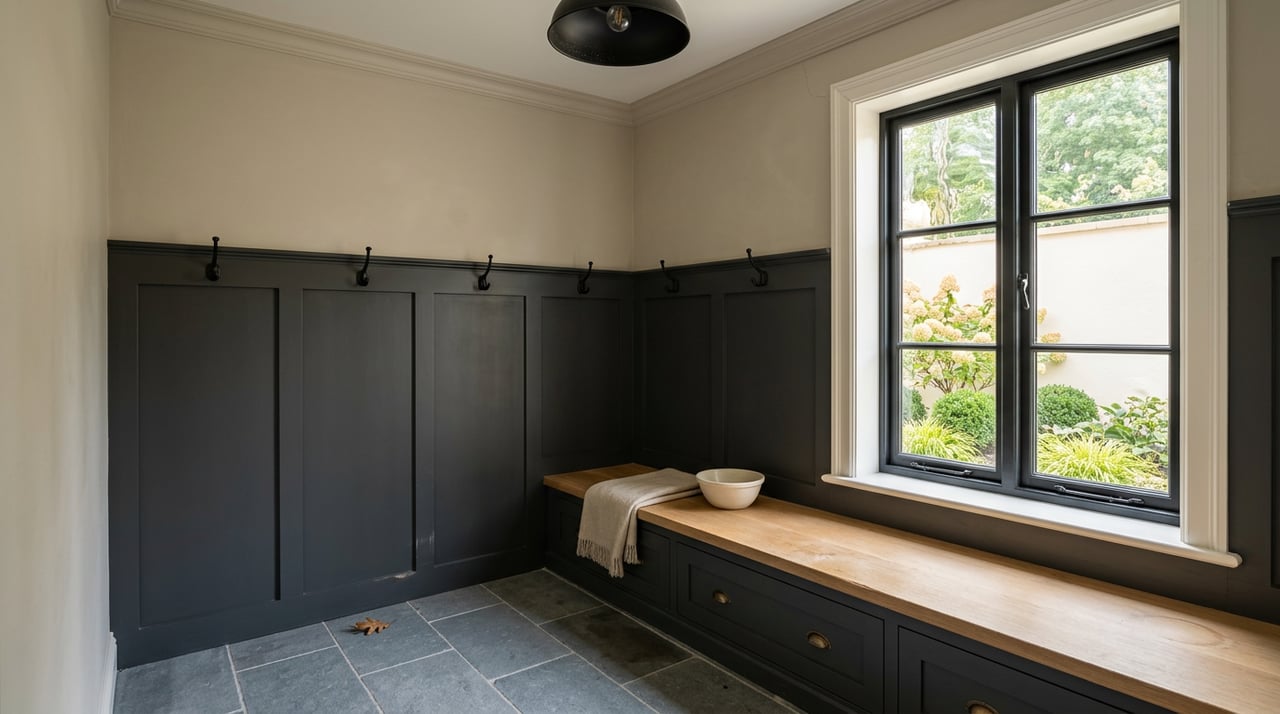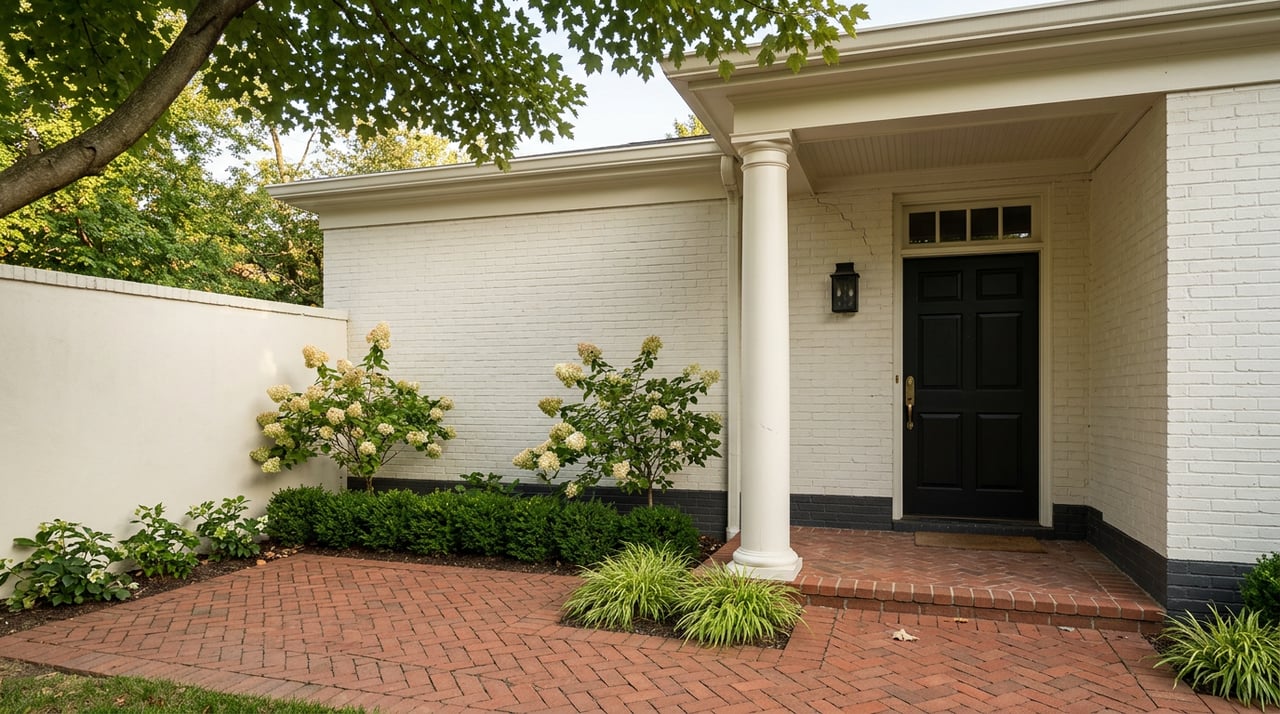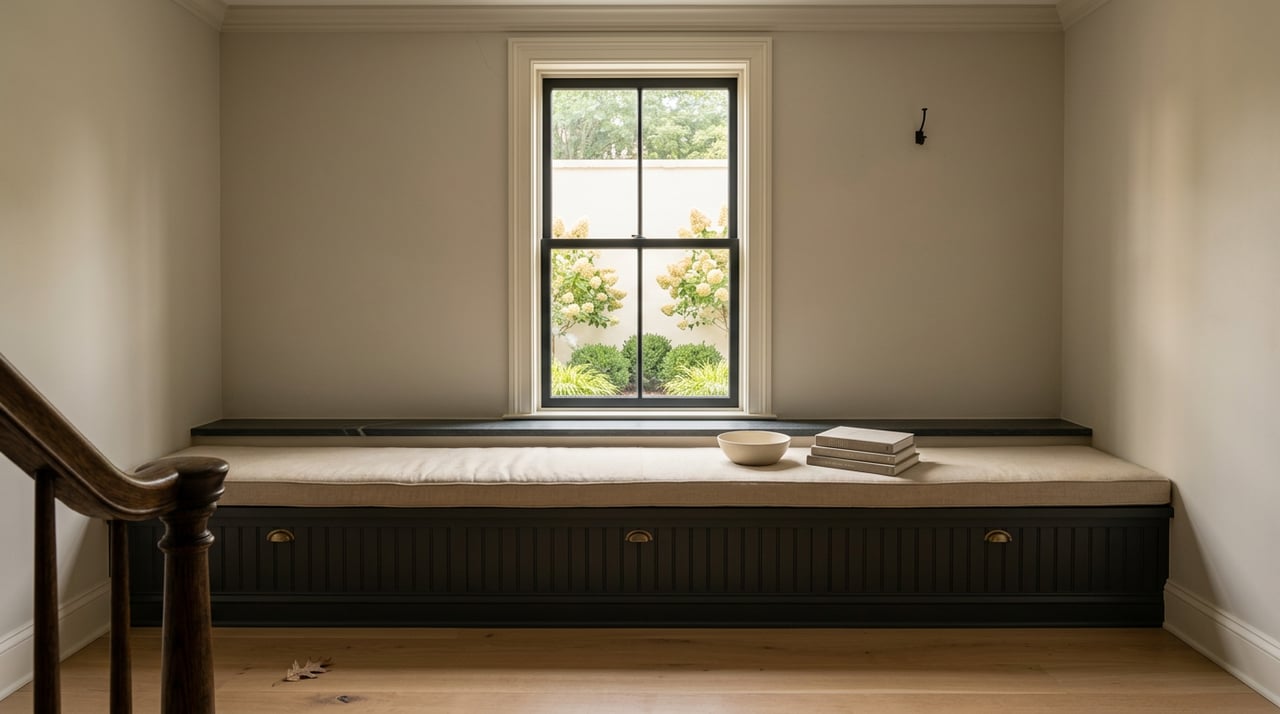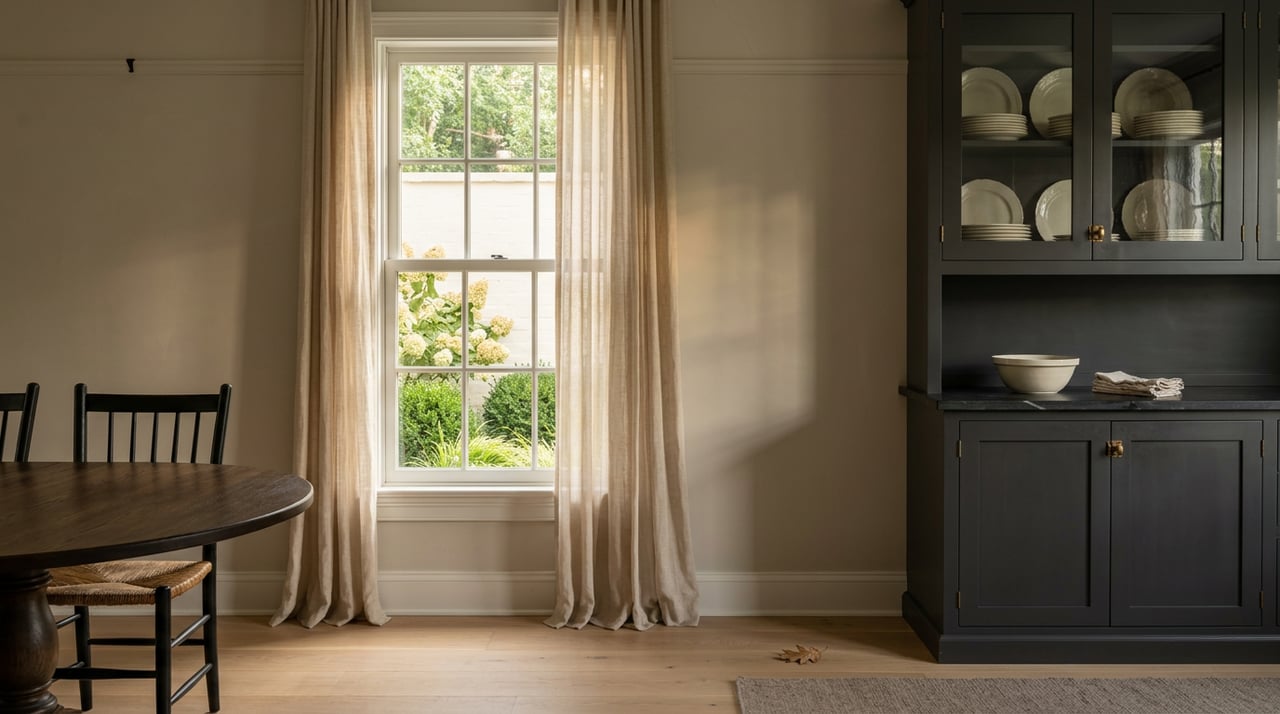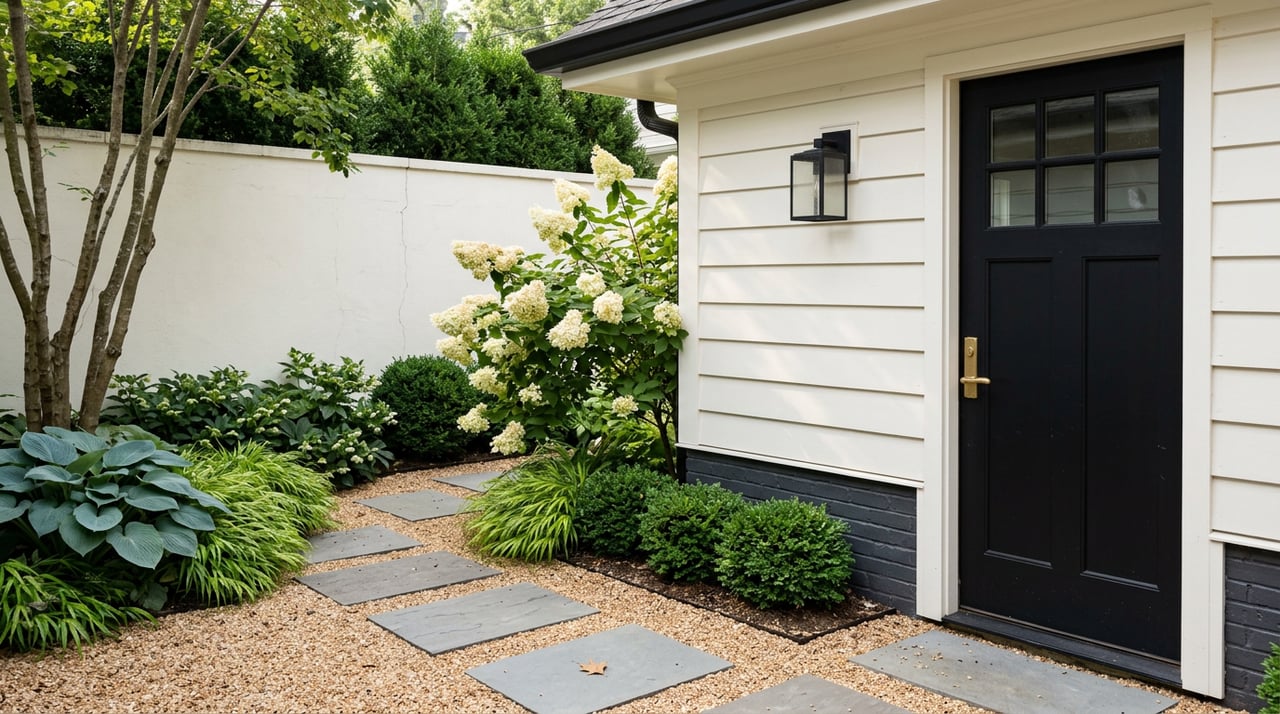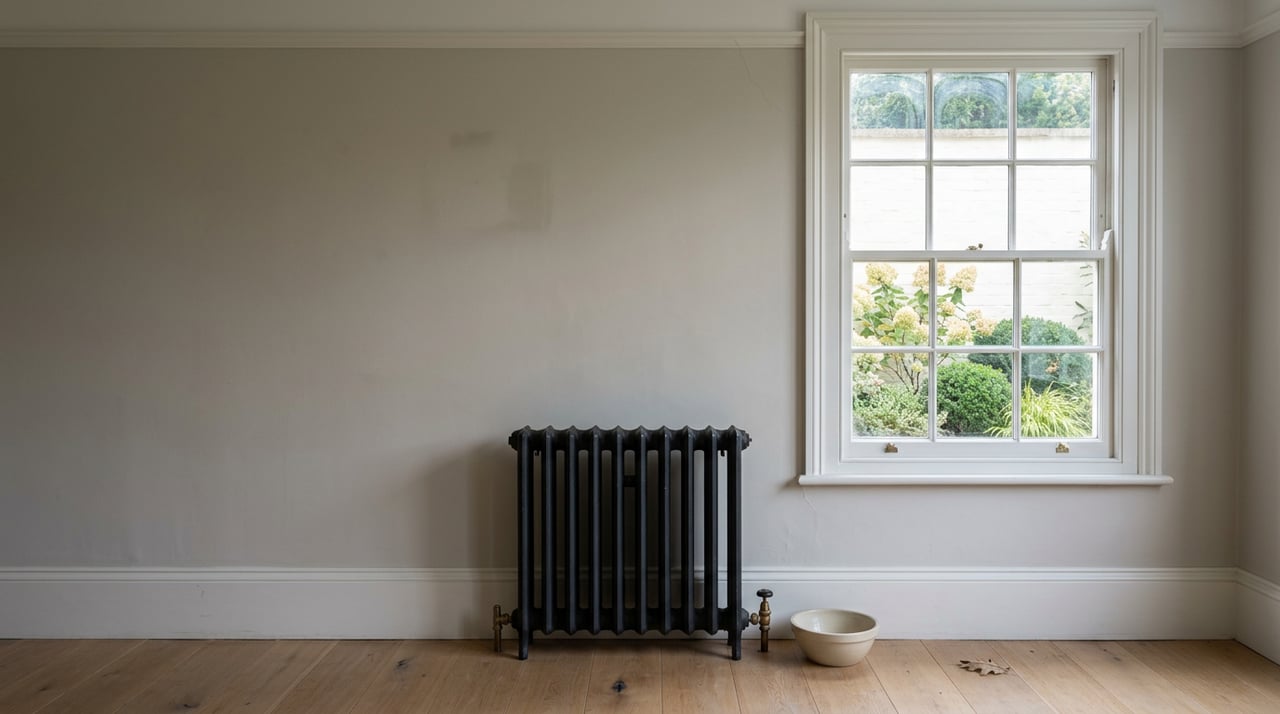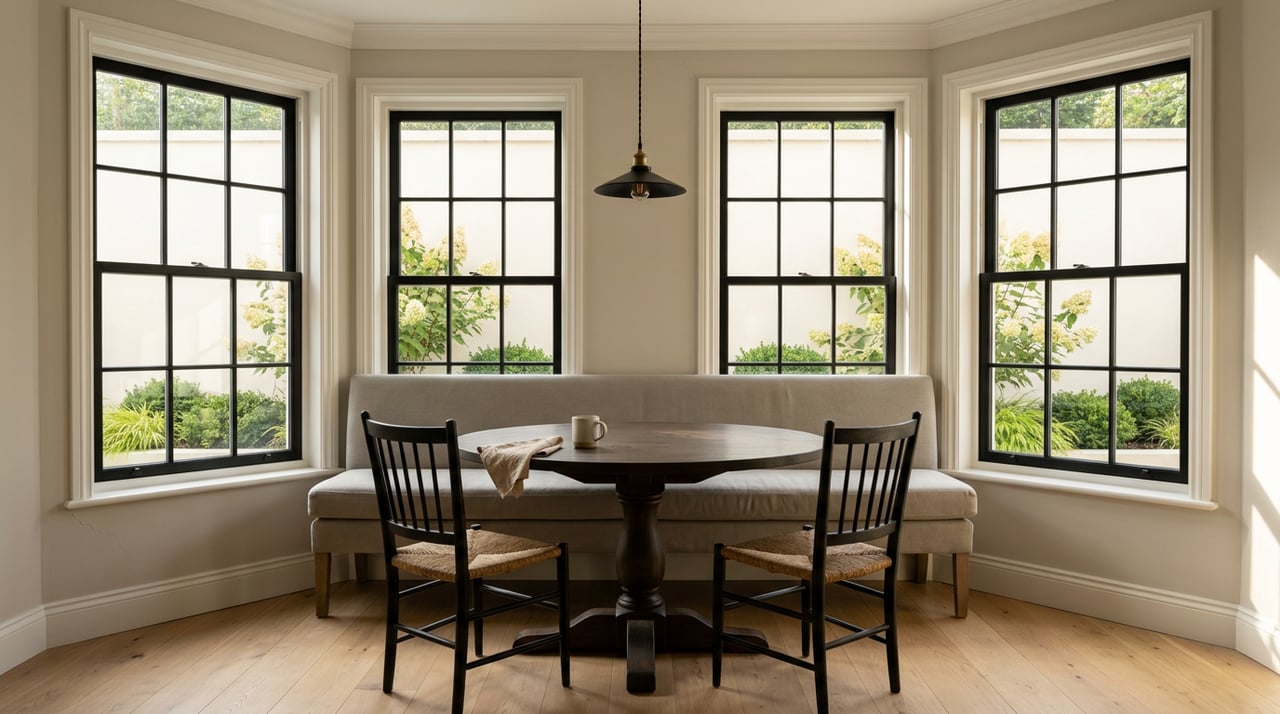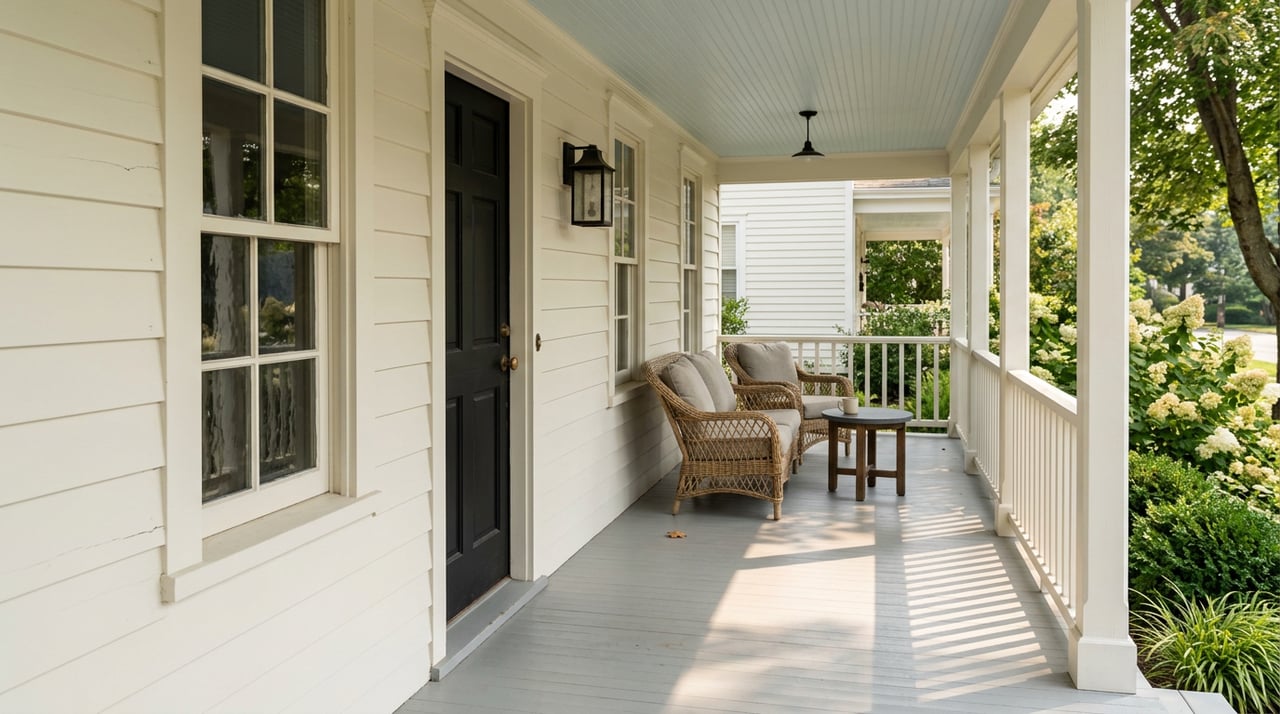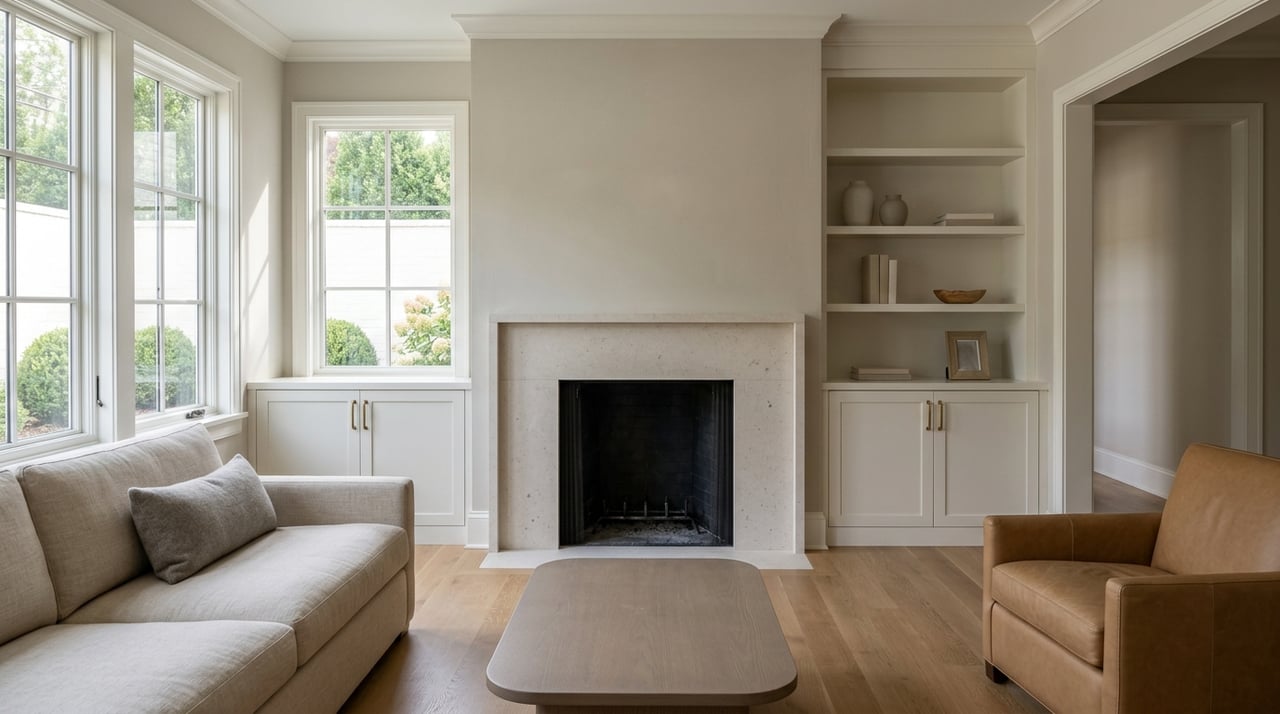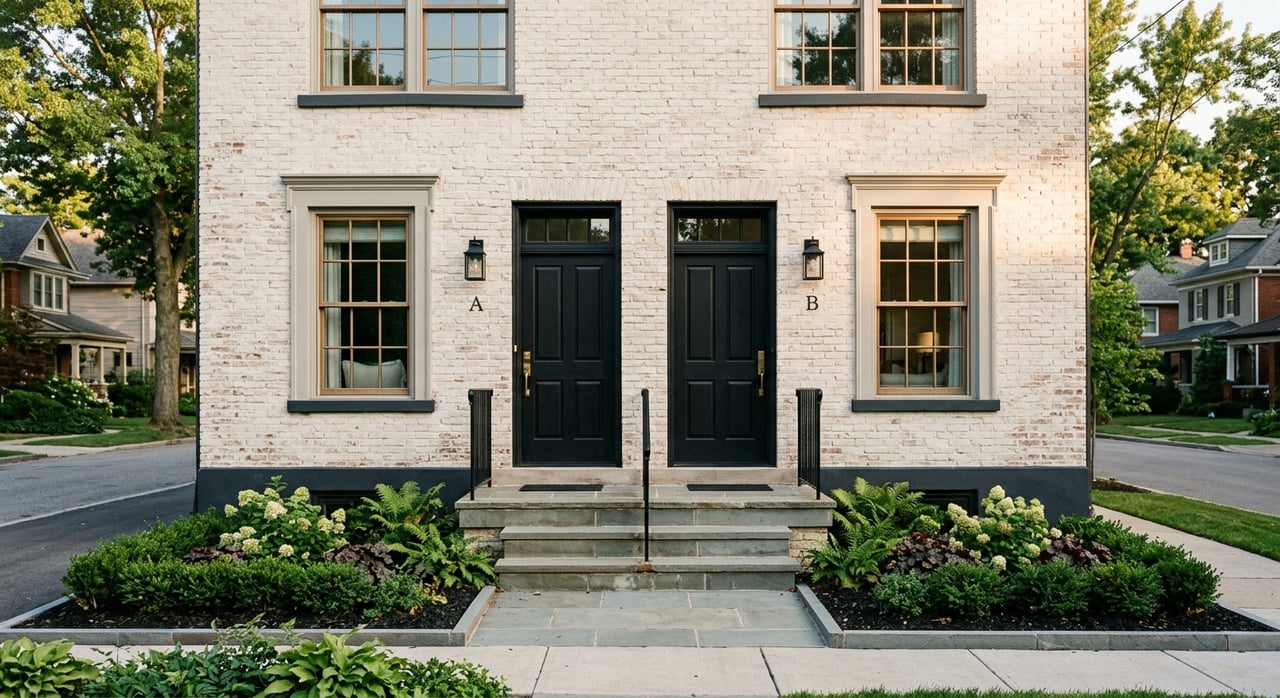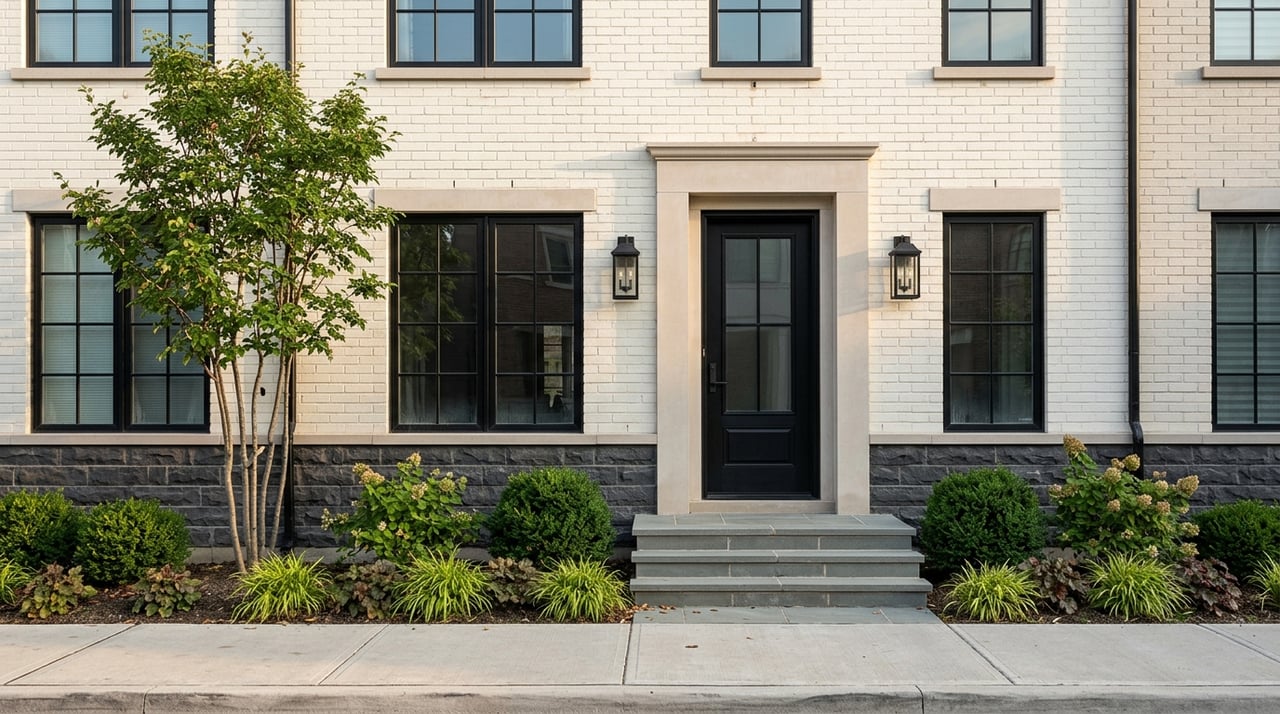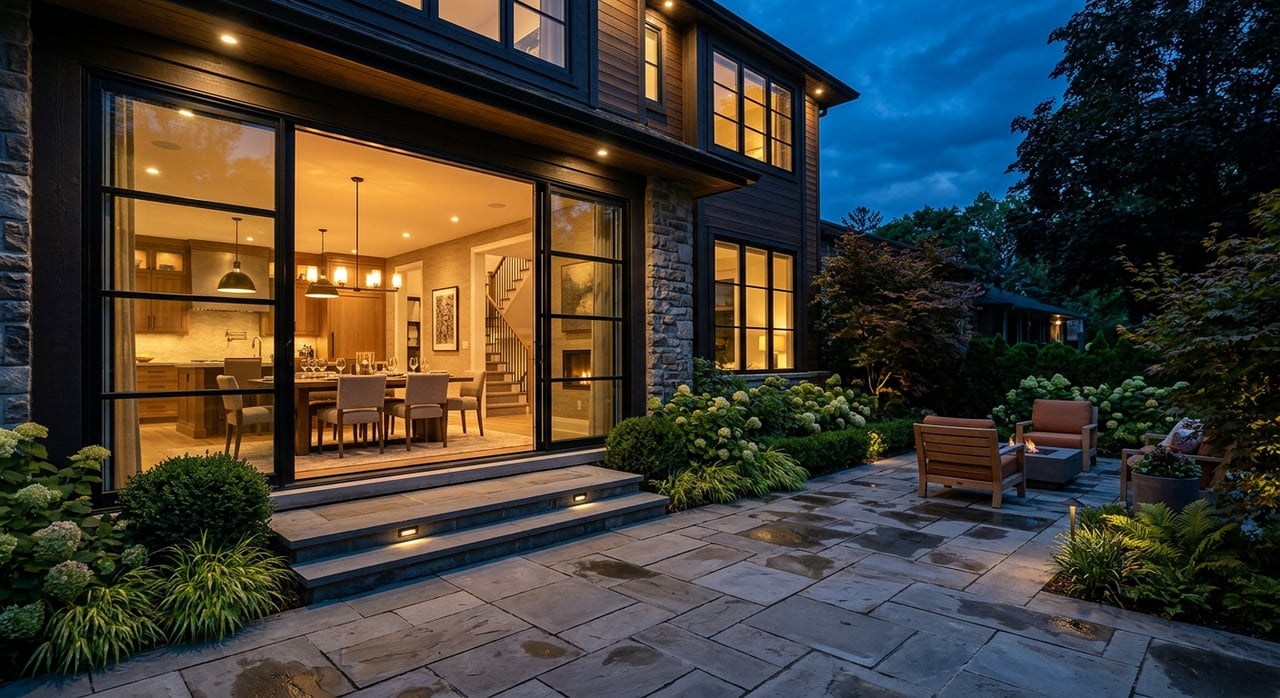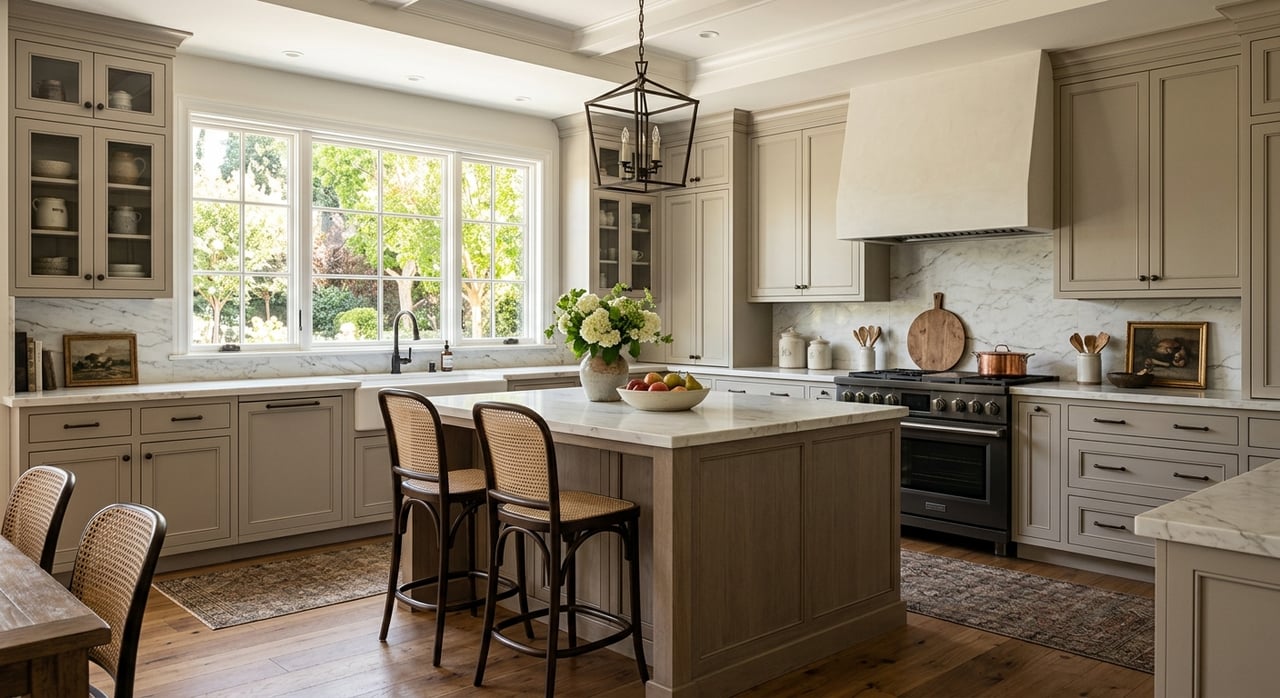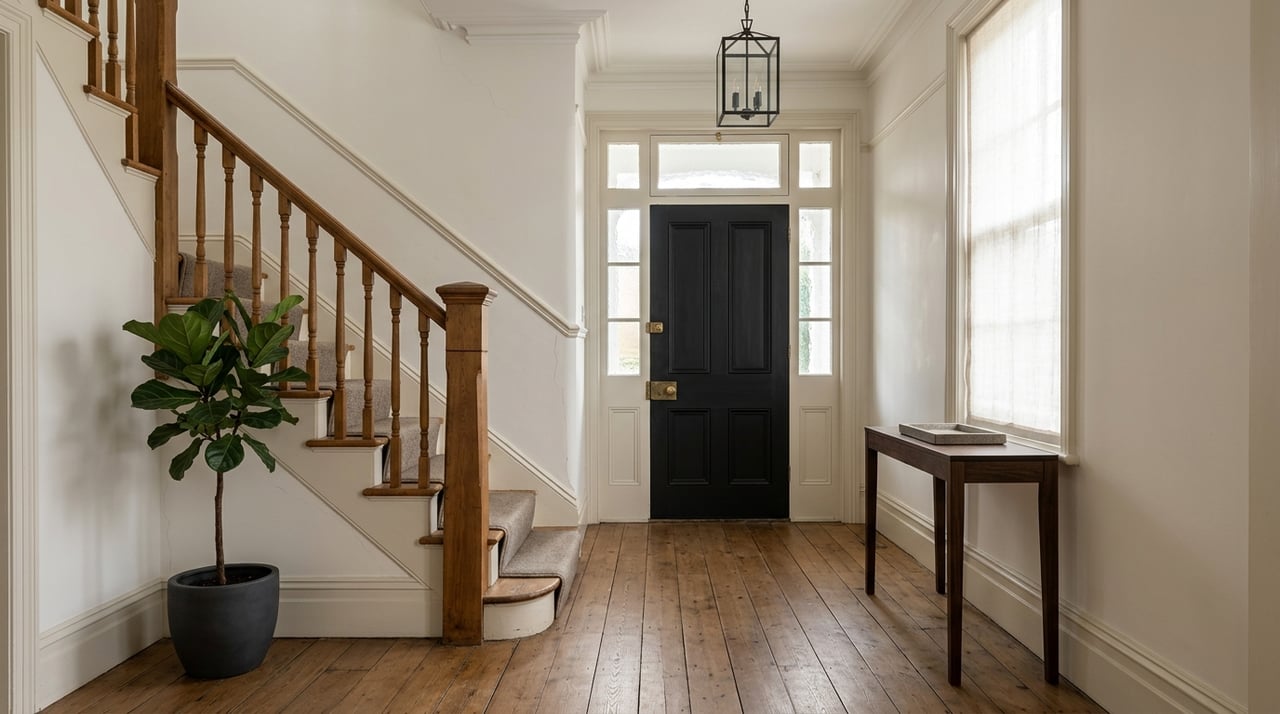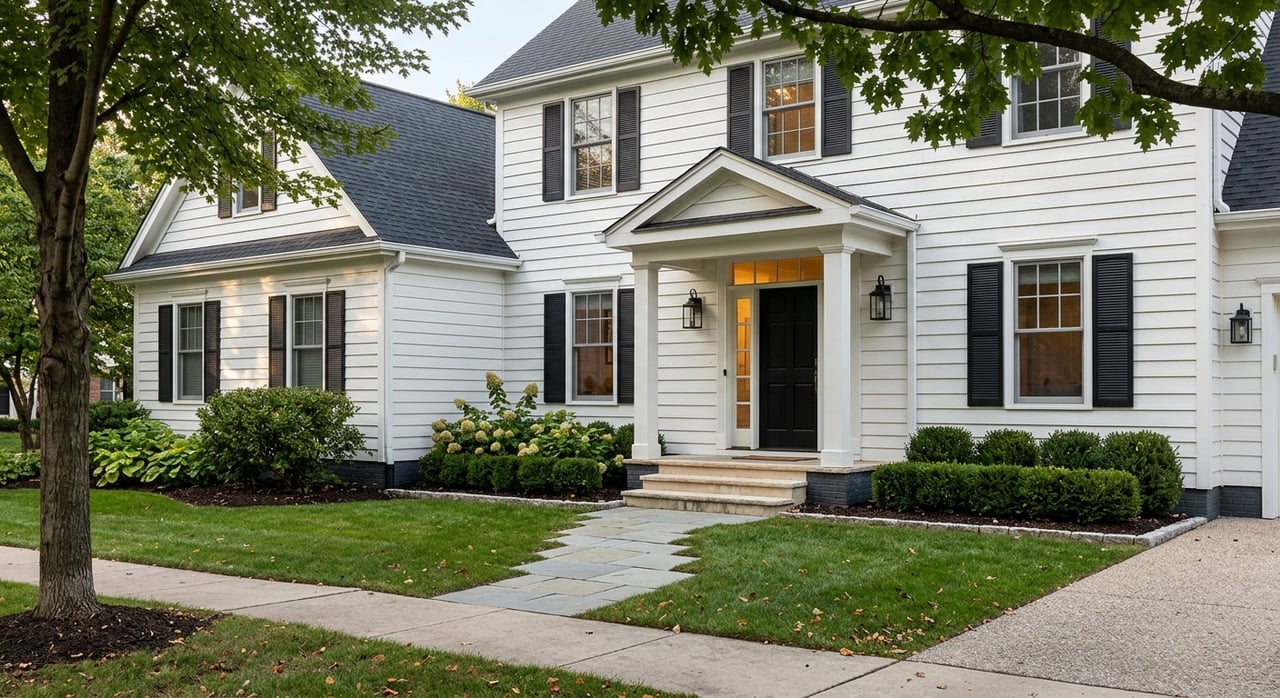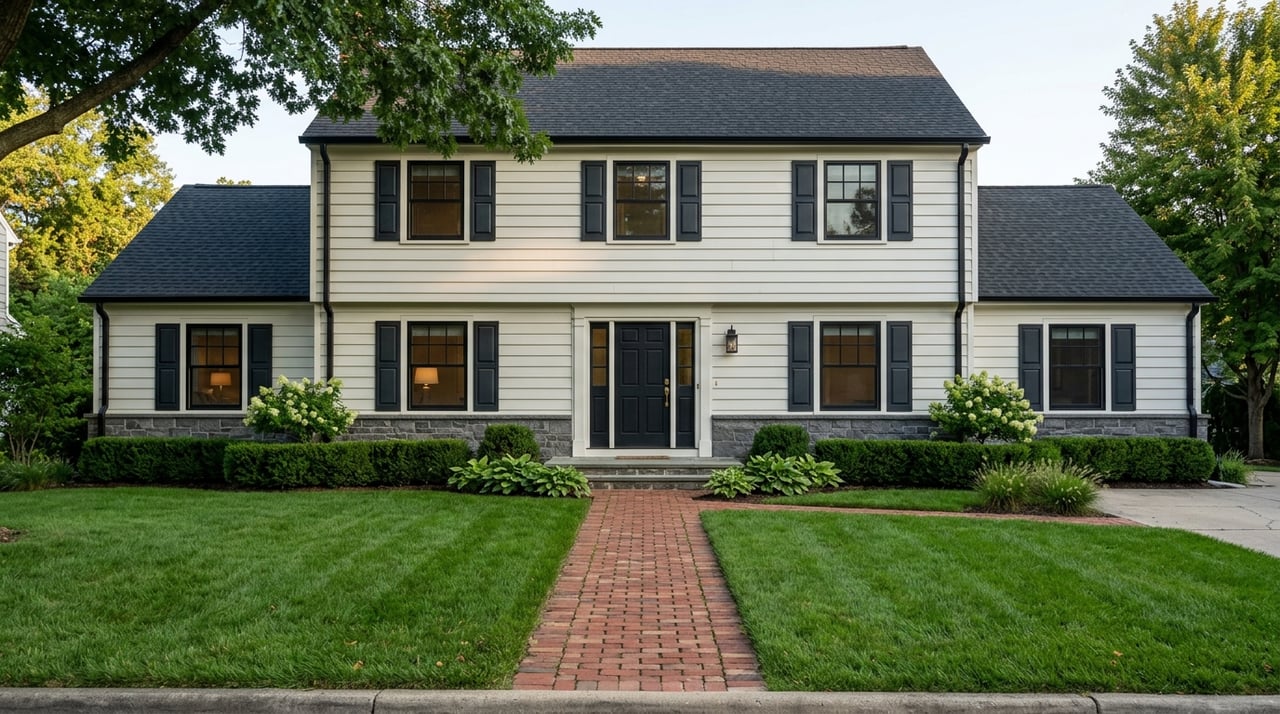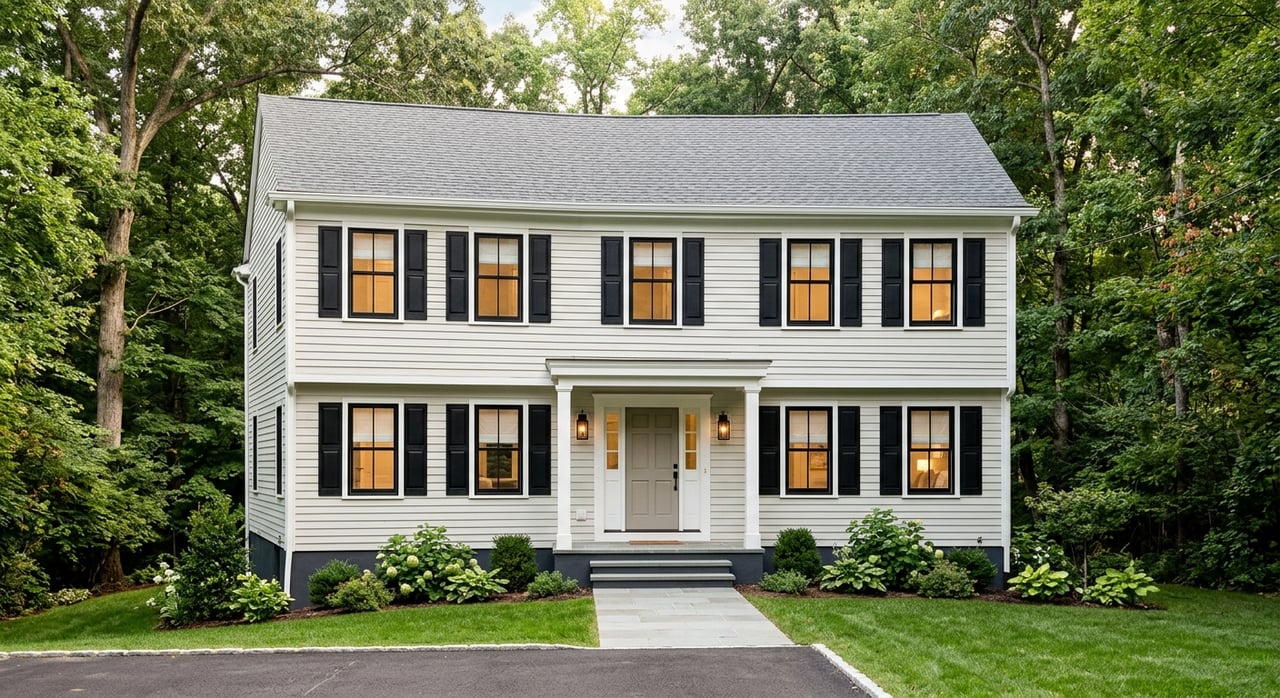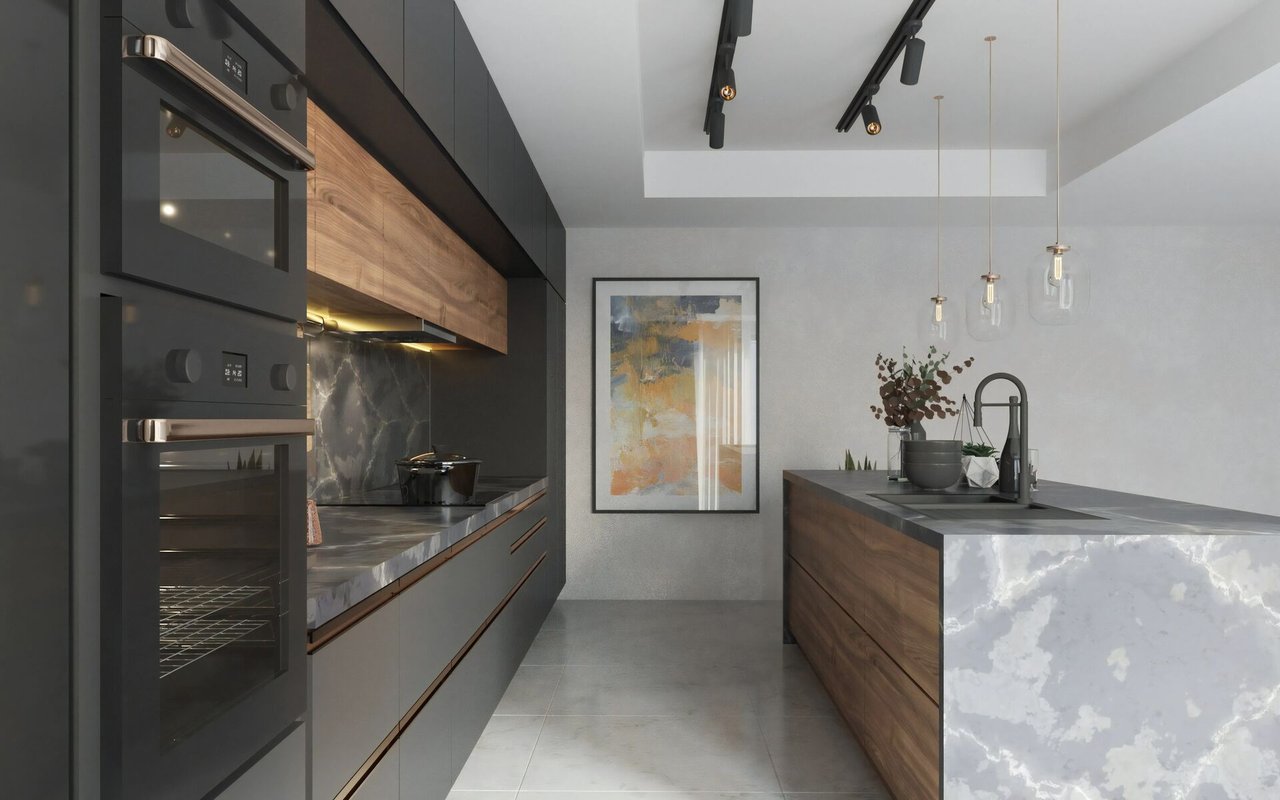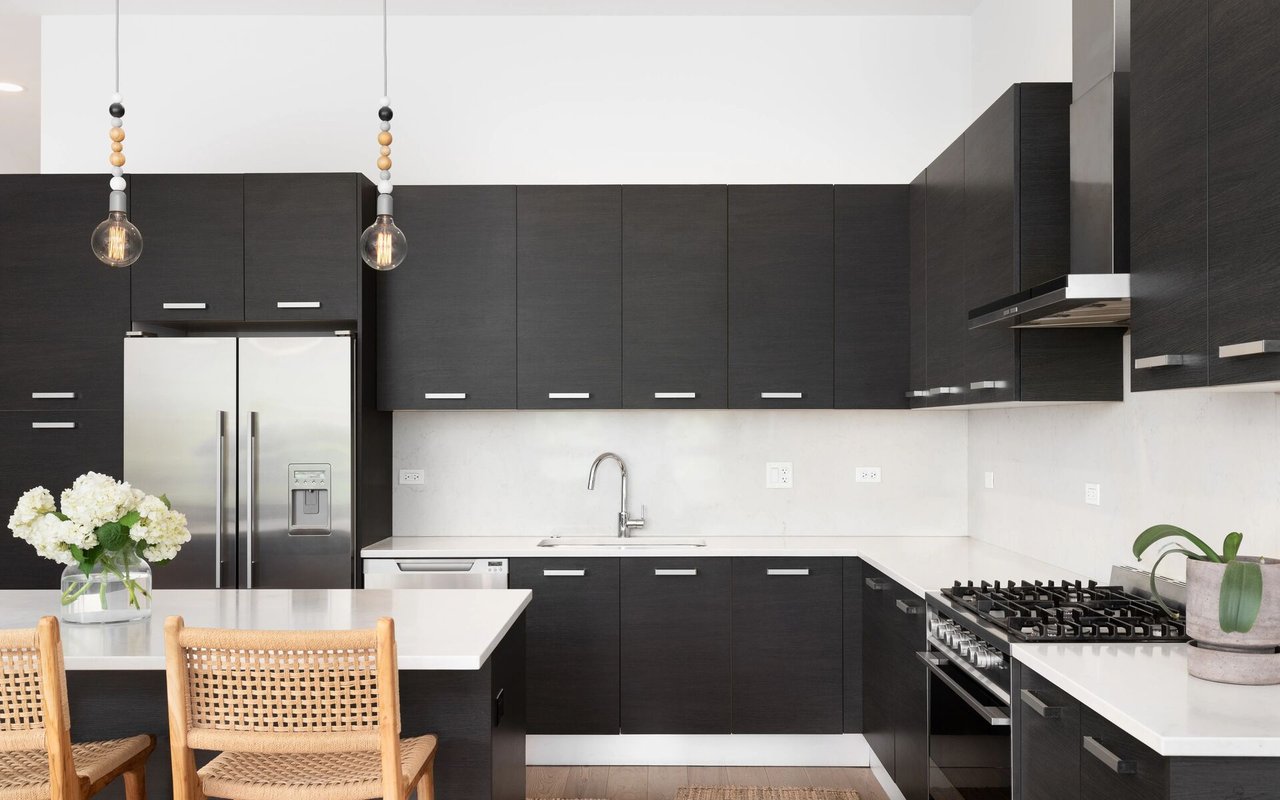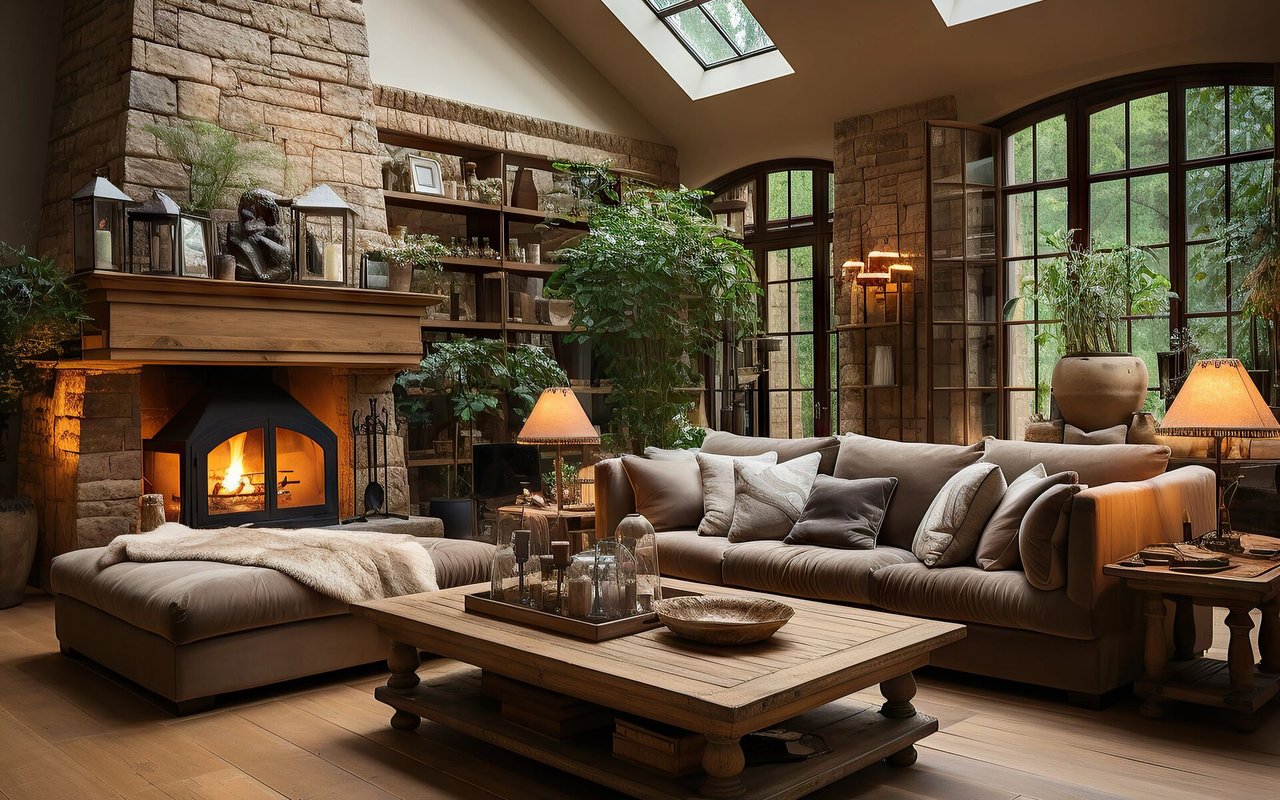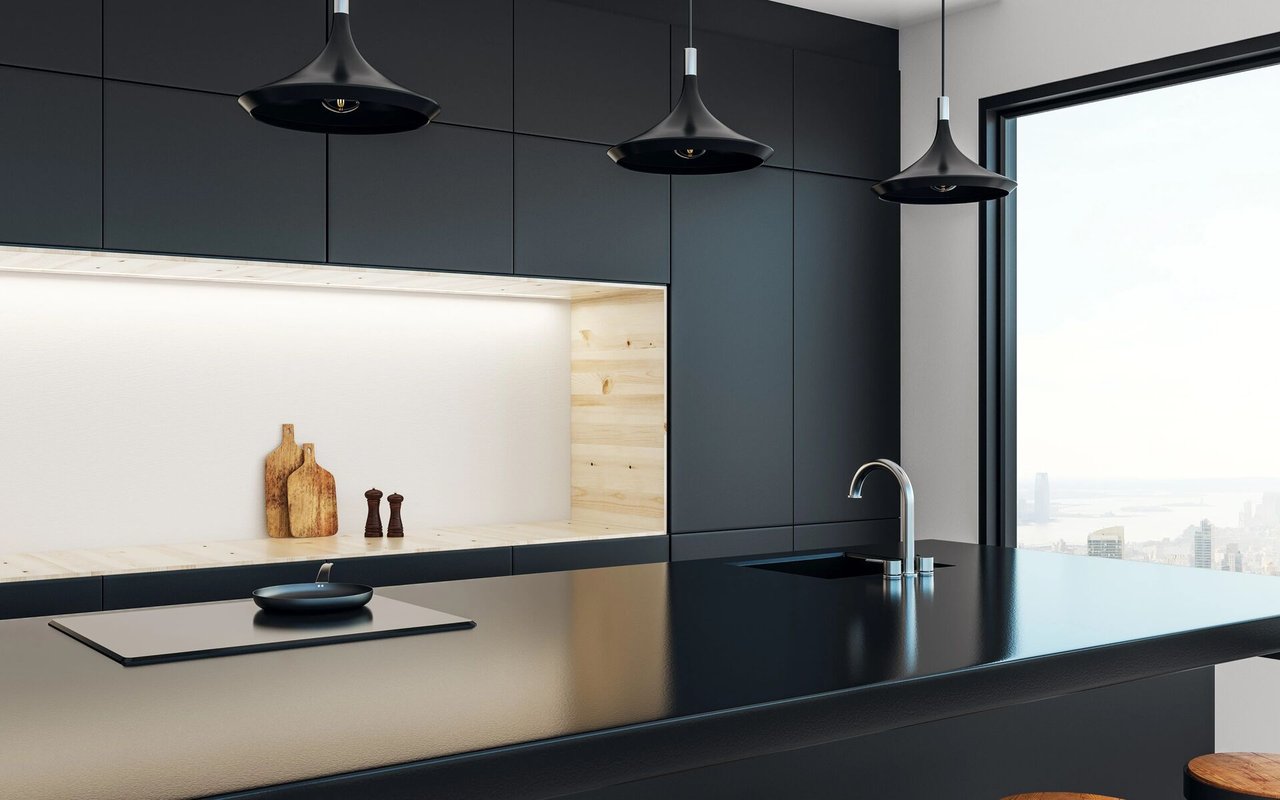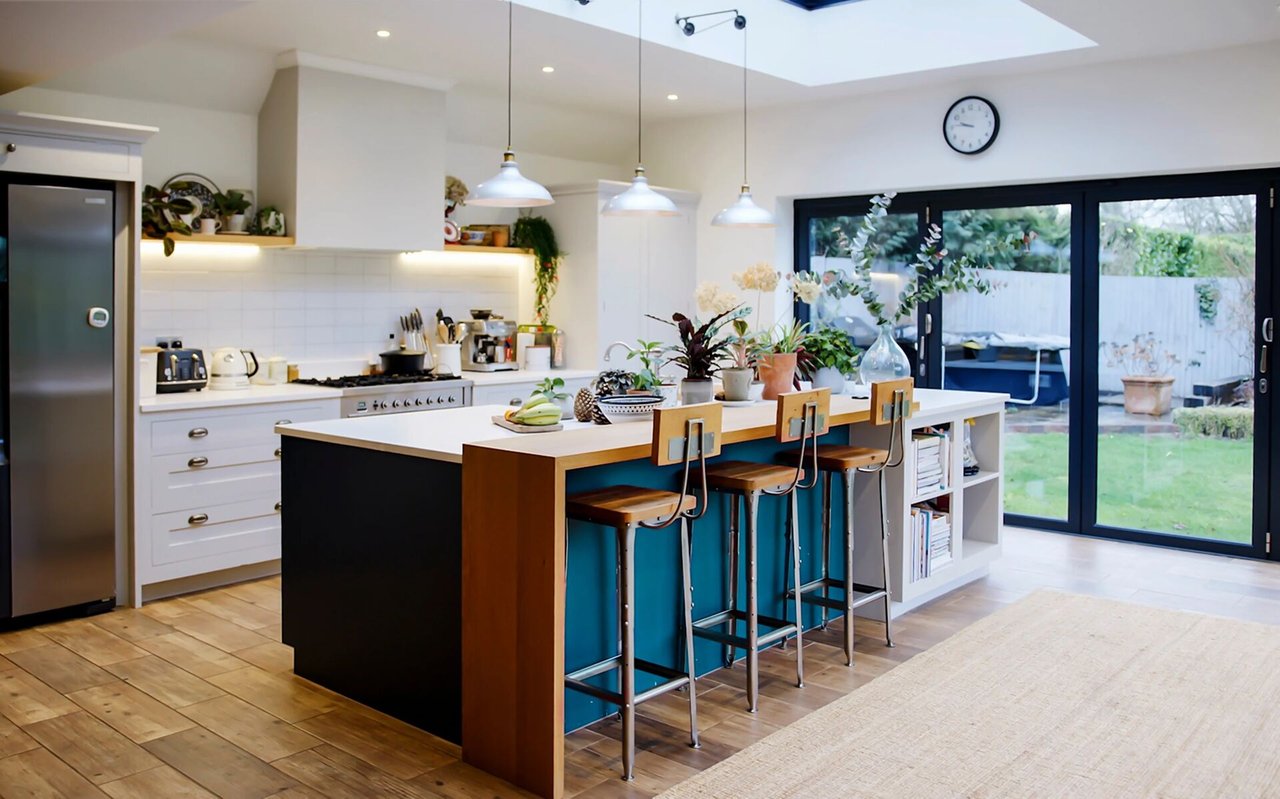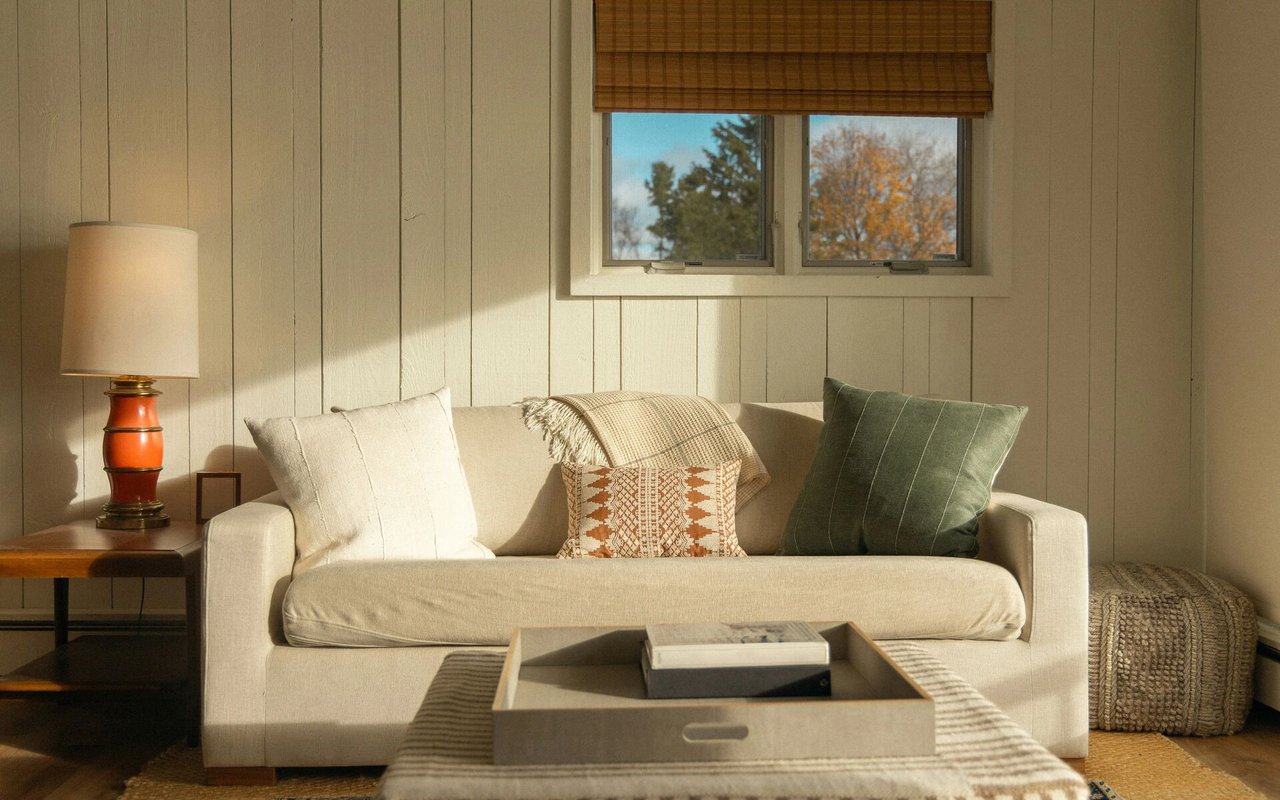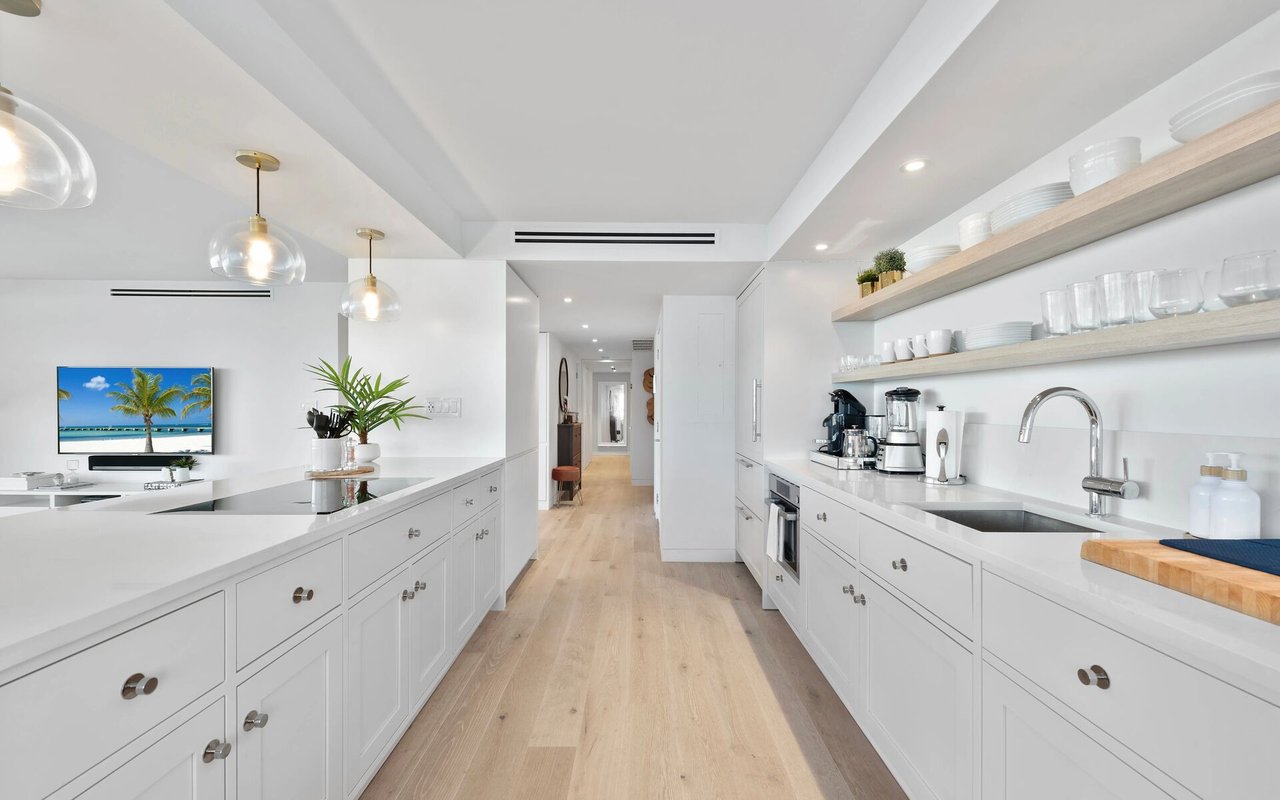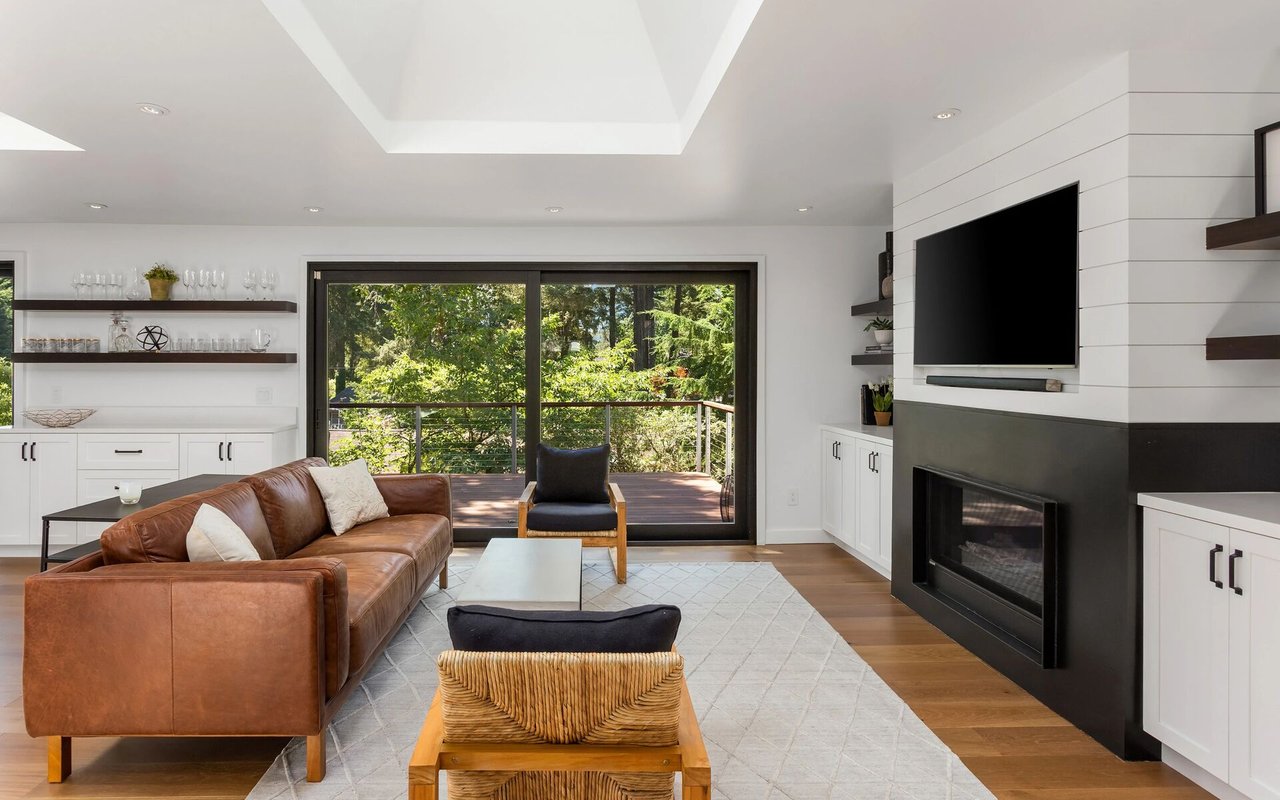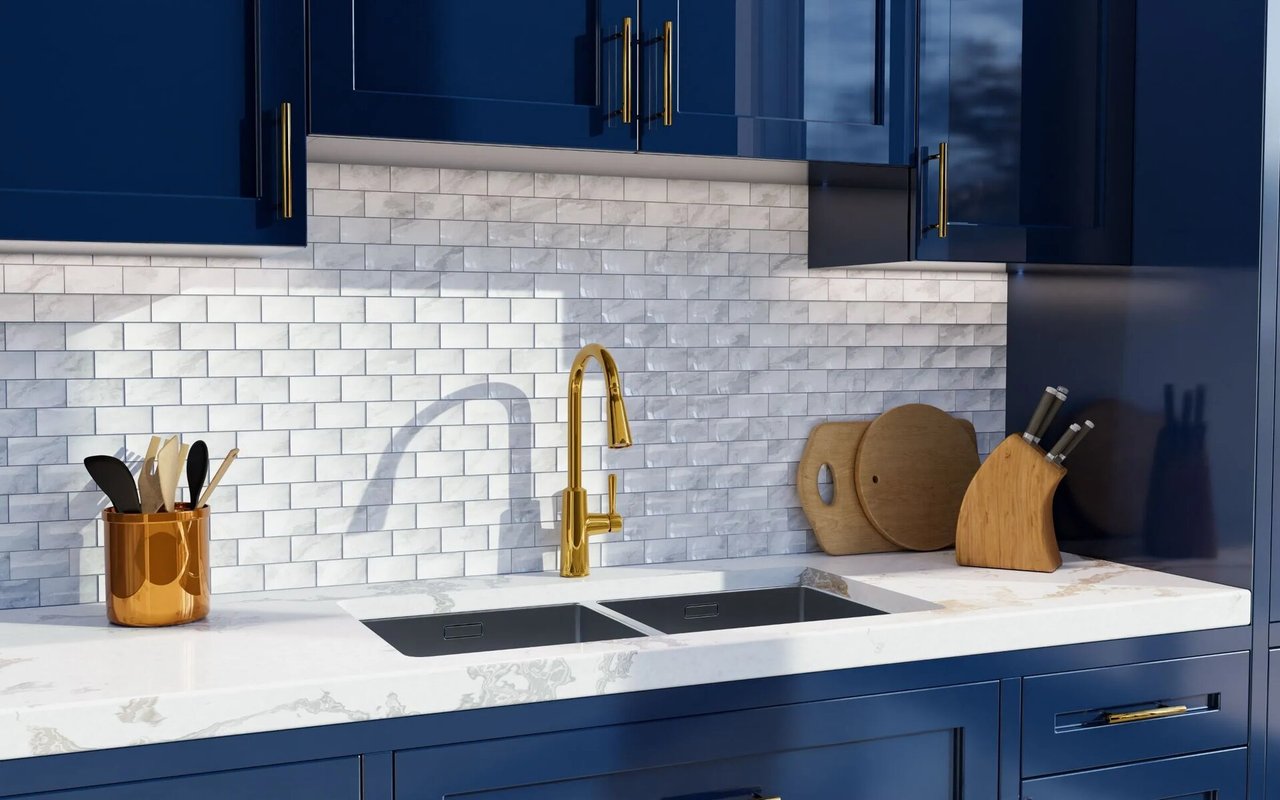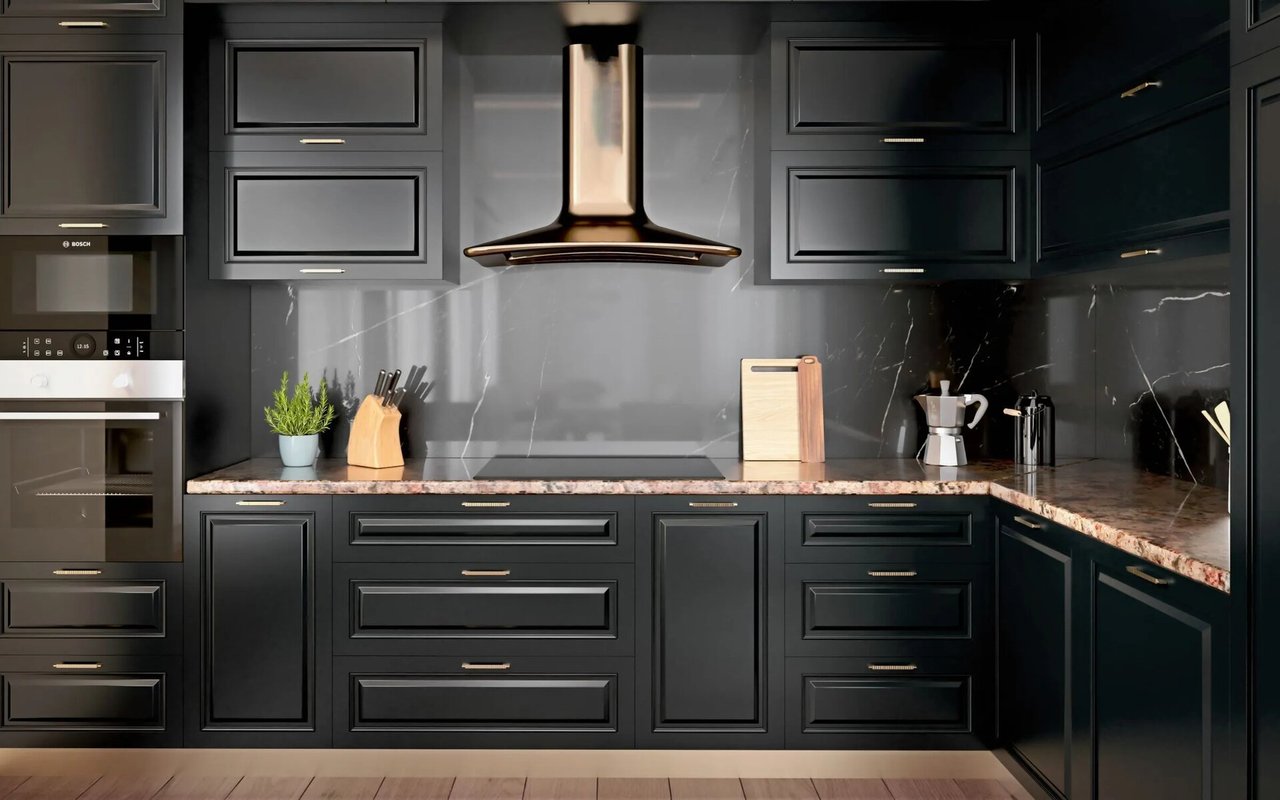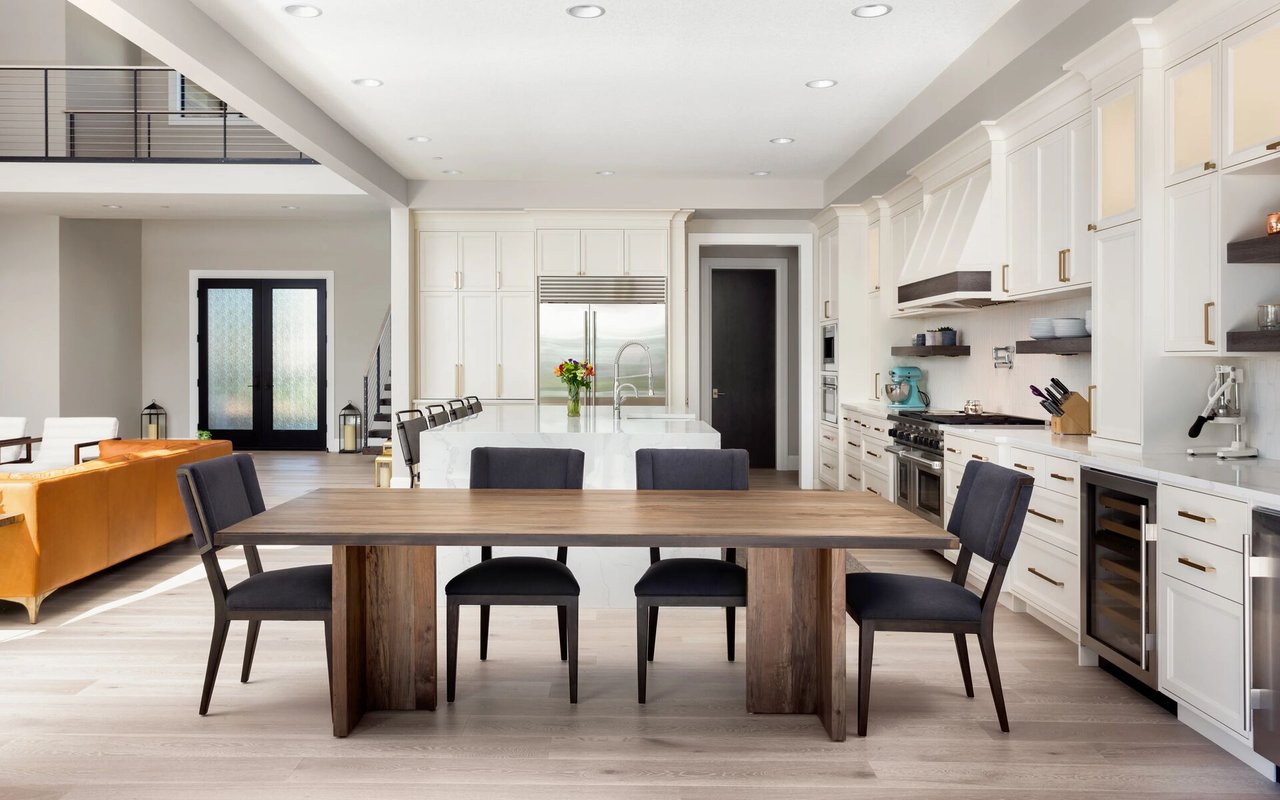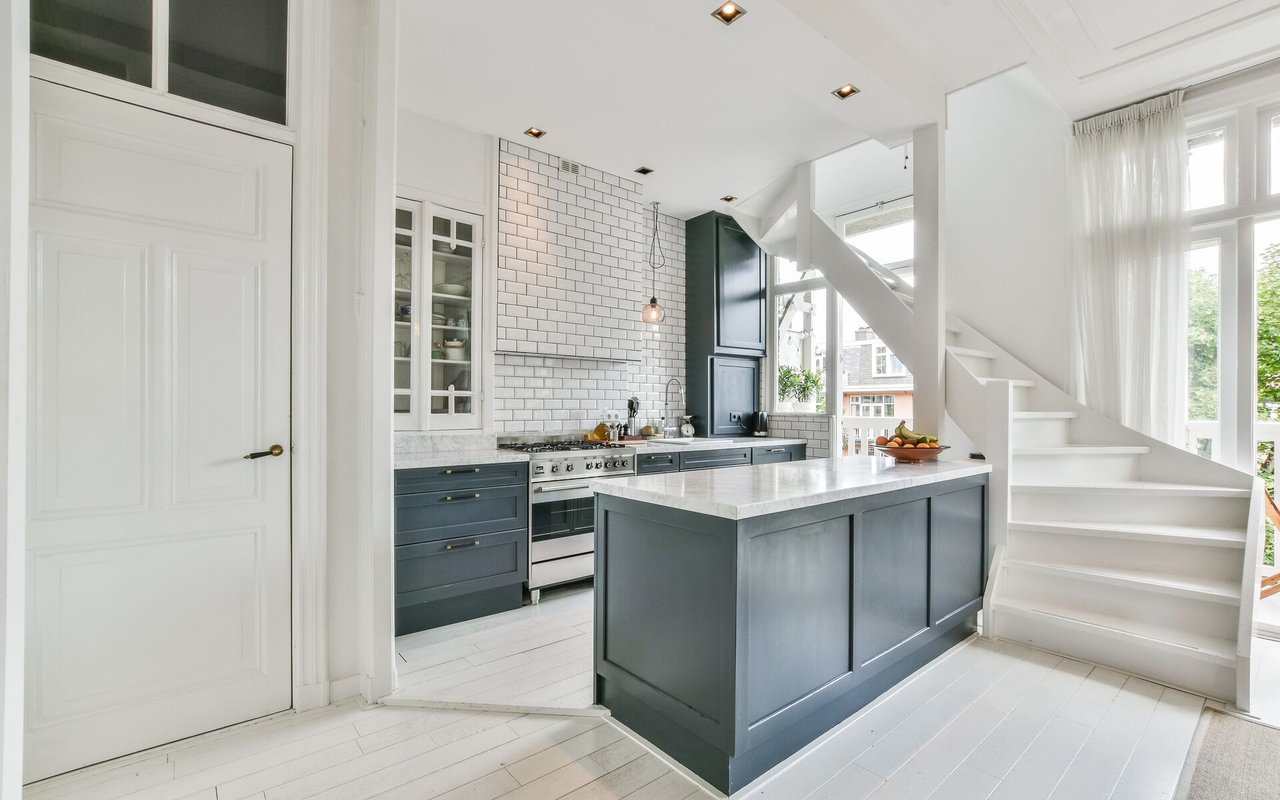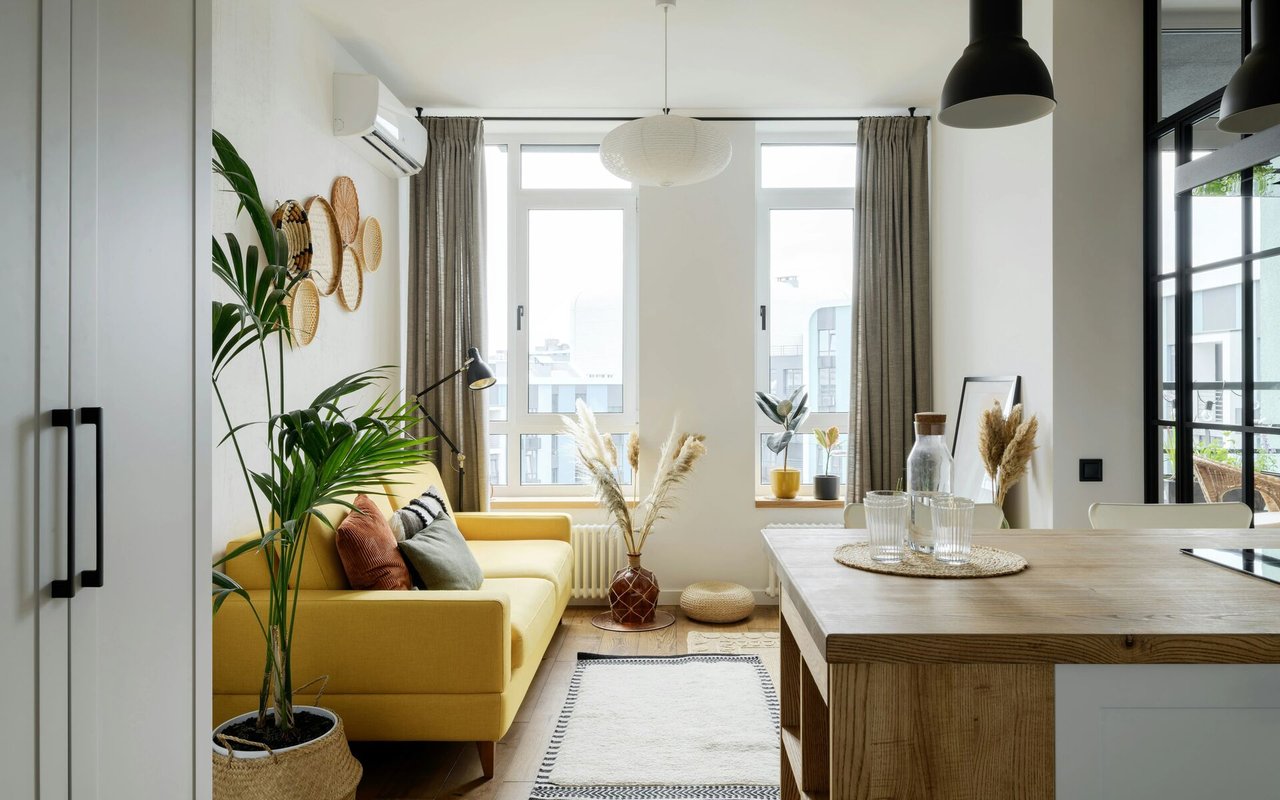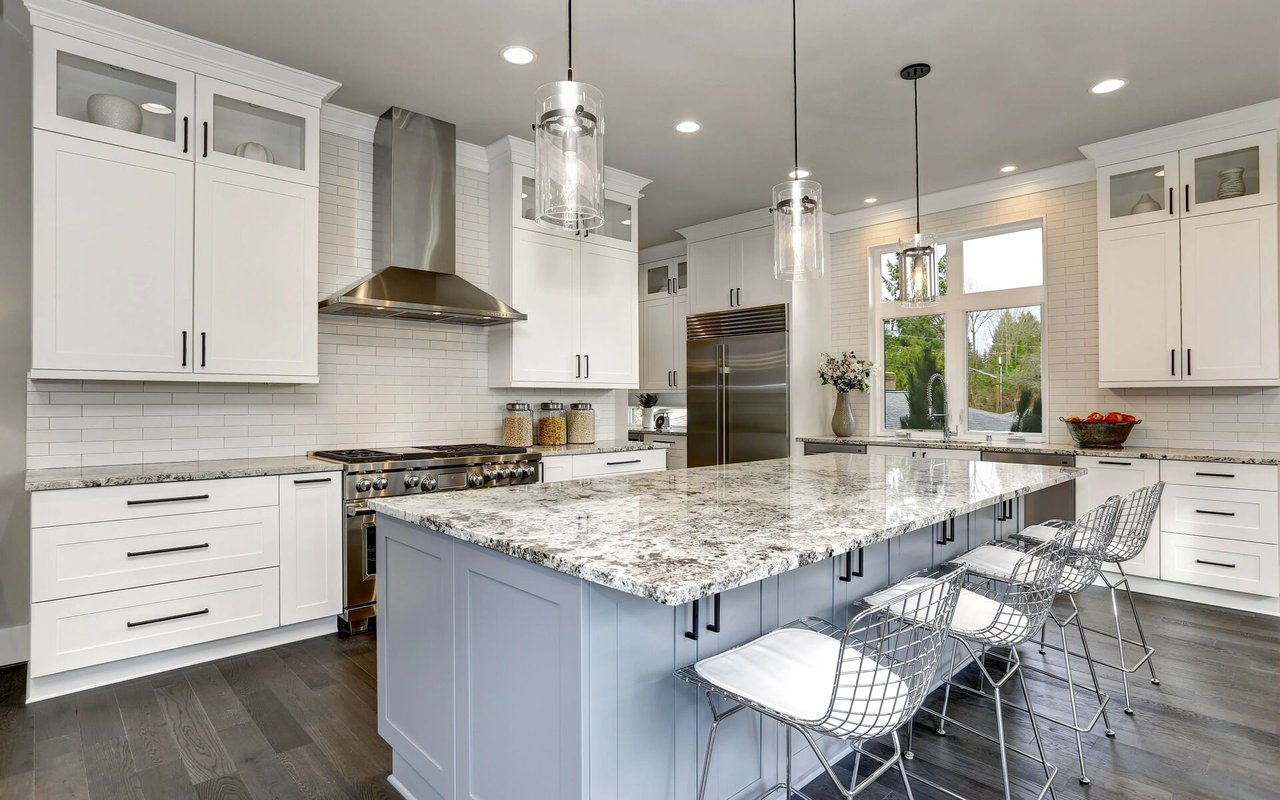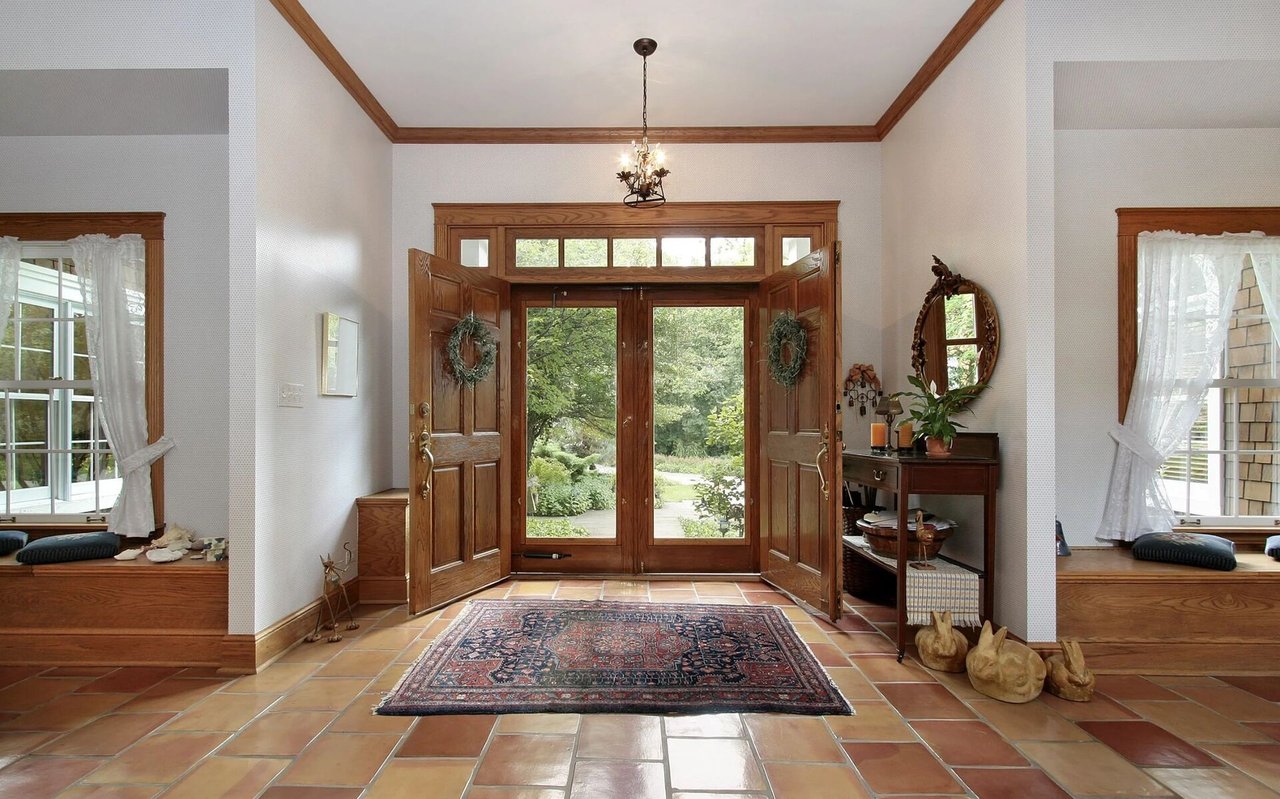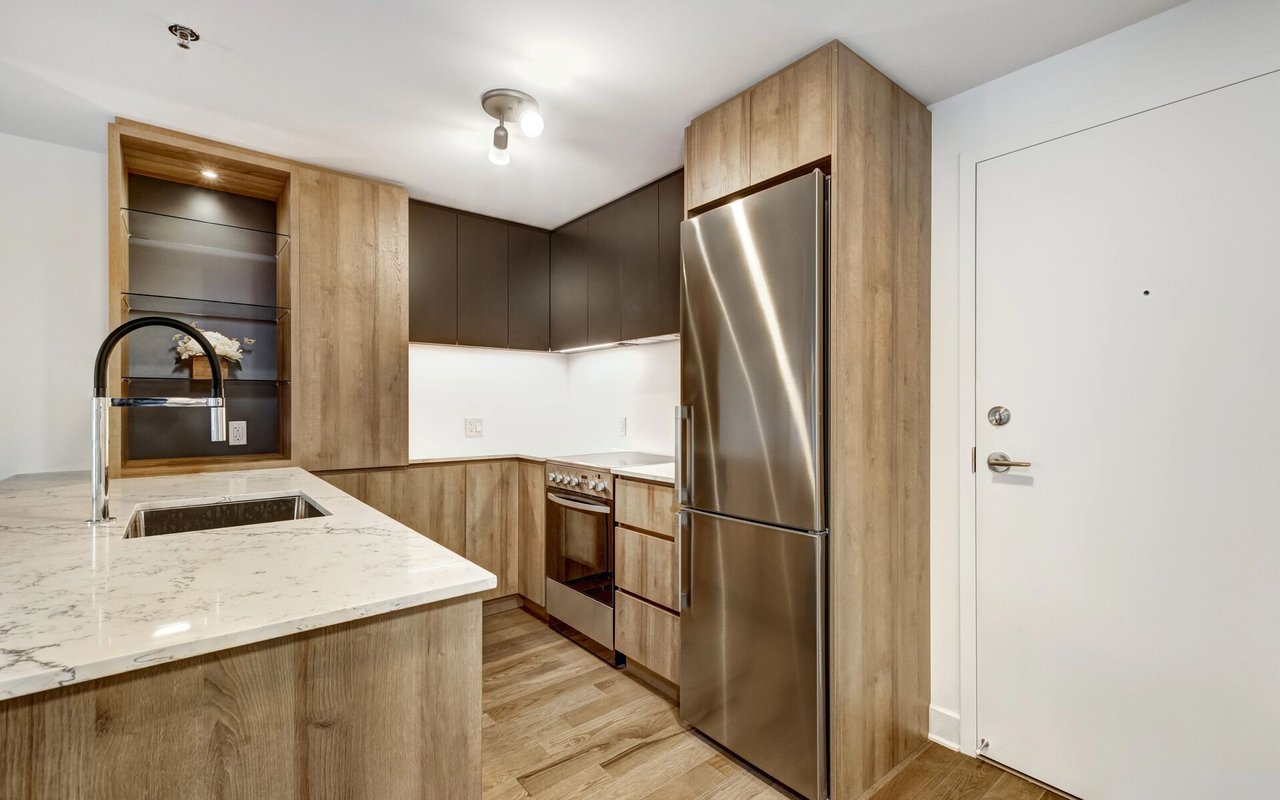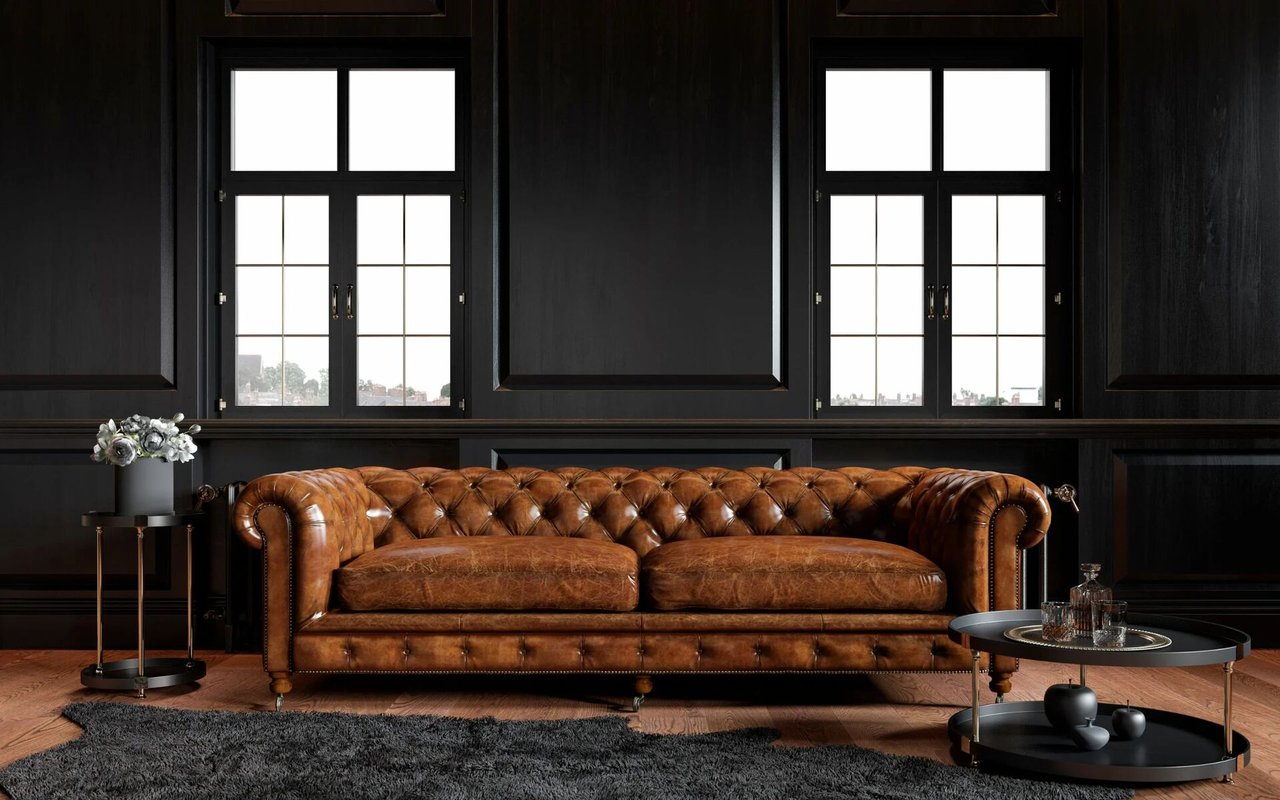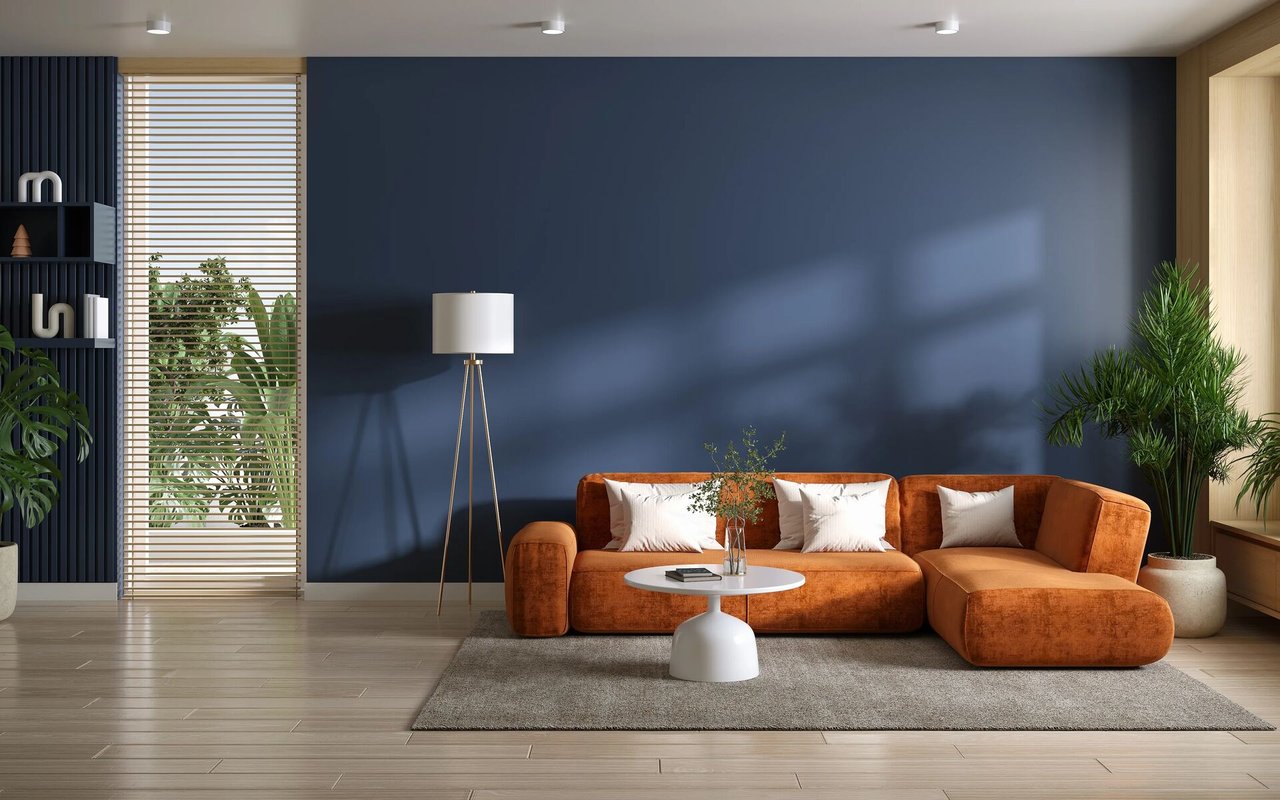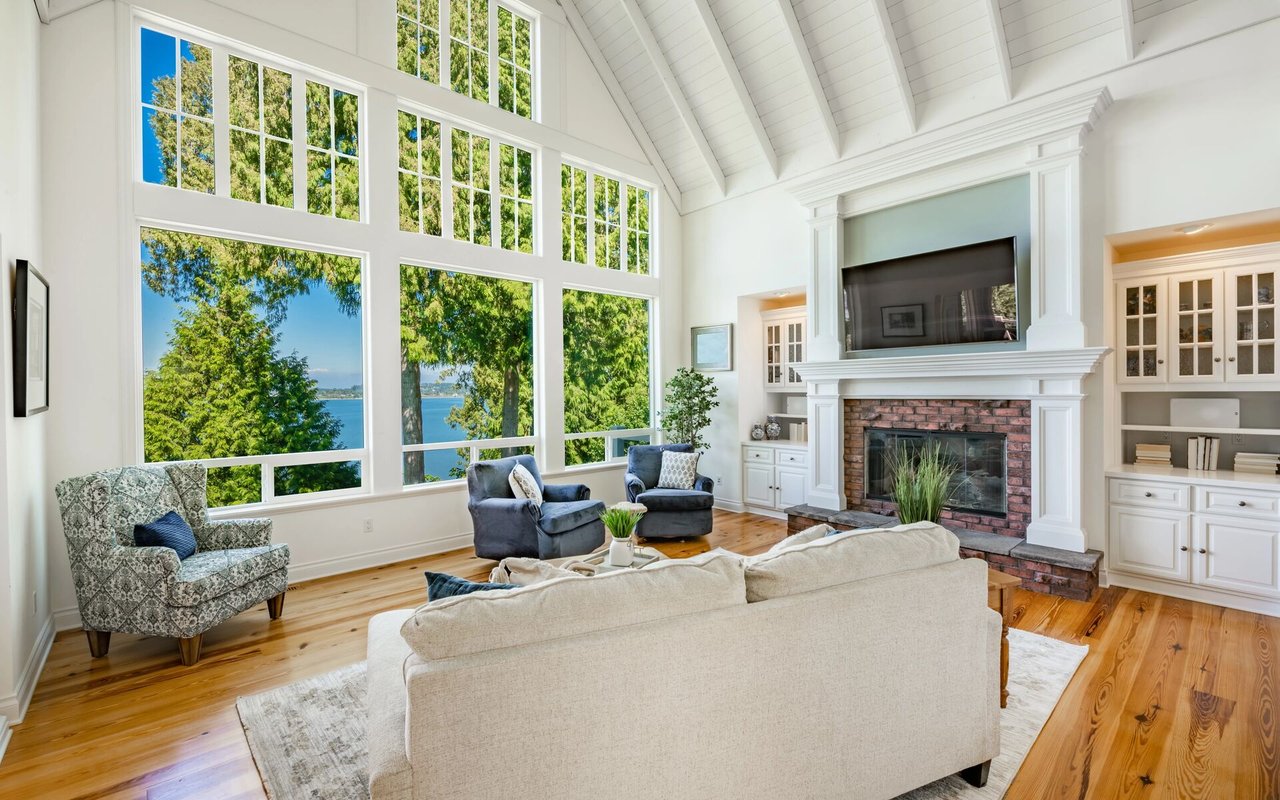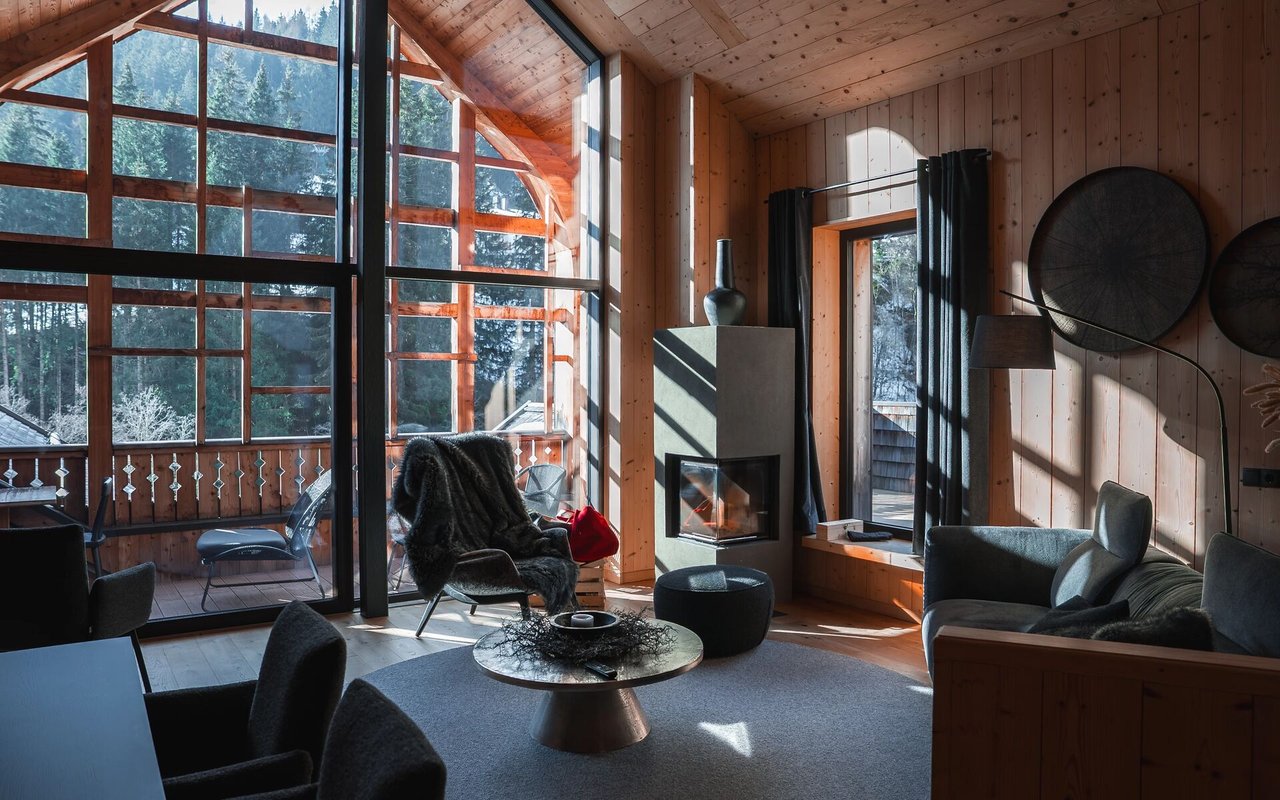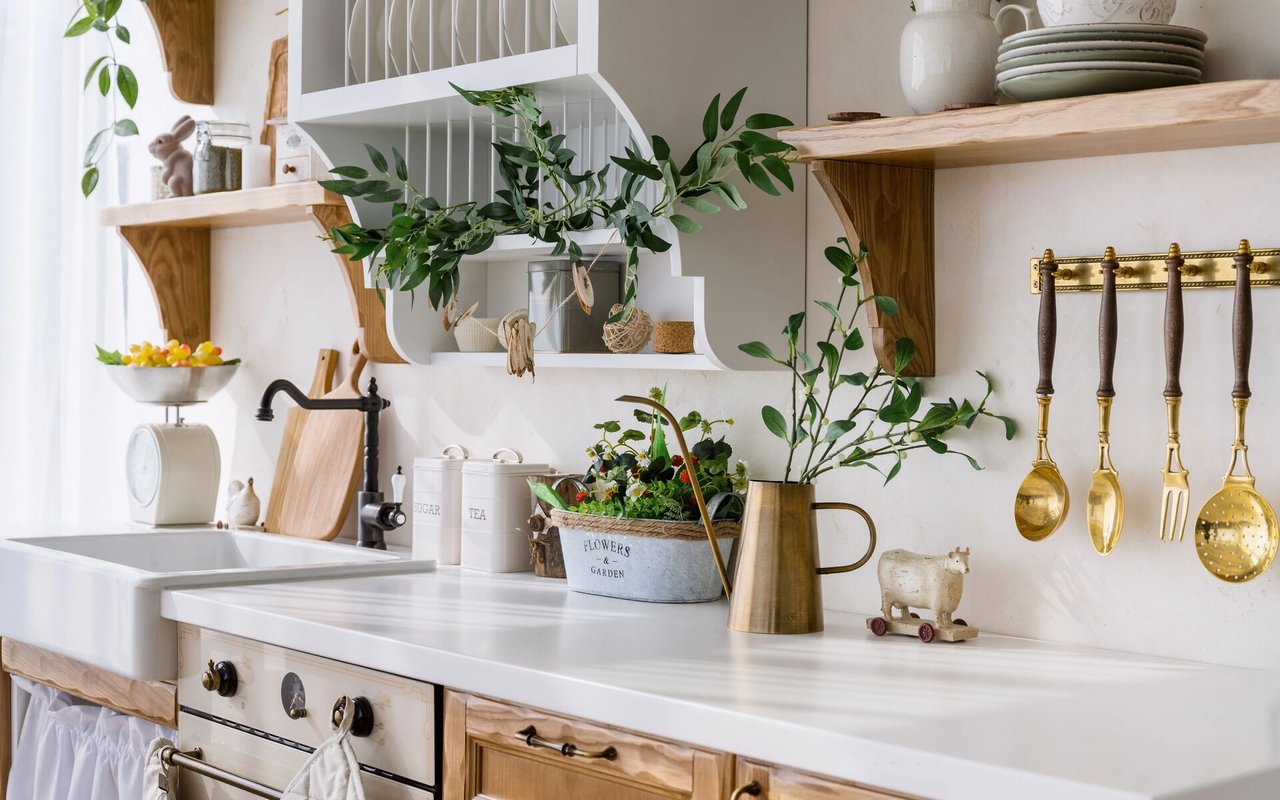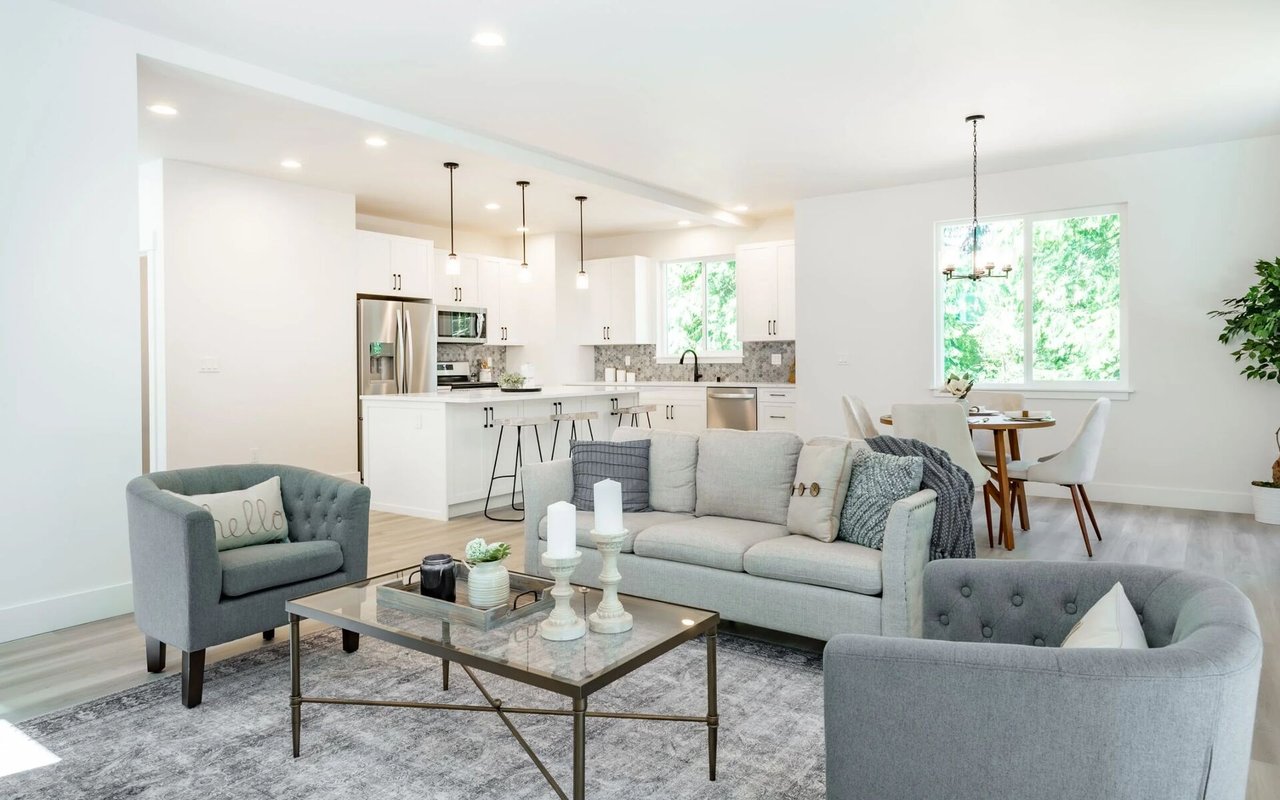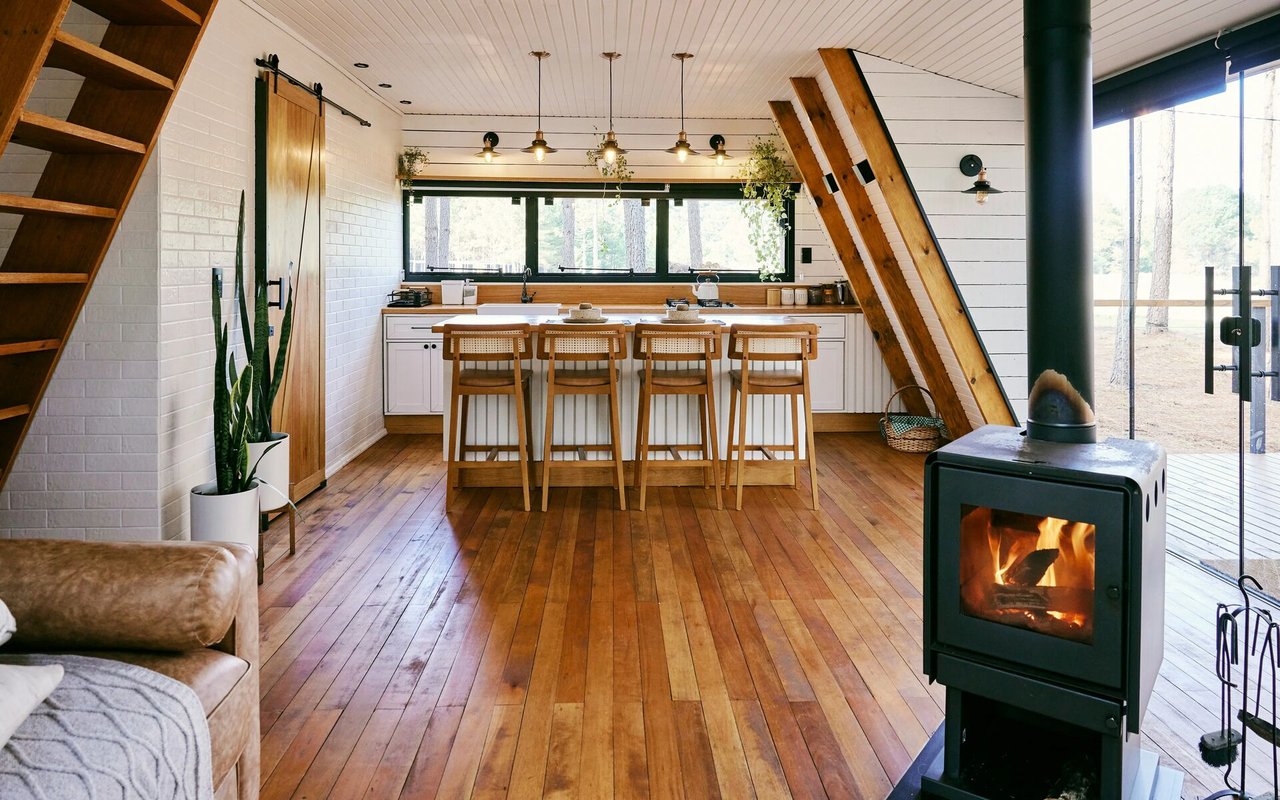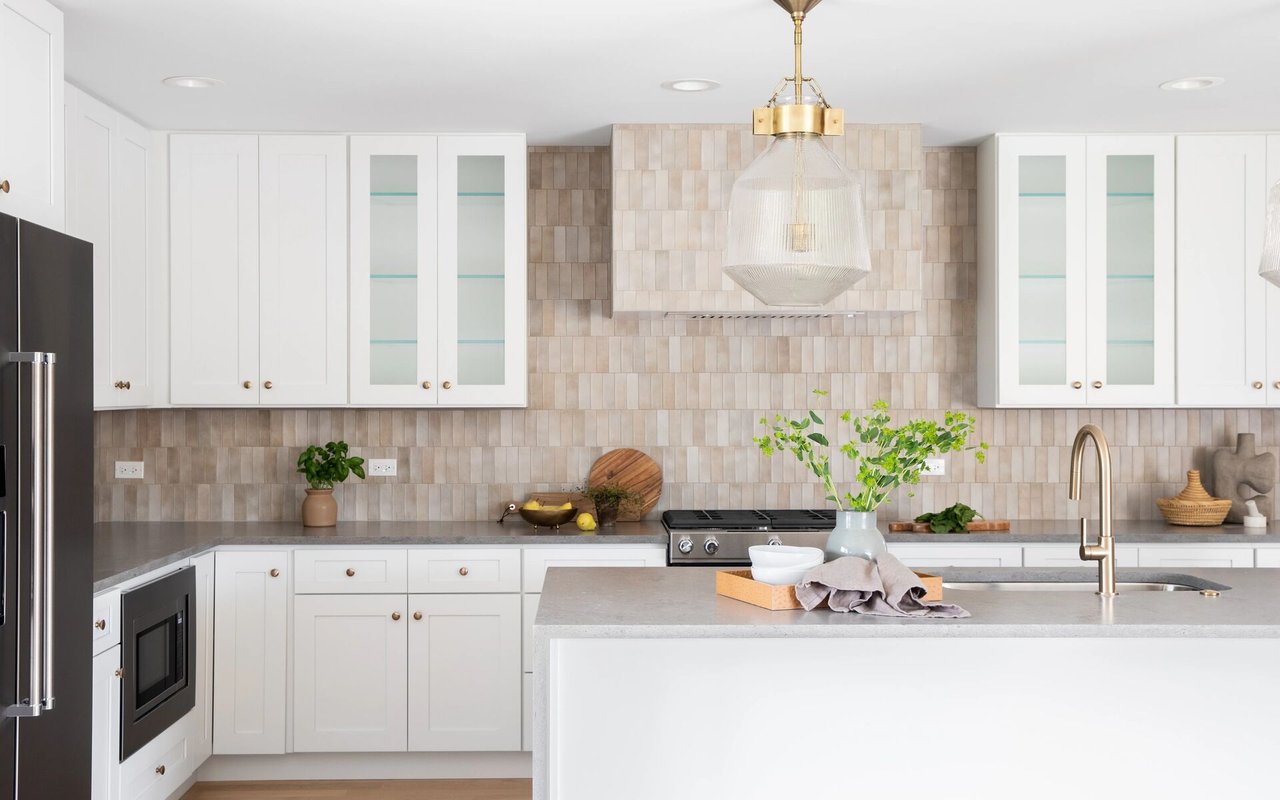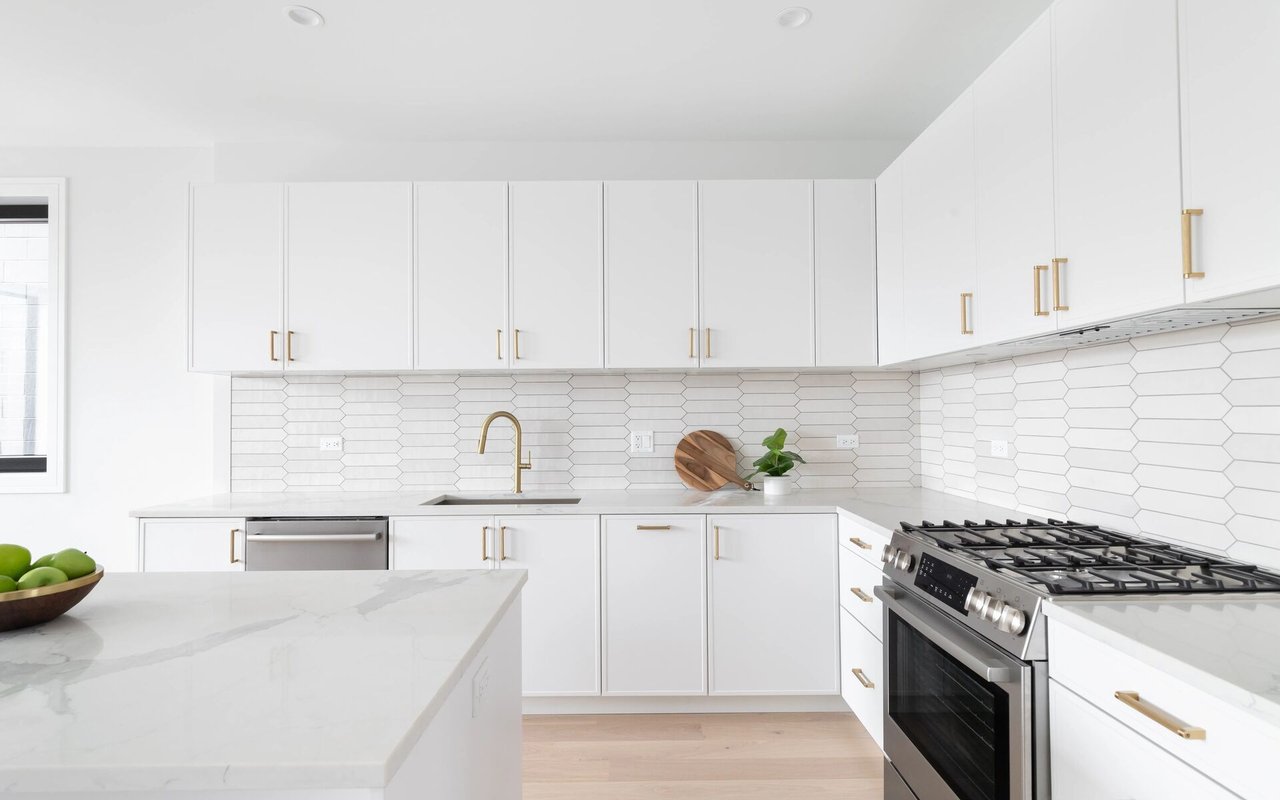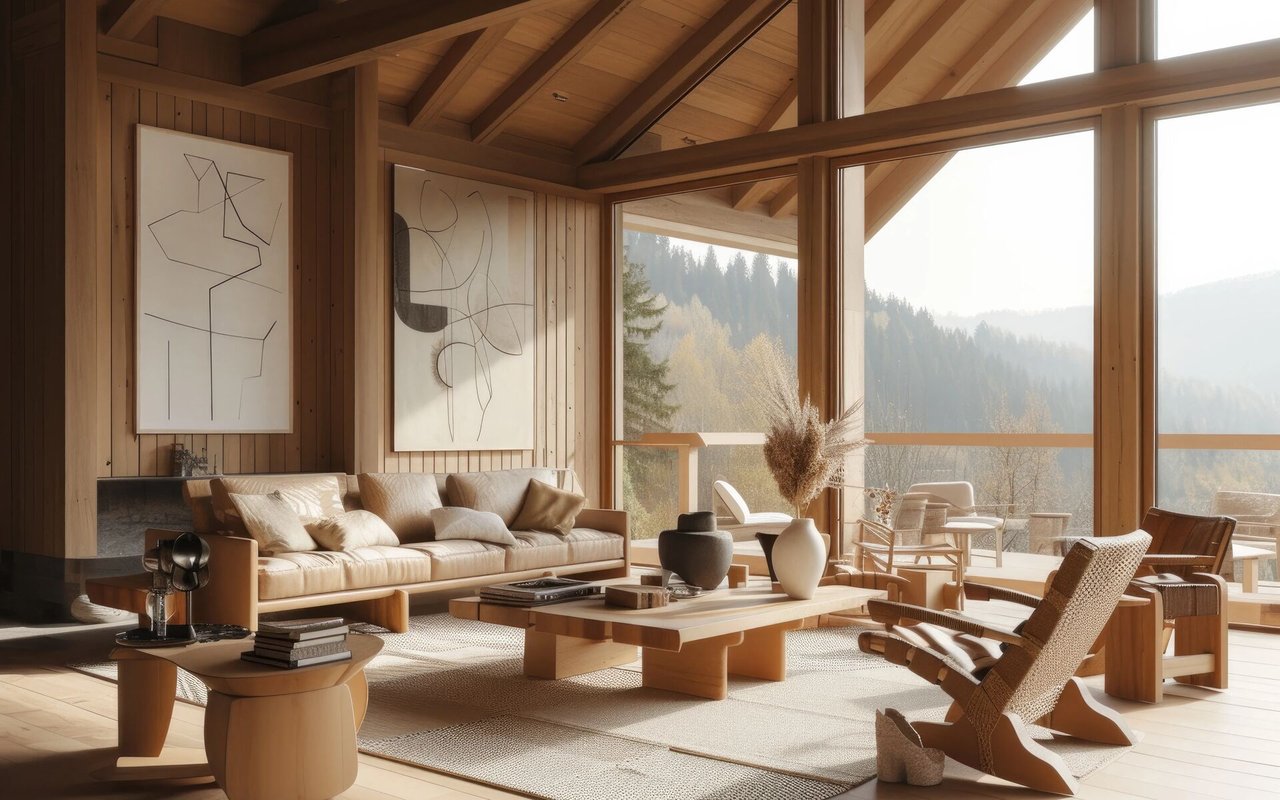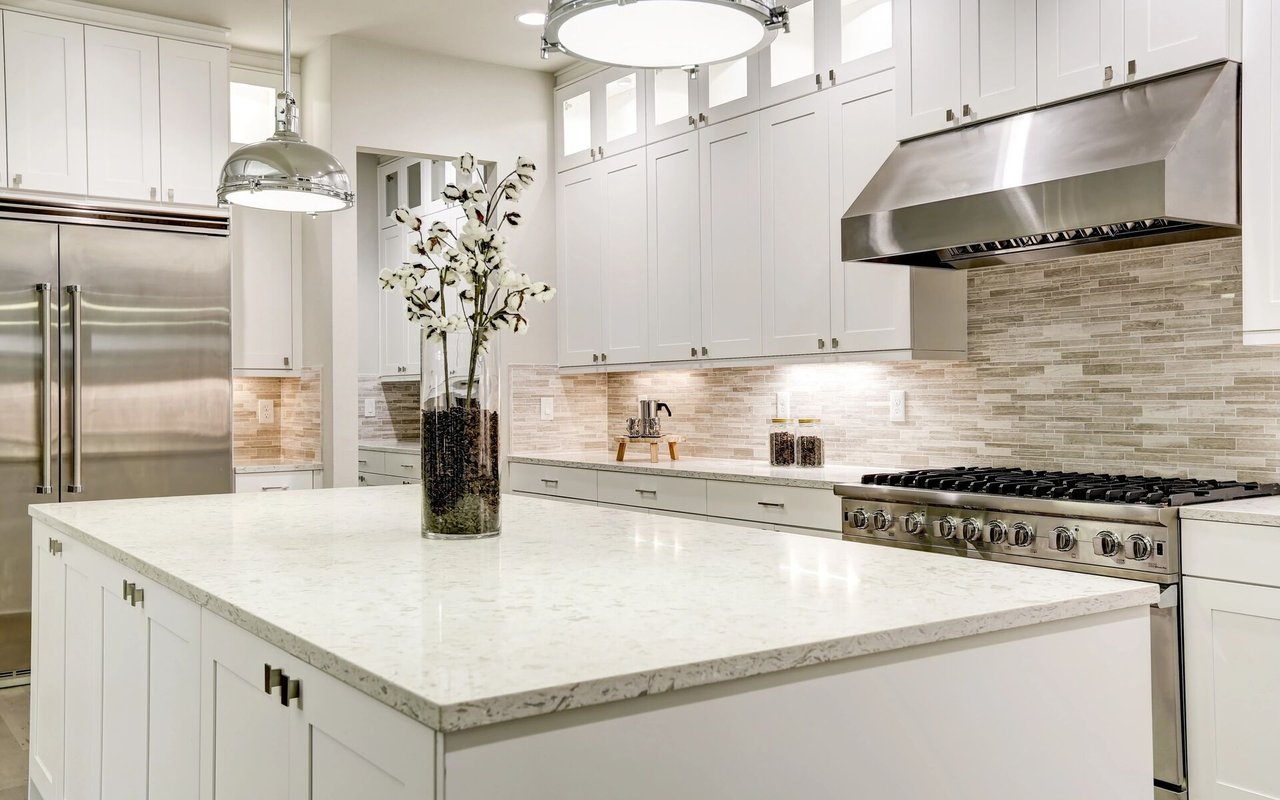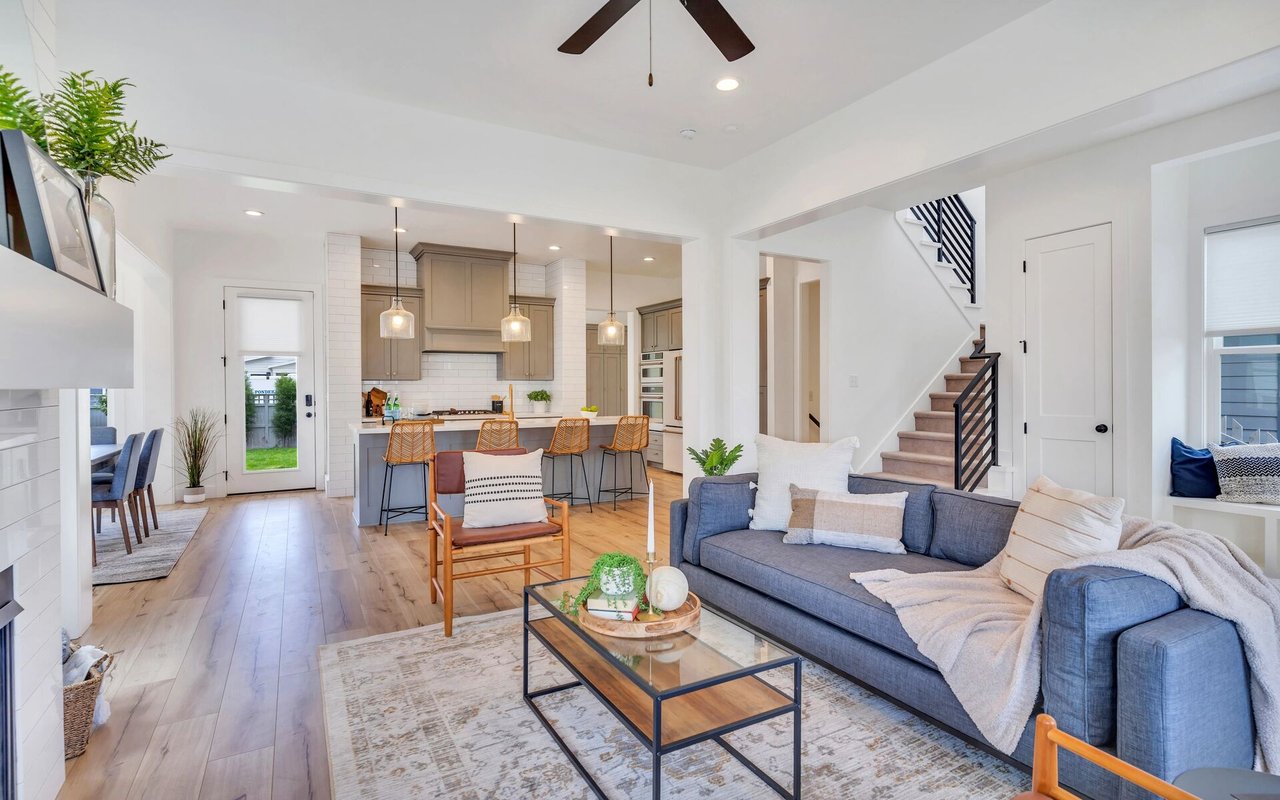
A coat of fresh paint. A strategically placed mirror. Fresh flowers in the entryway. Maybe even the smell of cookies in the oven of a clean, spacious kitchen.
Sellers know how to stage a home to make you fall in love fast. And they’re not wrong to try because it works. According to the National Association of Realtors' 2025 Profile of Home Staging, 60% of the agents mentioned that home staging had an effect on some buyers.
But if you’re serious about buying, you’ll need to look past the charm and pay attention to what really matters. Is the layout functional, or just pretty? Do the windows seal properly? Are there signs of deferred maintenance hiding behind those curtains?
Previewing a home for sale is your chance to read between the lines. To notice the little things that other buyers miss. To ask: Is this home priced right for its condition? What will it cost me down the line?
This is about being prepared, not being picky. Because spotting value isn’t just for investors or seasoned flippers, it’s for anyone who wants to buy smart, live well, and feel confident from offer to closing. Keep reading to discover how you can train your “eye” to spot value in every home previewing.
What’s an Open House and Why is it Important?
An open house is a scheduled time when a home for sale is open to prospective buyers: no appointment, no pressure. It’s a casual preview where you can stroll through, take your time, and compare notes with other visitors. But here’s what’s really interesting:
Half of all home buyers attend open houses at some point during their search, according to the National Association of REALTORS (NAR). That’s not a niche activity, it’s the norm.
About 3% of buyers say an open house was their first step in the search process. That may seem small, but when the journey often starts online or with an agent, it makes sense. Still, that 3% means open houses are the very thing that got them in the door.
Even for seller-direct listings (FSBO), open houses remain a popular marketing tool, used in about 5% of cases. And while only a small share report finding their home through the initial open house visit, many more say that these events played a key role in the decision, roughly 37% of buyers report having attended an open house for the home they ultimately purchased
So what’s the takeaway? Open houses are far from trivial. They’re key moments in the buying experience, moments where you can see how your impressions stack up, spot details that photos missed, and pick up signals about pricing or seller urgency.
In other words, each open house is a real opportunity. For buyers, that means showing up prepared. For sellers, it means staging for impact, and for you, spotting value before anyone else does.
What Open Houses Reveal That Online Listings Can’t
Let’s be honest: browsing homes online can be addictive. You scroll through dreamy kitchens, zoom in on backyard patios, maybe even start mentally arranging your furniture. Moreover, it is incredibly convenient! You can do this in houses located in your street or on the other side of the country.
But screens can only tell you so much. Photos are cropped, angles are chosen carefully, and descriptions? Well, let’s just say “cozy” can mean something different for each person.
That’s where open houses step in. They let you experience the home in full. You can feel the layout, catch the natural light at different times of day, and hear what the street sounds like when traffic passes by.
You also get to observe things that never make it into a listing, like:
- How steep the driveway is
- How close the neighbors are
- How does the house smell when you walk in.
These are the small, often overlooked details that help you decide if a place feels right or not.
Plus, open houses give you a chance to see how other buyers react. Are people lingering in the kitchen? Whispering about the price? Leaving quickly? It’s like getting a sneak peek at your competition and sensing where the home stands in the market.
Online searches are a great starting point. But if you’re serious about buying, open houses show you the truth behind the listing, and sometimes, that truth is exactly what seals (or breaks) the deal.
Spot the Potential with This Buyer’s Checklist
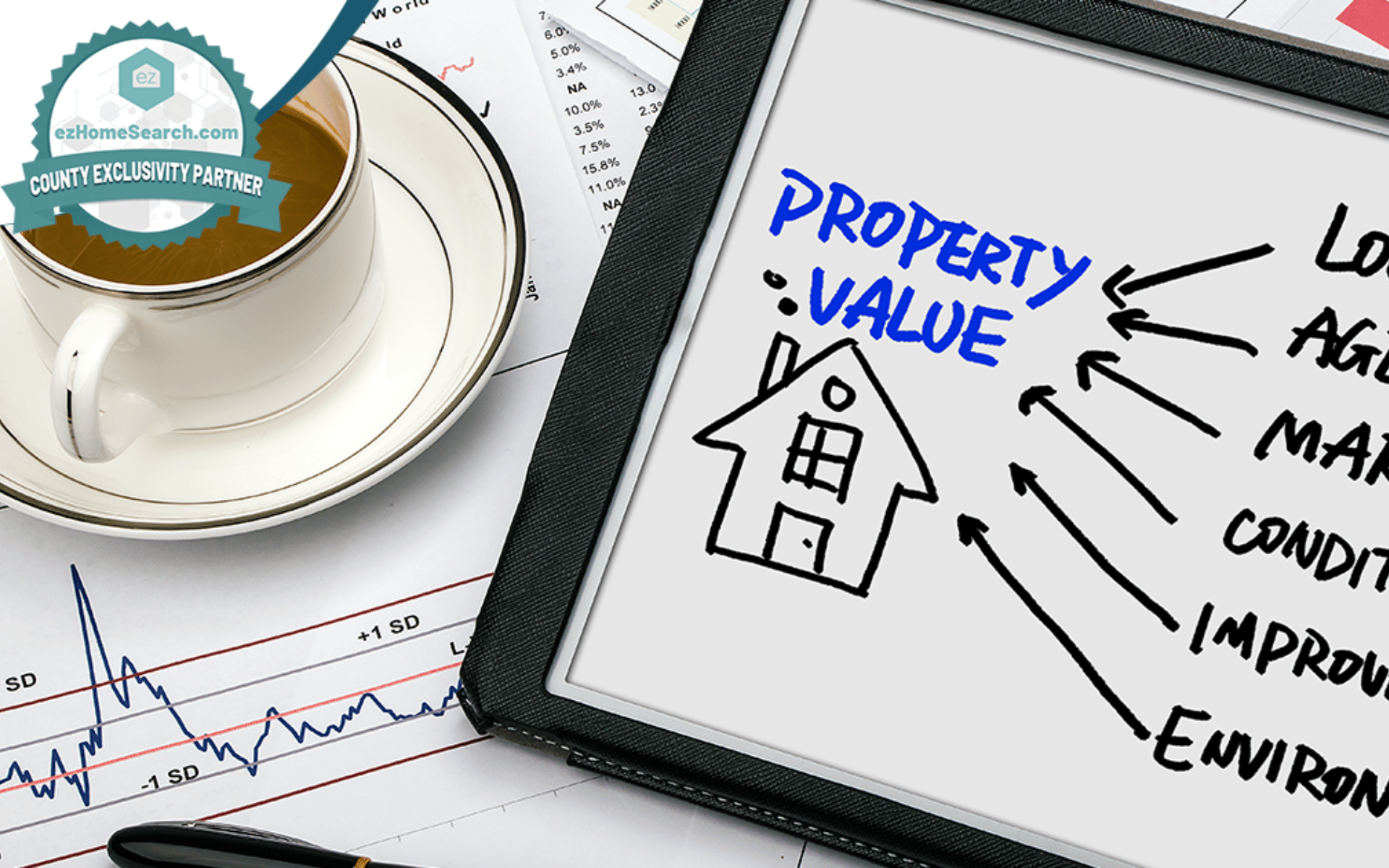
Before the Home Visit: Do Your Homework
Before you walk through that front door, a little prep can go a long way. What you do before the visit helps you stay focused during it and can keep you from wasting time on homes that won’t work for you in the long run. Here’s how to get your head in the right place before stepping inside.
Research the Listing and Neighborhood
Start with the numbers. Look up the asking price and compare it to recent sales in the same size, style, and neighborhood. If the price feels high, see if the home offers anything extra (new roof, larger lot, updated systems). If it’s low, ask yourself why.
Next, zoom out. What’s the neighborhood like? Pull school ratings, check walkability scores, and look at local crime data. If you’re moving with kids, school zones matter. If you’re a commuter, traffic patterns might change how you feel about the location.
Also, check for planned developments. A new grocery store or transit hub nearby could boost long-term value, while a pending highway expansion might bring more noise than you’d like.
Bonus tip: Do a quick drive-by before the visit. You’ll spot things that listing photos can’t show, like how close it sits to neighbors, how the yard slopes, or whether the street feels safe and well-kept. Sometimes, one pass is enough to know if it's a no.
Review the Listing for Red Flags or Gaps
Read the listing closely. Is it saying a lot... without actually saying much?
Phrases like “cozy,” “lots of potential,” or “waiting for your personal touch” can be code for “small,” “dated,” or “needs work.” Not always, but enough that it’s worth reading between the lines.
Watch for listings with very few photos, or ones that skip the kitchen and bathrooms entirely. That could signal that updates are overdue or that the seller doesn’t want you to see something before you visit. Also, if no year is listed for major systems (roof, HVAC, water heater), make a note to ask.
Dig a little deeper if you can. Check how long the property’s been on the market, whether there have been price drops, and if it's been listed more than once in the past few years. A long or bumpy sales history could mean hidden problems.
One more thing: If the home is part of a homeowners’ association (HOA), look into fees, restrictions, and how well-funded the reserves are. Rules or extra costs can quickly change whether a place fits your lifestyle or your budget.
Prepare a Home Tour Checklist
When you’re touring multiple homes, things blur together quickly. That’s why a simple checklist based on your priorities can make the visit more productive.
Some buyers focus on layout and flow. Others care most about natural light, closet space, or room for future upgrades . Create a list that reflects what matters to you, then print it out or keep it in your phone.
Use it to score each home the same way. That way, you're not just relying on memory or emotions; you’re making side-by-side comparisons that help you spot real value.
What To Look for During the Buyer's Open House
An open house is your chance to investigate a property in real time. Here's how to see past the fresh paint and polished surfaces and focus on what really matters.
First Impressions: Entry, Exterior, and Curb Appeal
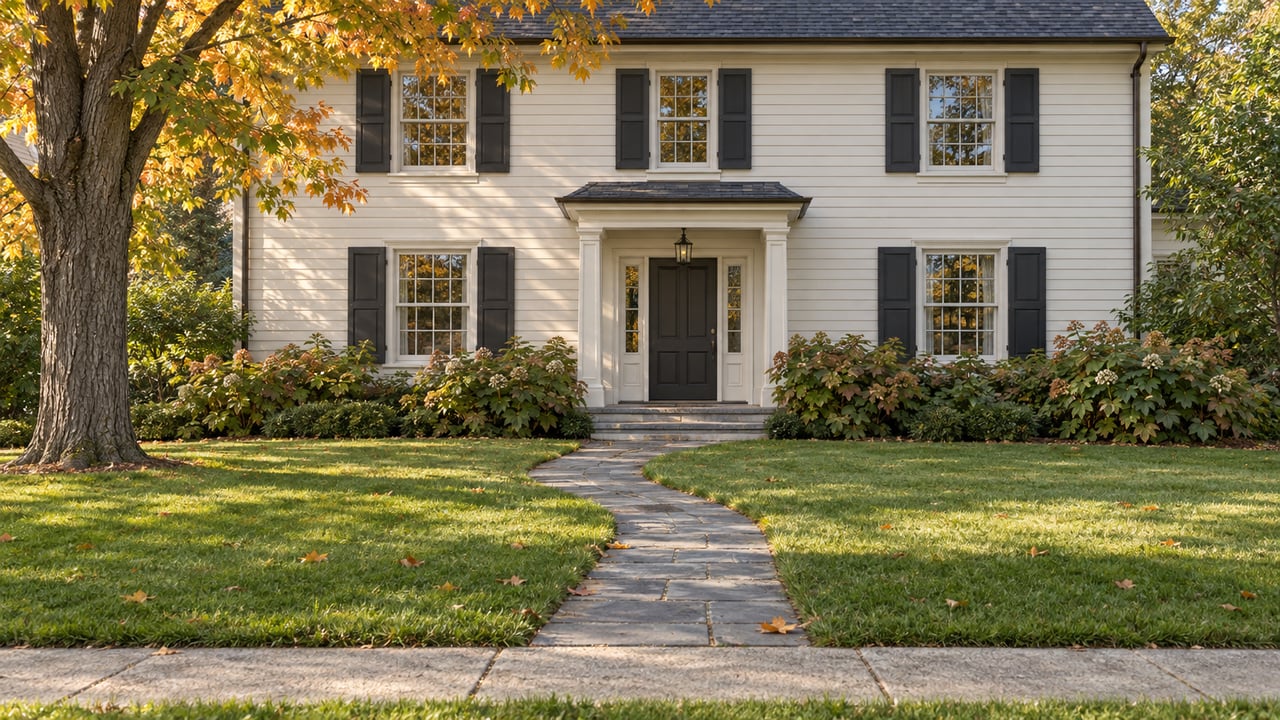
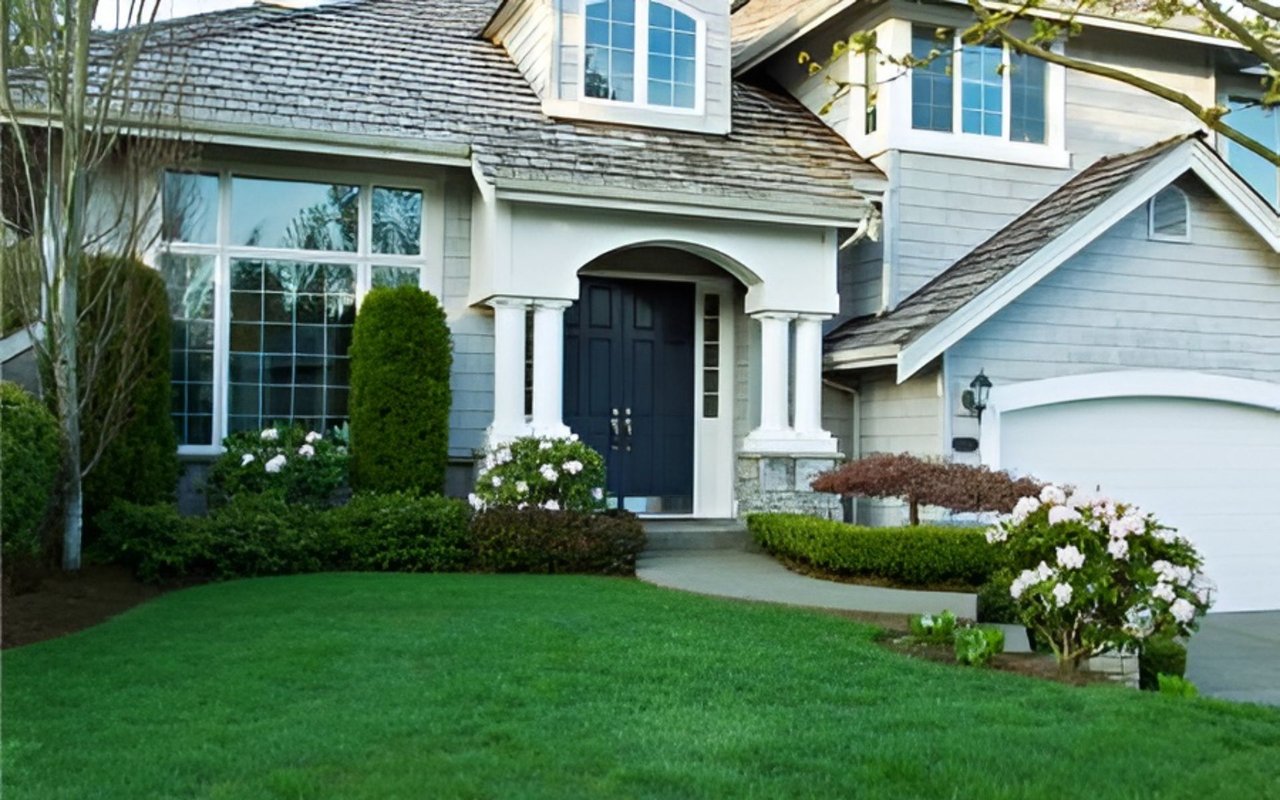
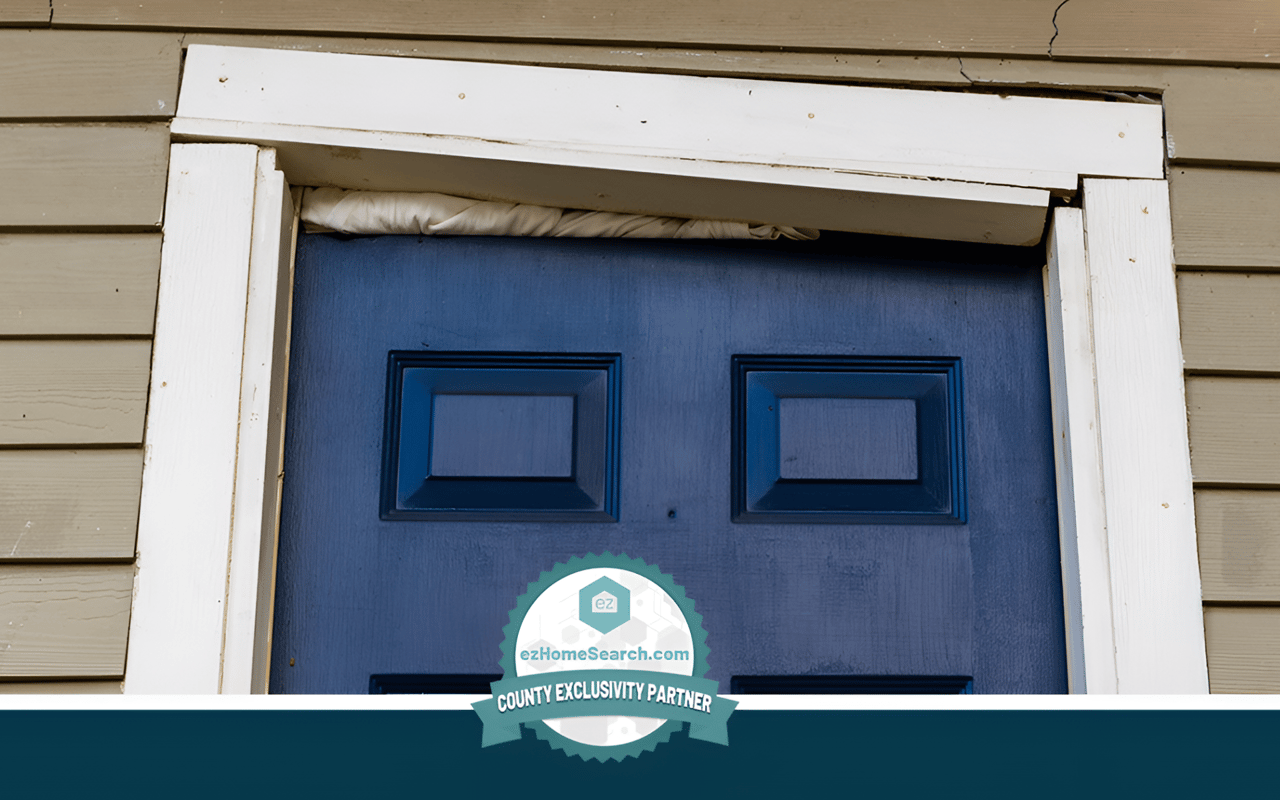
Before stepping inside, take a moment to assess the home's exterior. A tidy lawn, a solid front door, and clean walkways can signal overall maintenance. On the flip side, chipped paint, cracked pavement, or overgrown landscaping may hint at neglect. Pay attention to:
- The neighboring properties
- The mailbox and house numbers
- The condition of the siding, roof, and gutters
- The condition of drainage and grading
- Whether the front steps or porch show signs of damage
- Any lingering smells or pests around the perimeter
- The overall driveway and parking space condition
- The sound of nearby traffic and other noises that may affect the living experience
Pay Attention to The Bones of the House
We are referring to the structure and layout of the home you are considering buying. Once inside, try to picture yourself living in the space. Here are some questions you should ask yourself:
- How does it feel as you move through the rooms?
- Does the layout make sense for your lifestyle?
- Are the ceilings high enough, or do rooms feel cramped?
- Are the living areas open and connected, or chopped into awkward segments?
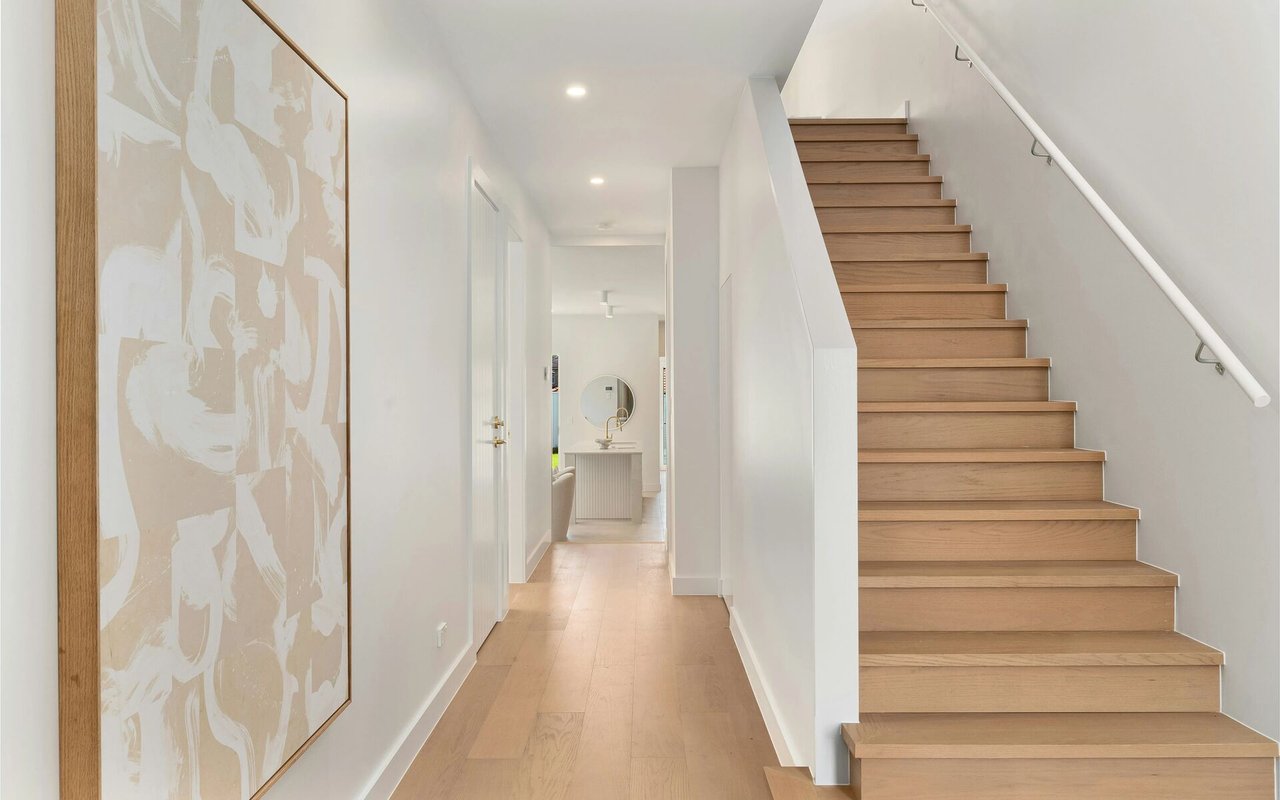
Pay attention to natural light and airflow. And resist getting distracted by clever staging. Look at the actual square footage and how usable it is. Staging can make a small space seem bigger, but it doesn’t add walls, windows, or function.
Plumbing, Electrical, and HVAC Clues
Most buyers don’t think to test the plumbing, and you should not be one of them. A quick look can tell you a lot. Open cabinets under every sink. Is there water damage, mold, or a musty smell?
Run each faucet and check how quickly the water comes out and how fast it drains. Low water pressure, slow drains, or banging pipes can hint at bigger issues behind the walls. Also, flush the toilets and listen for gurgling sounds or prolonged running.
Next, take a glance at the breaker box and exposed outlets. Are they grounded? Are there signs of amateur repairs or wires that don’t look right?
As for heating and cooling, find the vents and feel for airflow. Does every room get circulation? Loud clanking, uneven temperatures, or an HVAC unit that kicks on and off constantly might mean the system is struggling.
Ask the listing agent (or take note, if it’s written in the materials): How old is the water heater? The furnace? These systems typically last 8 to 15 years, and replacing them can cost thousands of dollars. If they’re near the end of their lifespan, it’s something to factor into your budget or your offer.
The Windows and Insulation
Just as with plumbing, windows are often overlooked, but they tell a story. Look for moisture between the panes, which can signal a broken seal and affect insulation.
Try opening and closing a few. If they stick or won’t budge, that could signal foundation shifting or simply poor installation. Stand still and feel around the edges. Drafts are as uncomfortable as they’re expensive. Gaps around old windows mean you’ll spend more on heating and cooling.
Ask if the windows are single- or double-pane. Double-pane options provide better energy efficiency and noise reduction. Also, look for signs of condensation or rot, especially in older wood frames.
If there’s attic access during your visit, take a quick peek up there.
- Can you see the insulation?
- Is it evenly spread, or is it thin in areas?
Poor insulation can potentially affect comfort and be a clue that other maintenance has been neglected, something no potential buyer ever wants.
Look at Floors, Walls, and Ceilings
Floors tell you more than you think. Walk slowly through each room. Do you feel any bouncing, sagging, or sloping? It could be wear and tear, but it could also mean foundation settling, water damage, or issues with subflooring.
Check transitions between rooms, especially if there are different types of flooring. Do they line up cleanly? Are there soft spots underfoot? These could be warning signs.
Look closely at the walls. Hairline cracks are common in older homes and not usually a concern, but horizontal cracks, large gaps, or ones around windows and door frames could be structural.
As for ceilings, anything that looks like a stain or peeling paint deserves attention. Yellow or brown spots often point to past leaks, while bubbles in the paint might signal trapped moisture. Even if the problem has been patched, it’s worth asking what caused it.
Pay extra attention to baseboards, corners, and areas behind furniture. That’s where issues like mold, pest droppings, or untreated damage tend to hide. If something looks off or smells off, trust your gut.
Spotting Value-Add Potential
Some homes may seem easy to scroll past, but for the right buyer, some surface flaws can be an opening instead of a red flag. The trick is knowing where to look. Real value often hides in three places:
- In updates that cost less than they seem
- In spaces that haven’t been fully tapped
- In features that most buyers don’t even notice.
Spotting those patterns is how you find a good house and turn it into a smart buy.
Cosmetic Fixes vs. Structural Work
One of the clearest ways to assess value is by separating what’s easy to fix from what’s expensive to overhaul.
- Cosmetic updates like painting, swapping outdated hardware, upgrading light fixtures, or replacing flooring are usually affordable and impactful.
- A fresh interior paint job might cost $2,500–$6,000.
- Replacing old carpet with something clean and modern could be done for $3–$10 per square foot.
These are surface-level changes that can shift the entire feel of a home without requiring heavy time or money.
But structural repairs are another story. A roof that needs replacing could run well over $20,000. Updating plumbing or rewiring an older home can quickly climb into five figures. These fixes affect safety, function, and resale, and they’re rarely optional.
As a buyer, the question becomes: Can I handle this, or will it break my budget? If the bones are solid and the problems are mostly cosmetic, you’re looking at a chance to build value quickly. But if the home has major systems that are past their prime, factor those costs into your offer or keep looking.
And while surface-level updates can help you build value, the real jackpot is finding extra space you can make your own.
Bonus Spaces with Upside
The next place to find hidden value? Square footage that isn’t finished yet... but could be.
Unfinished basements, attics, oversized garages, or backyard sheds are potential. You might not renovate them right away, but having that space gives you options: a guest suite, a home office, a rental unit, a creative studio.
In many cases, you’re one remodel away from significantly increasing usable space and with it, future resale value.
Outdoor space counts too. Large lots, side yards, or alley access can open the door to additions or accessory dwelling units (ADUs). But check what’s allowed. Zoning laws, city permits, and HOA rules vary wildly. One neighborhood might welcome an ADU. Another might block it entirely.
Still, if expansion is possible and legal, it’s often a major win in competitive markets where extra square footage is scarce.
Of course, not every upgrade has to be a renovation. Sometimes, the most valuable features are already built in; you just need to notice them.
Undervalued Features Buyers Often Miss
Smart buyers look for value that’s already there, even if it’s not advertised front and center.
Double-pane windows, solar panels, upgraded insulation, tankless water heaters, and modern HVAC systems don’t always make the listing headlines. But they should.
These features can save you thousands over time in energy costs, repairs, and system replacements. A newer roof with a transferable warranty? That’s peace of mind and a selling point later.
Tech matters, too. Homes prepped for fiber internet, equipped with smart thermostats, or wired for EV chargers are becoming more desirable as remote work and electric vehicles grow more common. These are not just posh upgrades, they’re meaningful.
Even design details like great natural light, a flexible layout, or a home that’s well-situated on the lot (think privacy or southern exposure) can quietly set a property apart and help it hold value better in a shifting market.
What Not to Overlook (But Many Buyers Do)

In the excitement of touring a home, it’s easy to focus on the big things (the kitchen, the bathrooms, the floors). But some of the most important details are the ones buyers tend to skip. They’re not flashy.
They don’t photograph well. But once you move in, they can make a huge difference in how the home actually lives. Here are a few things worth paying attention to, even if they don’t jump out right away.
Storage and Closet Space
It’s not something you’ll see in a listing headline, but it matters more than you think. Are the bedroom closets deep enough? Is there a linen closet? A place to stash cleaning supplies? If you're touring a home that looks tidy, ask yourself: Where is everything hidden?
Lack of storage leads to clutter, and clutter makes even the nicest home feel smaller than it is. Walk through with a realistic eye for how your belongings will fit.
HOA Rules and Restrictions
If the home is in a planned community or condo complex, don’t assume you can just make changes freely. HOAs often come with rules –some strict, some reasonable– that regulate everything from paint colors to whether you can park a truck in the driveway.
Make sure you ask for the latest copy of the HOA guidelines and understand the monthly fees, what’s covered, and what’s not. It’s also worth asking how often fees go up and whether the association has solid financial reserves.
These factors can affect your budget and freedom in ways that aren’t obvious at first.
Natural Light at the Right Time of Day
A home might look bright and airy at noon, but what’s it like in the morning or early evening? Pay attention to how the light moves through the home.
South-facing windows tend to get the most light, while north-facing rooms can feel dim, even during the day. If you can, visit the home at different times—or simply look for clues like where shadows fall and which rooms feel warm vs. cool.
Etiquette and Strategy During the Buyers’ Open House
An open house might feel informal, but what you say, do, and notice, from how well you assess the property to how seriously you’re viewed as a buyer, can influence everything. It’s not just a walk-through but a soft first move. To approach it with confidence and intention, follow these tips:
Take Your Time, Stay Focused
Move through the home at your own pace, but stay intentional. Linger in the rooms that matter most to your lifestyle. Open closets, walk the perimeter, and make mental (or written) notes about layout, light, and condition.
Touring with kids or family? Keep the group respectful and low-distraction—it helps everyone stay focused and shows courtesy to others.
Assume You're Being Watched and Heard
Many homes now have Ring doorbells, indoor cameras, or audio monitoring. Don’t comment on the asking price, renovation ideas, or your level of interest until you’ve left. If you wouldn’t want the seller to hear it, save it for a private follow-up with your agent.
And if the seller is present during the open house? Keep conversation light and brief. No questions about price flexibility or renovation history, treat it as a hello, not a negotiation.
Ask Smart, Targeted Questions
If a listing agent is on-site, ask the right things. Just enough to gather insight, not so much that you reveal your strategy. Try:
- How long has the home been on the market?
- Have there been any recent offers or price reductions?
- When were major systems (roof, HVAC, plumbing) last replaced?
- Are there disclosures or known issues?
Let your agent handle anything beyond that. Keep your questions sharp but neutral.
Be Aware of the Surroundings Inside and Out
Watch how other buyers move through the space. Are they lingering in key rooms or breezing through? This tells you how competitive the listing may be.
Also: pay attention to the street. Is there a lot of foot or car traffic? Are neighbors outside, and does the area feel active or peaceful? And if you’re visiting alone, just send a quick text to a friend. Open houses are safe, but it’s smart to stay aware.
Follow Up Like a Serious Buyer
If the home stands out, act promptly. Ask your agent to request the seller disclosures, review comps, or inquire about the seller’s timeline. If the home feels right, momentum matters.
Red Flags That Signal a Second Look or a Quick Exit

If something feels off during a home visit, it probably is. Here are the signs that should make you pause or walk away.
1. Overpowering Scents: Strong candles, plug-ins, or air fresheners in every room may be covering up mildew, pet odors, smoke, or musty moisture problems. A home that smells too nice deserves a closer sniff.
2. Fresh Paint in Isolated Spots: One newly painted ceiling or a single fresh wall? That’s often a cover-up for water stains, smoke damage, or patched cracks, not just a cosmetic refresh.
3. Uneven or Sticky Doors: Doors that won’t shut properly, or floors that feel uneven, far from humidity can be signs of foundation shifting or framing issues.
4. Unusual Room Layouts: A bedroom with no closet, a bonus room that feels like a leftover space, or oddly narrow hallways might signal DIY construction or unpermitted changes.
5. Mismatched or Cheap Finishes: A sleek new bathroom stuck between outdated rooms? Mismatched flooring transitions? These can point to rushed or piecemeal upgrades and possibly work done without permits.
6. Exposed Wiring or Sloppy Electrical Work: Look for missing outlet covers, dangling wires, or switches that don’t do anything. These are clues of amateur electrical jobs that may not be up to code.
7. Drainage Issues Outside: Pooled water near the foundation, soggy patches in the yard, or erosion marks near downspouts suggest poor drainage, something that can lead to mold or foundation problems over time.
8. No Permits for Recent Work: If you notice renovations, ask about permits. Unpermitted upgrades (even something like a bathroom remodel or wall removal) can become your liability down the line.
9. Rooms That Feel “Too Cold” or “Too Warm”: Uneven temperatures between rooms can point to HVAC issues, poor insulation, or duct problems, not just a thermostat setting.
10. The Agent Dodges Your Questions: If you ask about something odd and get vague answers or a quick change of subject, take note. Evasiveness is a red flag in itself.
Final Thoughts: Your Eyes Are Your Greatest Asset
Previewing a home is about liking what you see, but most of all, it should be about noticing what others don’t.
From spotting cosmetic opportunities to catching red flags, the most prepared buyers are the ones who look beyond staging, slow down, and ask thoughtful questions. Every home tells a story. The more observant you are, the better you’ll understand what that story means for your budget, your lifestyle, and your future.
Take notes. Trust your instincts. And if something doesn’t feel right, it probably isn’t.
Because at the end of the day, your most valuable tool isn’t your agent, your pre-approval, or your checklist; it’s your eye for detail.
About the Author: Preston Guyton is the founder of ez Home Search. He has been a real estate leader for over 20 years. Starting with a focus on South Carolina, he has helped coach and empower real estate professionals to achieve their full potential by meeting the needs of their local community.