Buying a home in Allentown, PA, is an investment in your future. The gleam of fresh paint, charming historic architecture, or a sprawling backyard might catch your eye. Beneath it all lies the most important part of any home: the foundation. After all, a house is only as stable as the ground it’s built upon.
Foundation issues in a home create safety hazards, leading to costly repairs and substantial decreases in property value. Spotting red flags during a home inspection prevents a bad purchase–or at least, helps you better prepared for what lies ahead.
Not sure what to look for when it comes to foundation problems? Don’t worry—we’ve broken it down for you step by step, with some Allentown-specific insights sprinkled in along the way.
Common Signs of Foundation Issues
A few cracks in the wall are not always a cause for dismissing the home as a potential purchase. Homes do settle over time; the older the home, the more likely there have been some foundation shifts. The difference lies in knowing when those hairline cracks signal big problems.
Cracks in Walls and Floors
Not all cracks are created equal! Normal soil setting causes the house to adjust, and hairline cracks are a common result. Temperature changes over the seasons also lead to slight cracks in drywall and slightly squeaky floors.
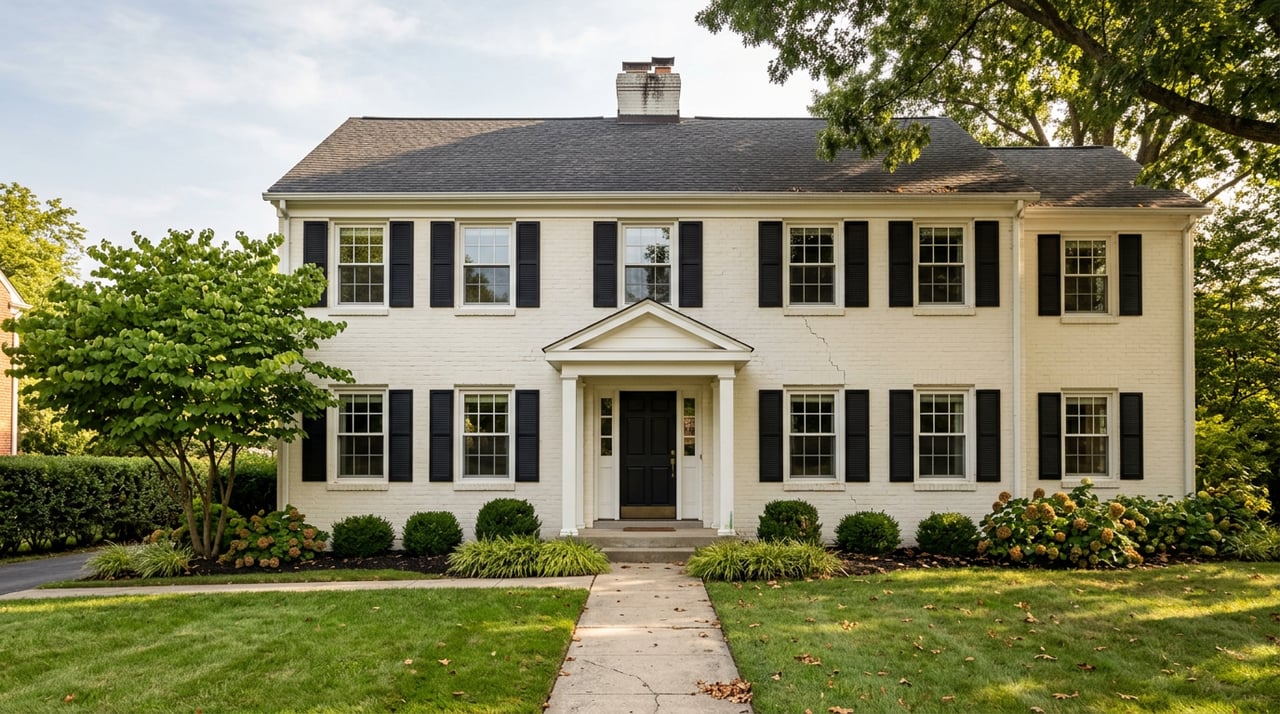
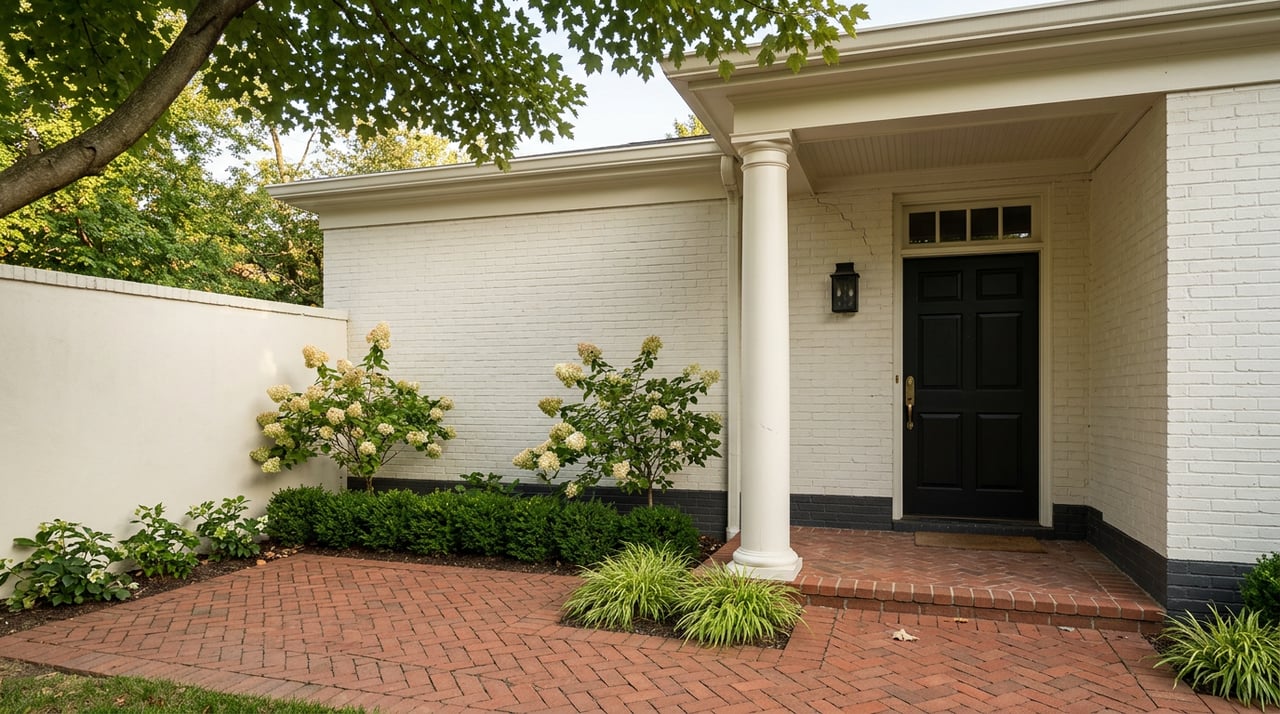
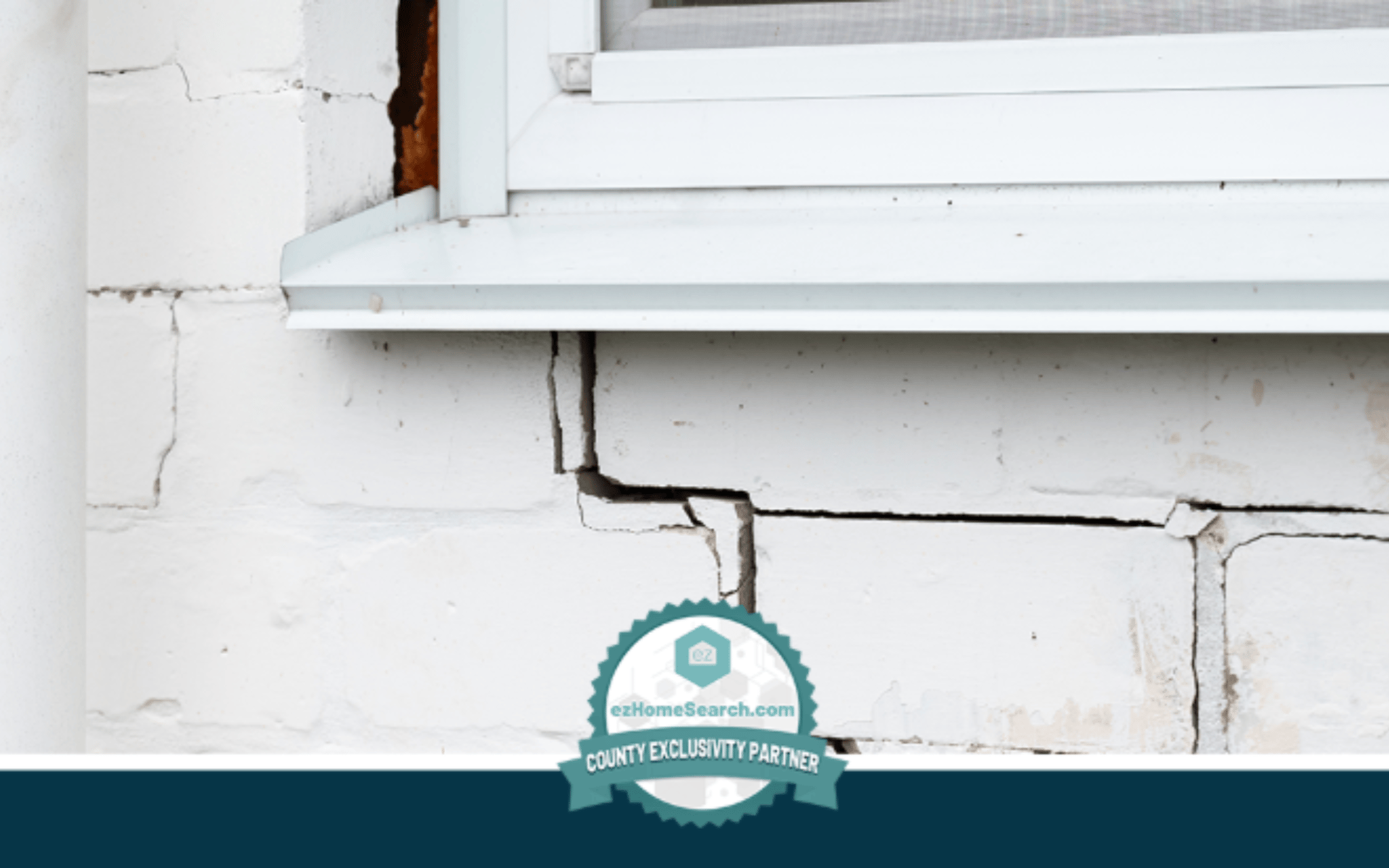
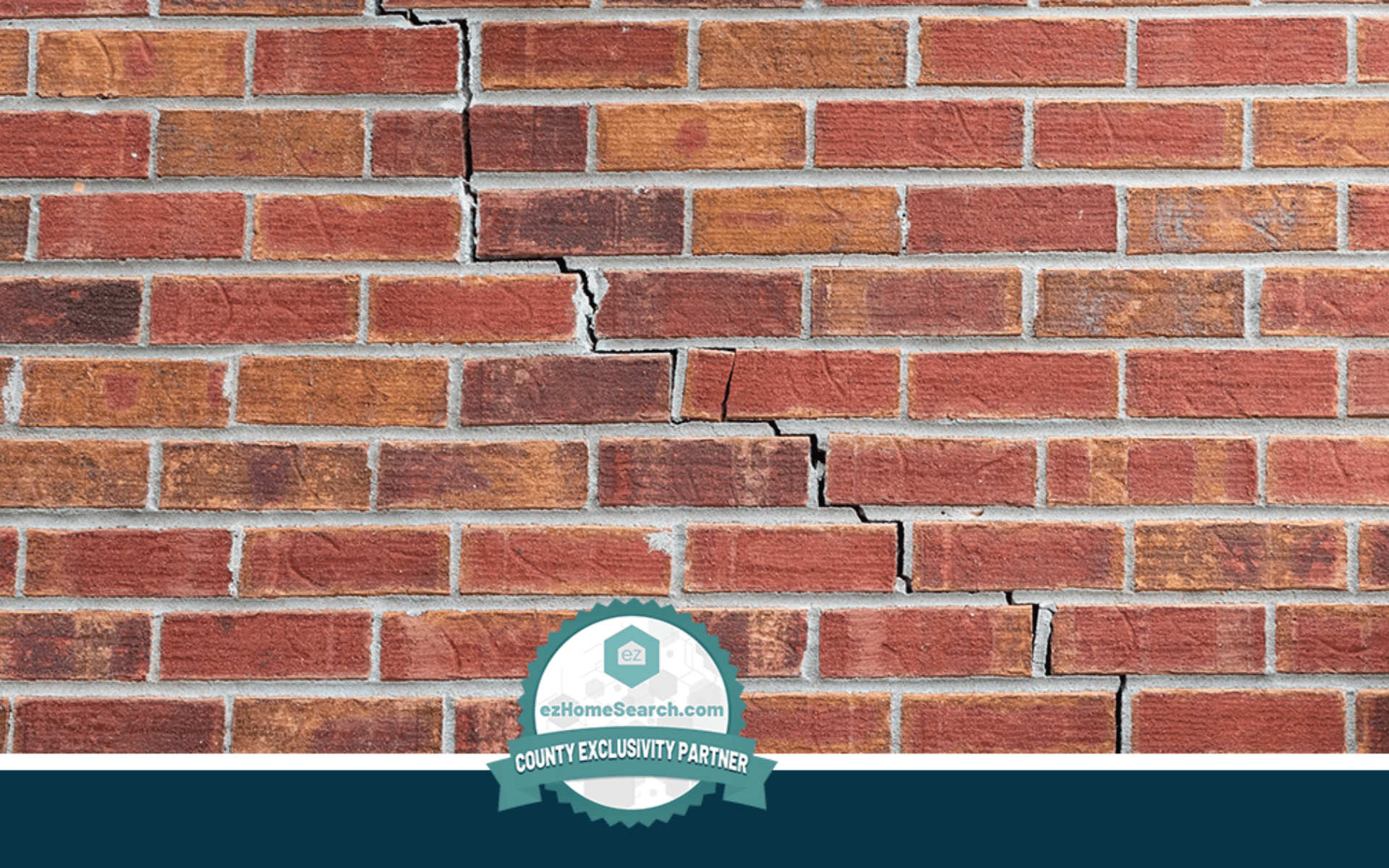
However, cracks running diagonally or horizontally can be serious. These horizontal cracks may indicate shifting or uneven pressure around the foundation.
In addition to direction, any crack larger than 5 millimeters wide also is a cause to investigate further. Quick tip? Carry a coin during your inspection. If a crack is wide enough for the edge of a penny to fit into it, it may deserve a professional evaluation.
Look at basement walls, exposed concrete, and tile floors for these signs of foundation problems.
Uneven or Sloping Floors
Does it feel like you're walking through a funhouse? Uneven floors are a symptom of potential foundation movement. Test floor slopes easily by placing a ball or marble on the floor and seeing if it rolls to one side. Uneven foundation settling happens as the underlying soil shifts or compresses in different ways under the weight of the home.
Doors and Windows That Stick
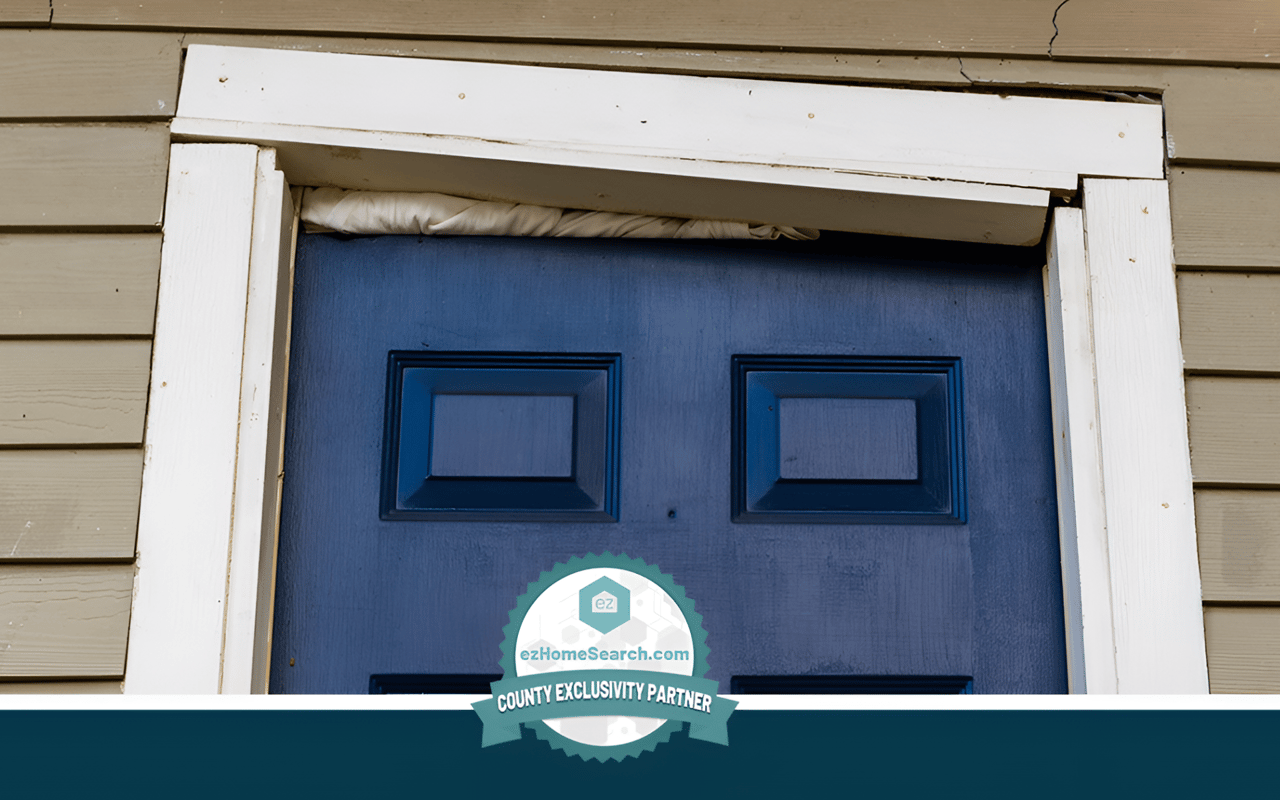
When doors refuse to latch or windows won’t slide easily, your first thought might be, "Oh, they just need a little WD-40." But the problem may run deeper. Shifting foundations puts pressure on frames, leading to sticking doors and windows. If multiple doors and windows behave this way, investigate further.
Gaps Around Doors and Windows
Ever notice gaps between door frames or windowsills and the wall? Expansion and contractions through the seasons lead to slight separations. Think of it like pulling at the corners of a neat puzzle; eventually, the once-snug pieces no longer fit together correctly. Big gaps, with daylight and notable drafts, go beyond normal house settling.
Basement or Crawl Space Moisture Issues
Water is a foundation's worst enemy. Hydrostatic pressure against the home's walls and supports is a common reason for structural shifting. Over time, the water causes basement walls and pylons to bow and crack. It leads to that tell-tale diagonal crack line in the walls through which water finds its way.
Moisture seeping into your basement or crawl space leads to mold, mildew, and shifting soil. Examine these under the home areas for damp spots, discoloration, or that telltale musty smell. Water issues cause a lot of structural damage beyond just a moved foundation.
Understanding Allentown’s Foundation Challenges
Allentown has its quirks when it comes to potential foundation issues. The top reasons a house may show signs of foundation problems:
Soil Composition & Settling
Pennsylvania soil can be tricky. Certain areas in Allentown have clay-based soil, which expands and contracts with moisture levels. The weight of structures on top presses down on the soil when it’s wet and easily pliable. Over time, this movement may cause settling issues, leading to the foundation cracks mentioned earlier.
Weather and Seasonal Changes
Allentown’s freeze-thaw cycles wreaks havoc on home foundations. When water seeps into the ground and freezes, it expands, causing pressure on foundations. Once it thaws, the soil settles again, leaving loose spaces. The constant cycle of freezing and thawing can weaken the integrity of even the sturdiest homes.
Older Homes
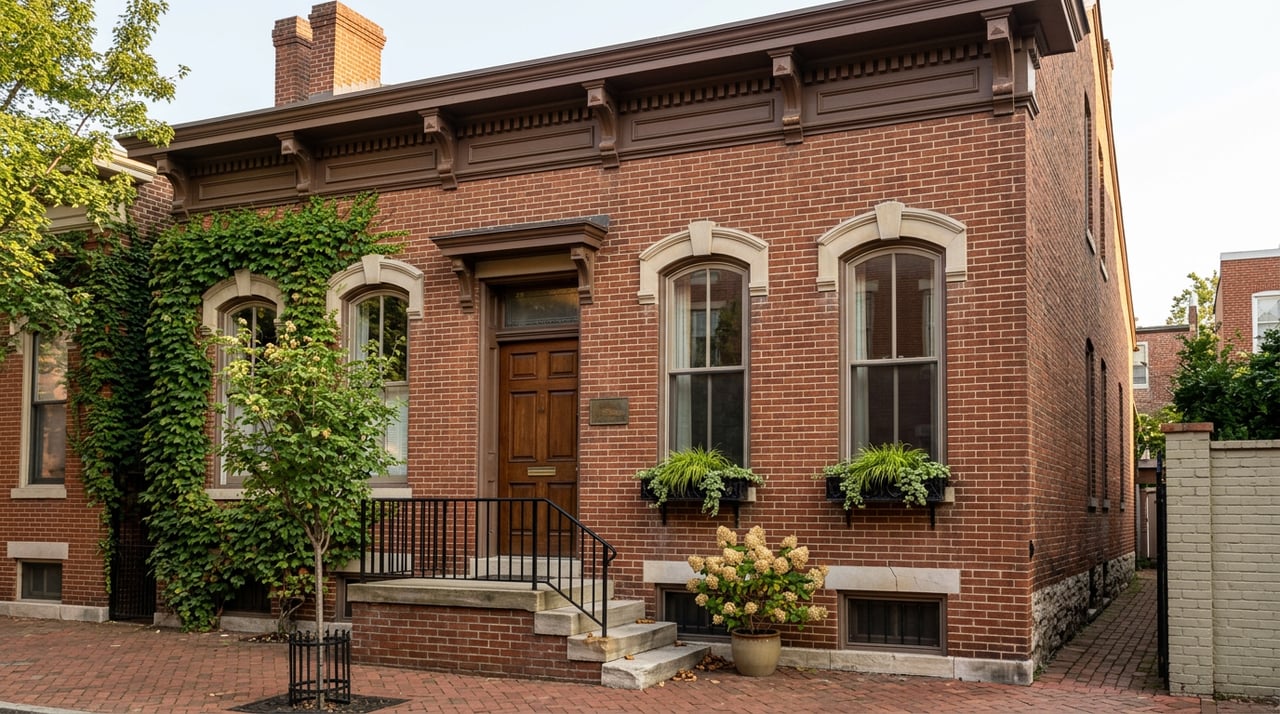
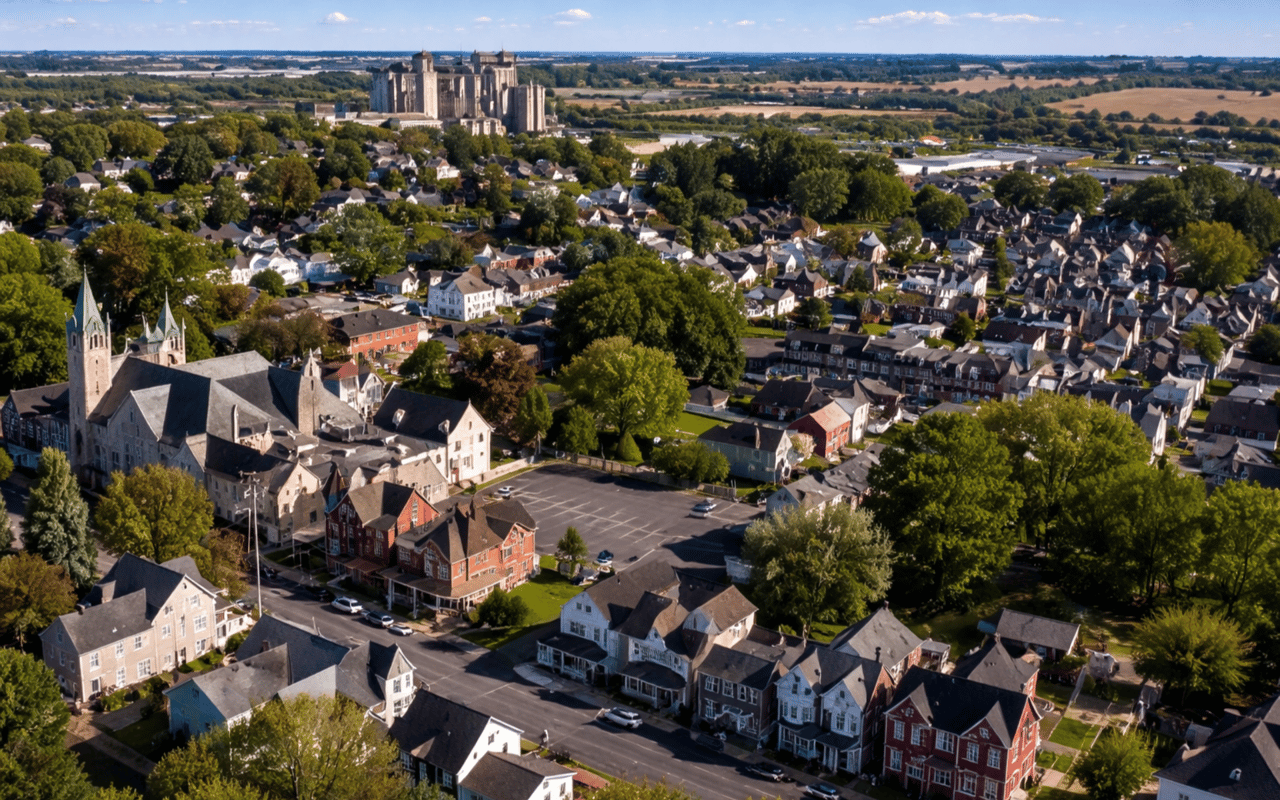
People love the architectural character of Allentown’s historic homes, but these beautiful homes come with a higher chance of structural issues related to the foundation. Time and weather take their toll. The older construction materials may not hold up as well as modern alternatives. Check exterior walls on stone or brick foundations for signs of crumbling or mortar gaps. Bouncy floors and stair-step cracks are other possible signs of foundation issues.
What to Do If You Spot Foundation Troubles
Noticing foundation movement doesn’t mean you should immediately run for the hills. Instead, it’s a call to action to investigate further and understand what needs to be done.
1. Consult a Structural Engineer
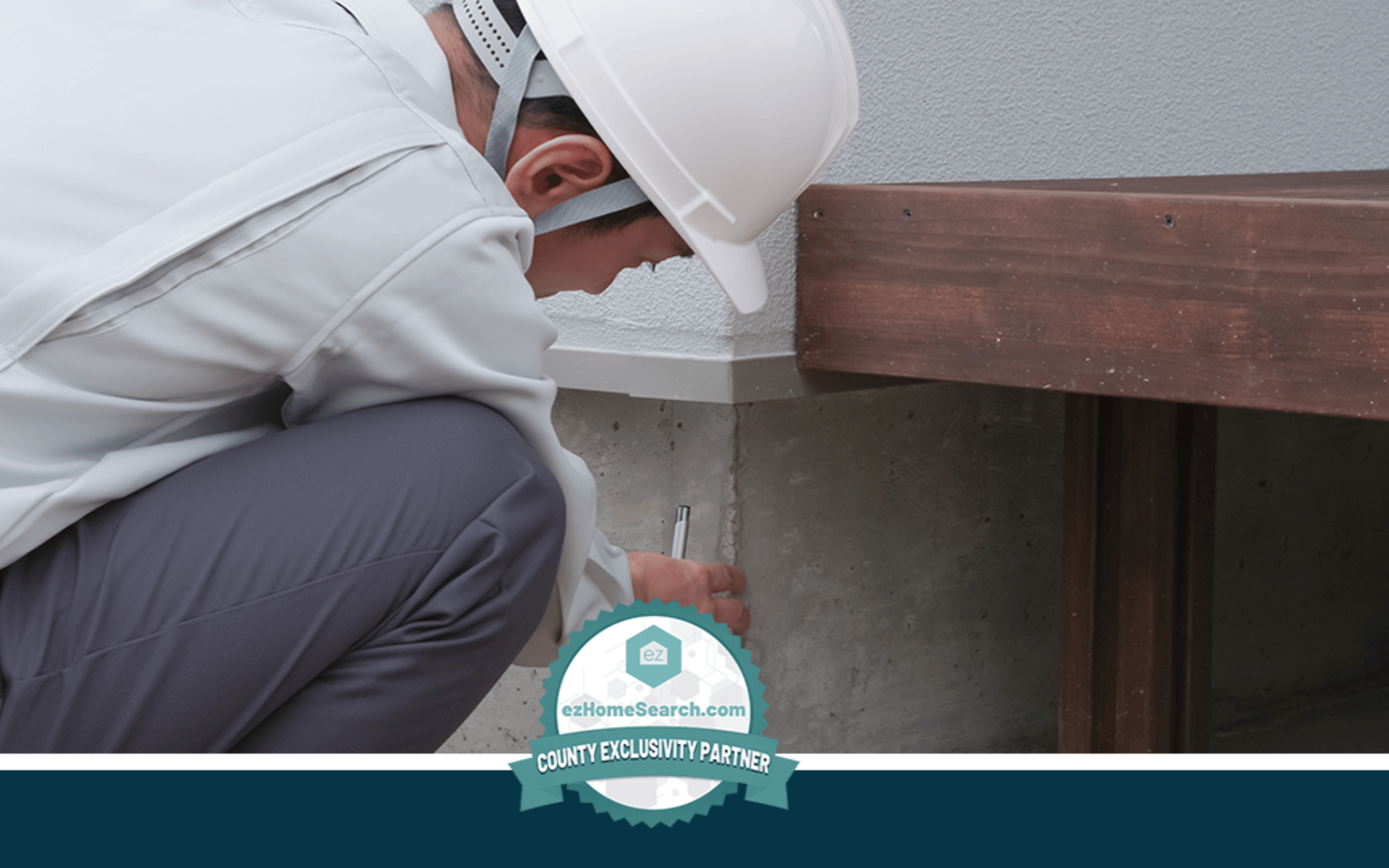
If you notice major warning signs, hiring a structural engineer is your best next step. Unlike general contractors, structural engineers specialize in identifying foundational problems and will provide a detailed report with solutions.
2. Know Your Repair Options
Not every faulty foundation requires dramatic measures. Repairs can range from simple fixes (like injecting epoxy into cracks) or fixing poor drainage around the home to more extensive projects such as installing foundation piers. Be informed about your options and their costs. Consult with a foundation expert on the best way to remedy the structural damage based on the root cause and existing problem.
3. Be a Smart Buyer
Don't shy away completely if you’re considering purchasing a house with potential foundation issues. Instead, negotiate repairs or pricing adjustments with the seller. A comprehensive home inspection and a foundation inspection report can be your best tool in these conversations.
How to Protect Your Investment
A sturdy foundation begins with preparation and ongoing maintenance. Safeguard your home moving forward.
Don’t Skip Professional Inspections
A thorough home inspection before purchase isn't the only time to inspect the home. Make periodic checkups part of your maintenance as a homeowner. Walk around the home from time to time, looking for developing signs of foundation damage. If cracks start growing, call in for professional inspections. Catching issues early saves on a major repair bill later.
Negotiate Repairs or Adjustments
Work with your real estate agent to leverage foundation concerns during negotiation to save you thousands in repair cost. Be reasonable but firm, based on the advice of your structural engineer.
Incorporate Long-Term Maintenance
Simple habits can extend the life of your house foundation. Maintain proper drainage around your home, fix downspouts to divert water away, and monitor trees and shrubs for roots that could disrupt the soil. Pay attention to moisture buildup in basements and crawl spaces.
Get on a Firm Foundation
Living in Allentown has its joys and challenges. Spotting potential foundation trouble is part of protecting your investment as a potential home buyer. Remember, a home with a solid base is steady, dependable, and built to last. Don’t hesitate to consult a professional or share your home inspections with local experts. Potential issues are part of that challenge when buying one of these stunning but aging homes.
About the Author: Preston Guyton is the founder of ez Home Search. He has been a real estate leader for over 20 years. Starting with a focus in South Carolina, he has helped coach and empower real estate professionals to achieve their full potential by meeting the needs of their local community.