Wondering what it’s really like to live in Allentown? If you are weighing a move, comparing neighborhoods, or trying to picture your day-to-day routine here, you are not alone. Allentown offers a mix of housing styles, regional access, and everyday conveniences that appeal to buyers, sellers, and investors alike. This guide will walk you through homes, commutes, and local lifestyle so you can make a more confident move. Let’s dive in.
Why Allentown draws attention
Allentown is Pennsylvania’s third-largest city and the seat of Lehigh County, with an estimated population of 126,044 as of July 1, 2025. It is also a notably diverse city, with 56.3% of residents identifying as Hispanic or Latino, 24.0% foreign-born, and 48.2% of residents age 5 and older speaking a language other than English at home.
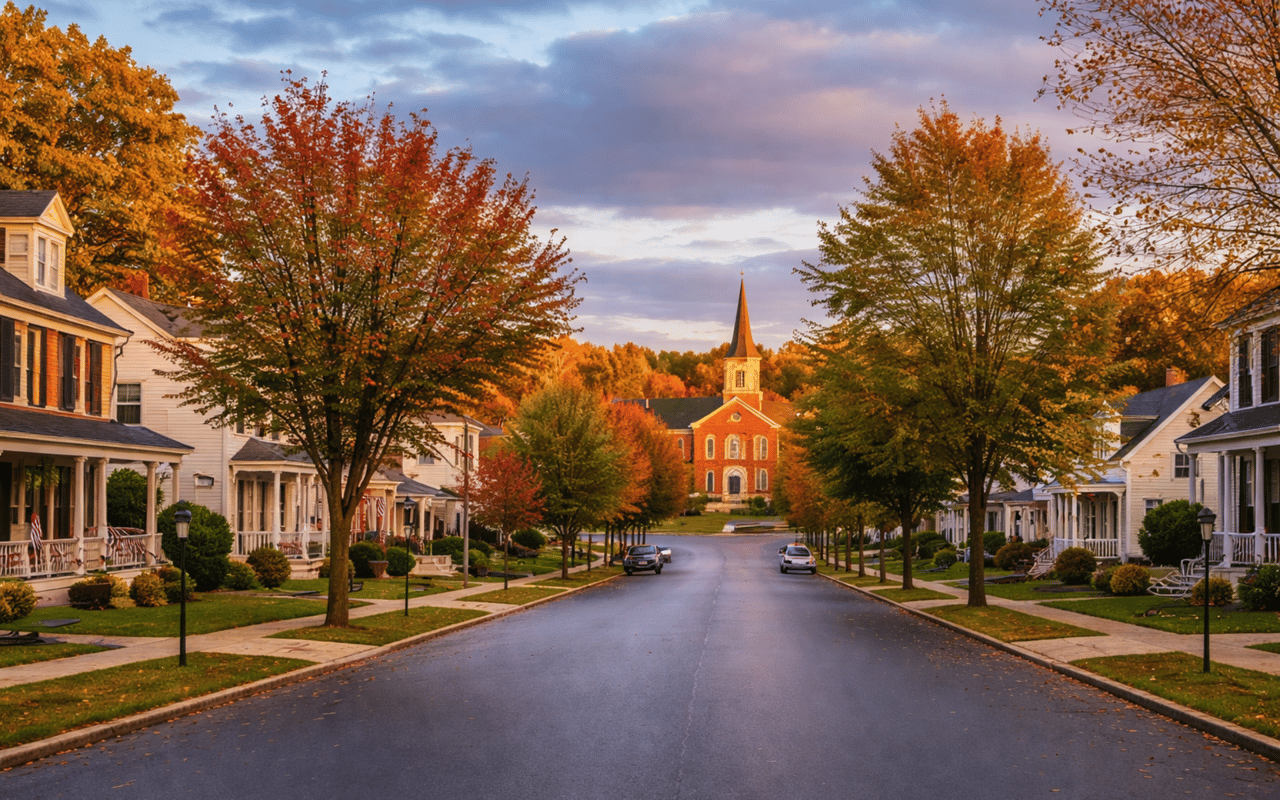
That diversity shows up in daily life, local businesses, and the city’s overall character. You are not looking at a one-note housing market or lifestyle here. Instead, you get an urban setting with varied housing stock, established districts, and strong ties to the broader Lehigh Valley economy.
Allentown homes at a glance
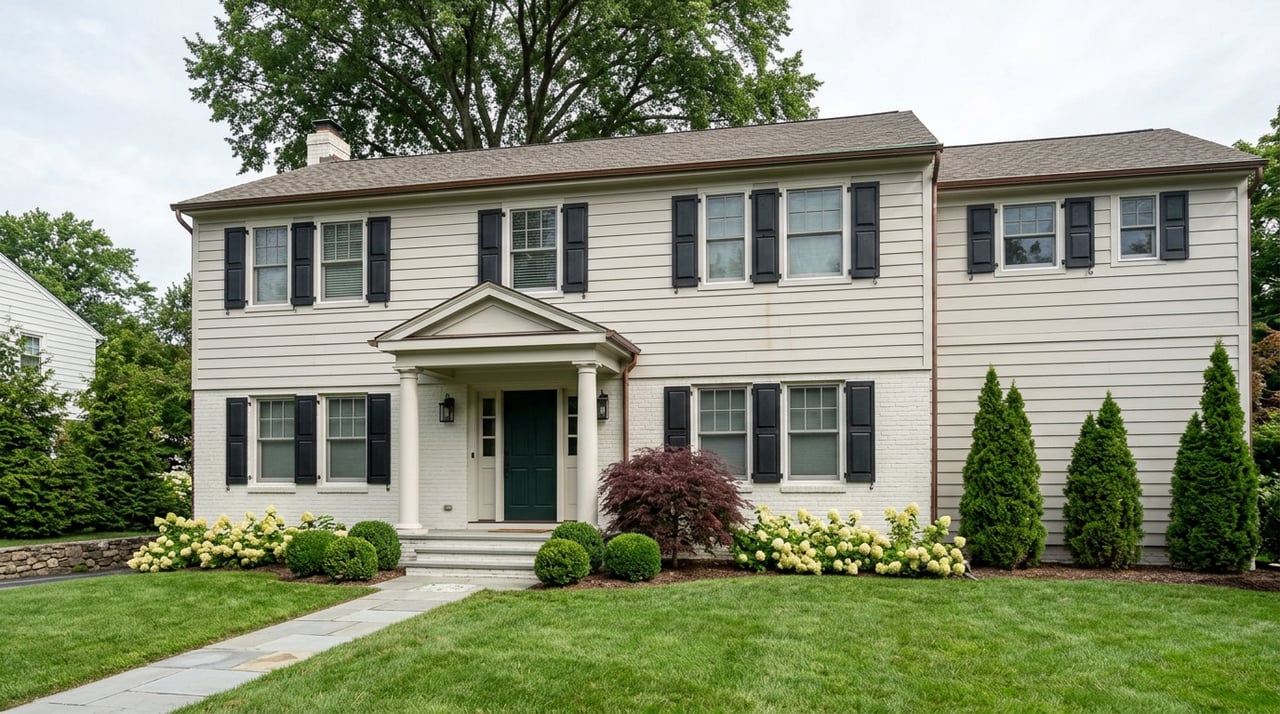
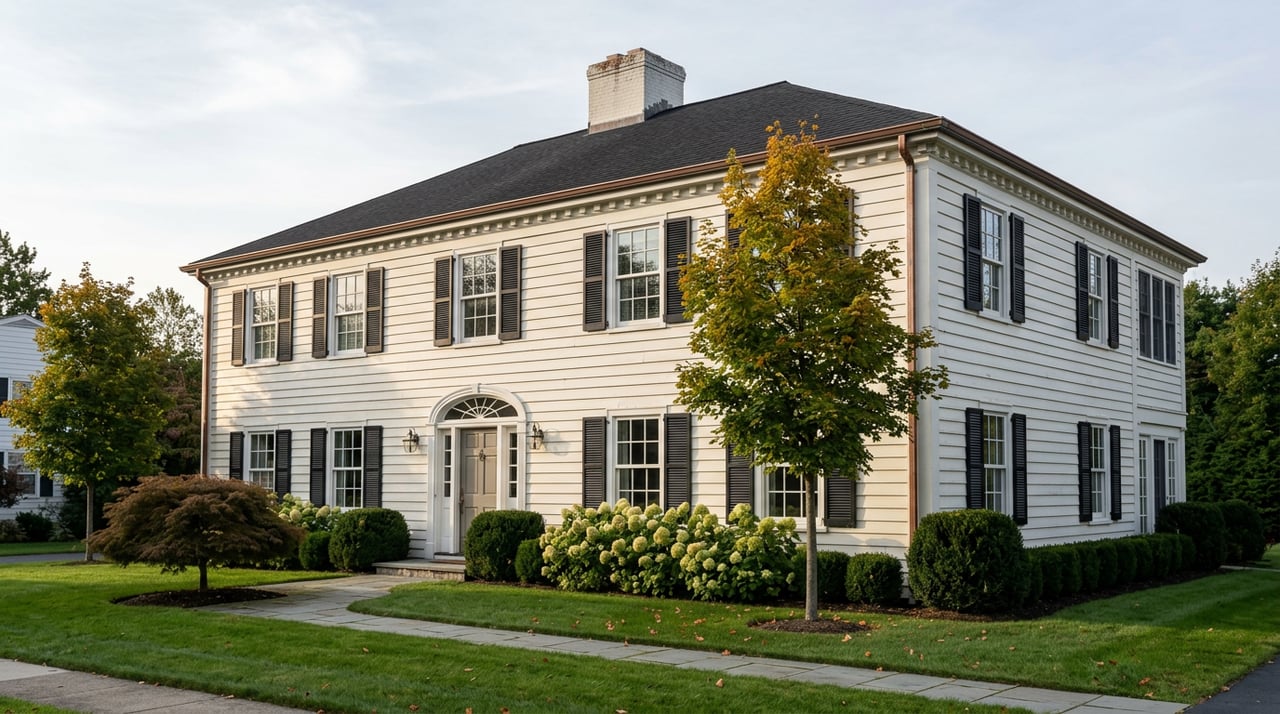
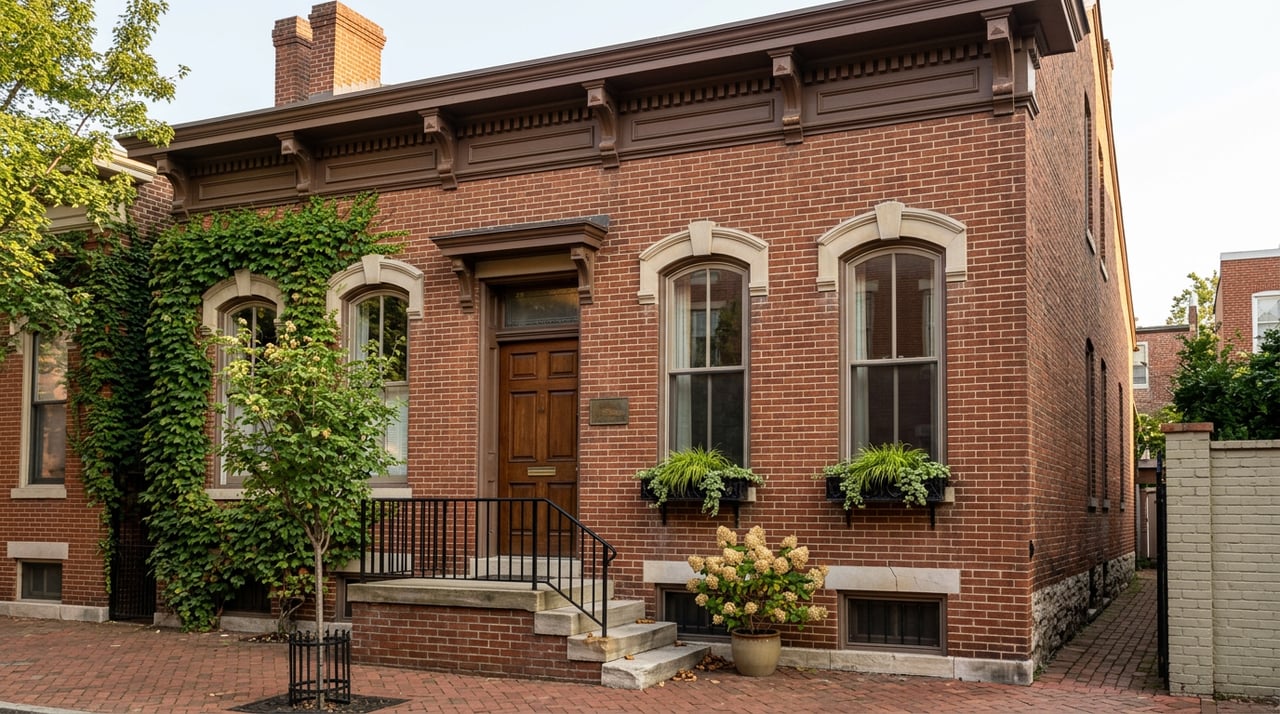
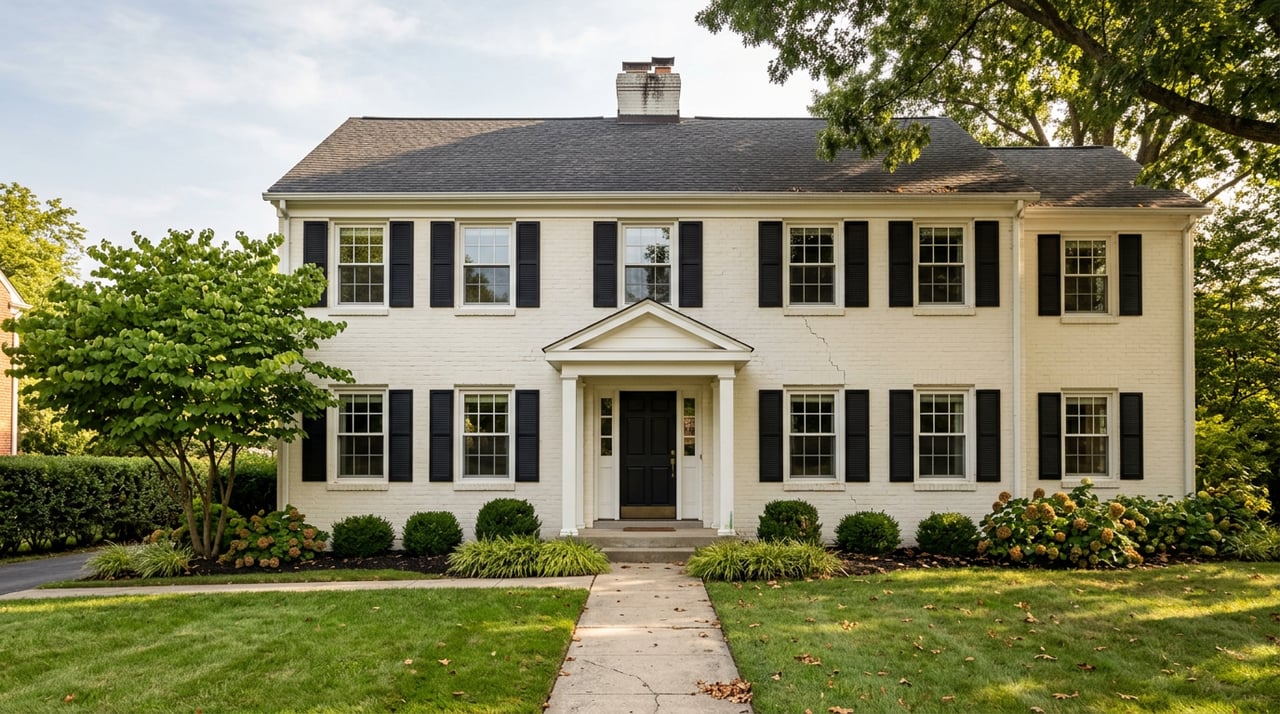
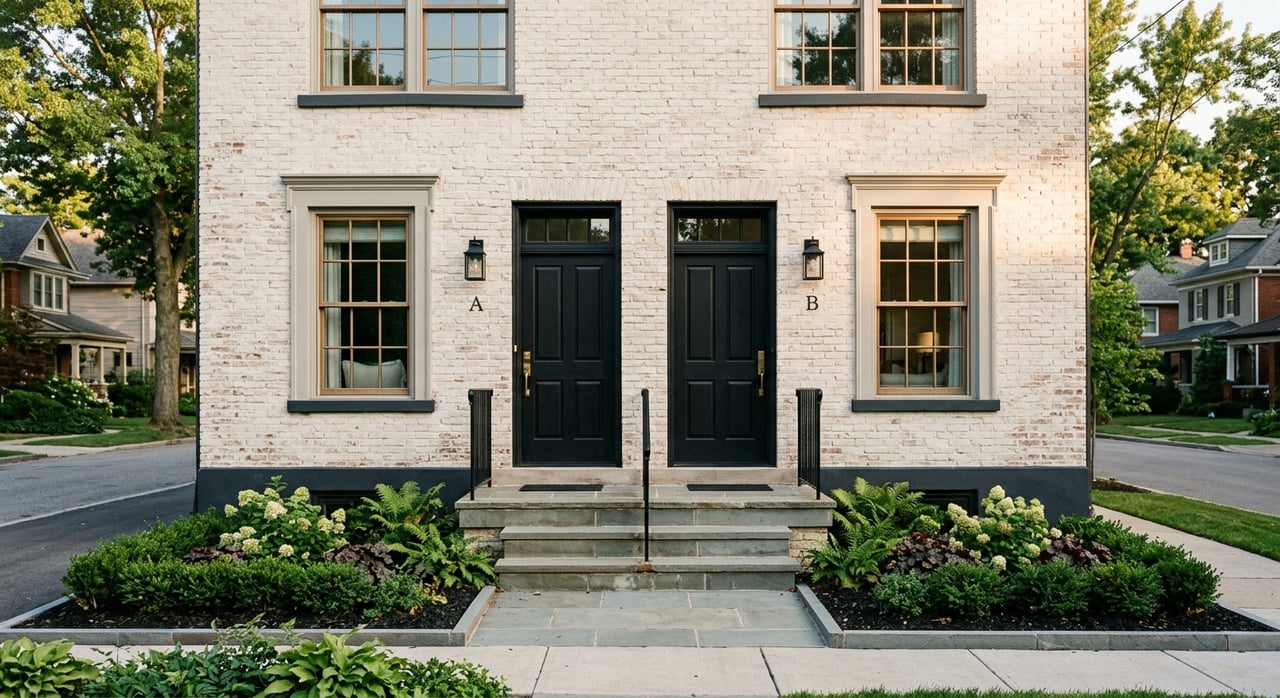
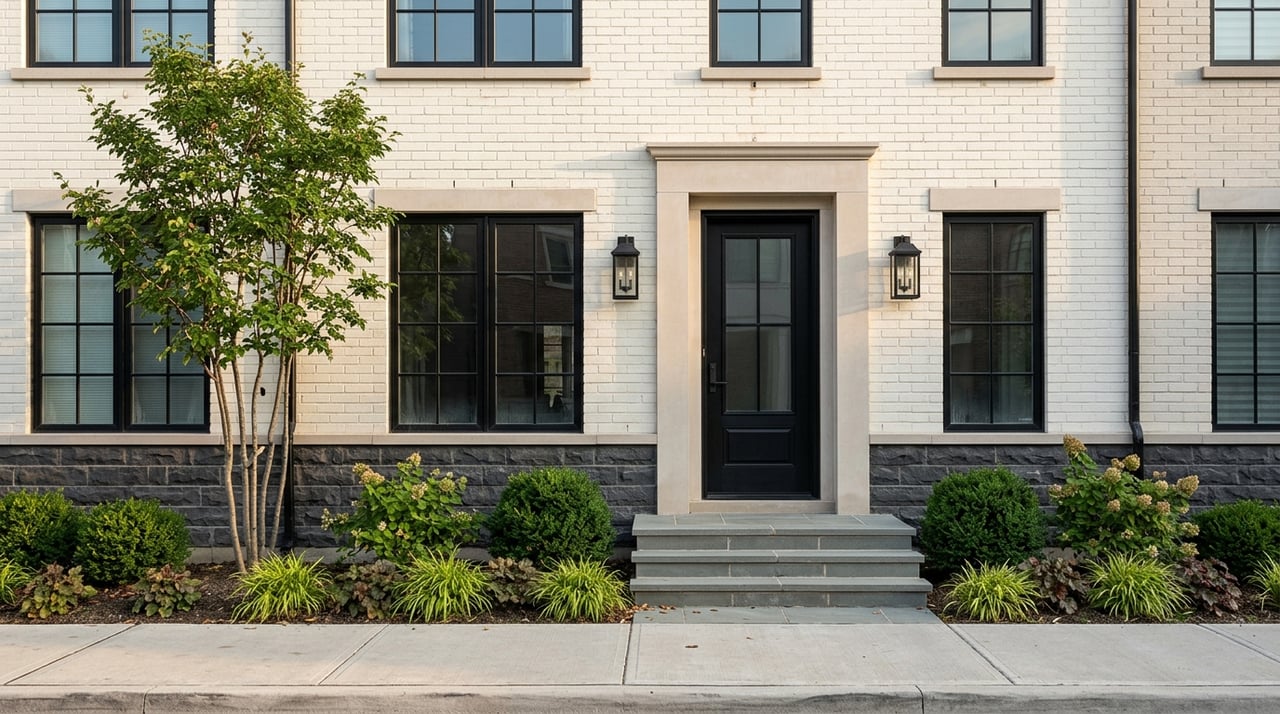
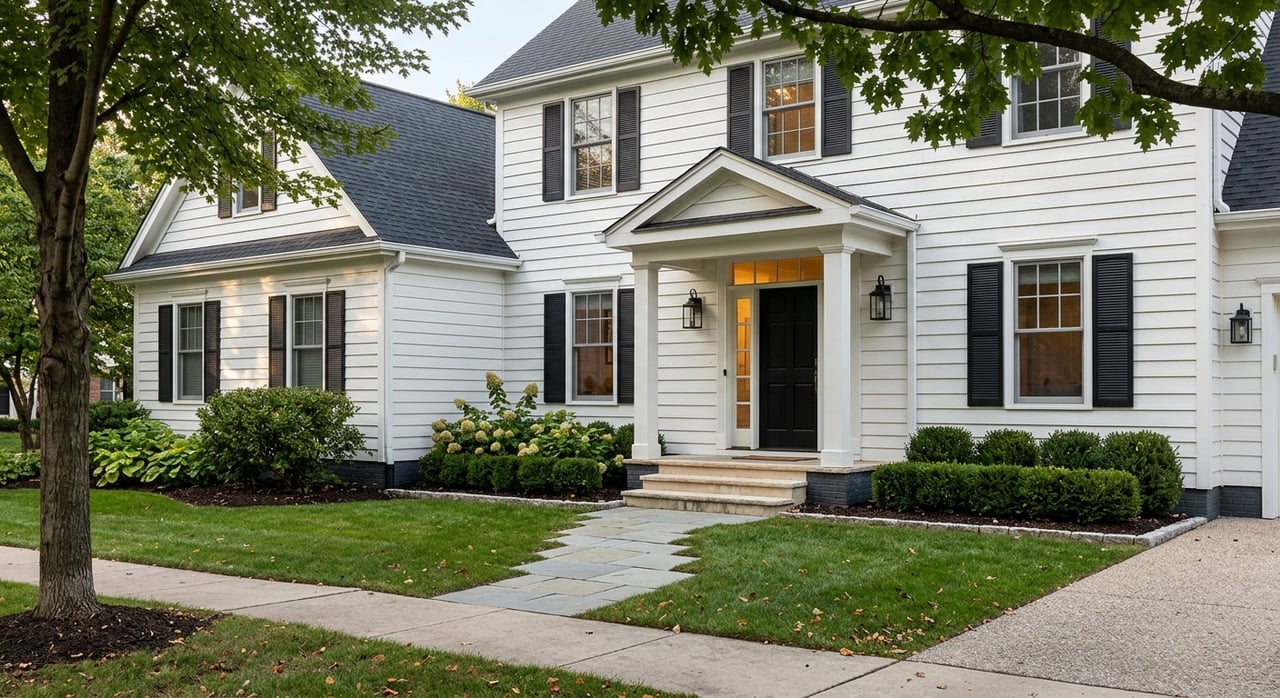
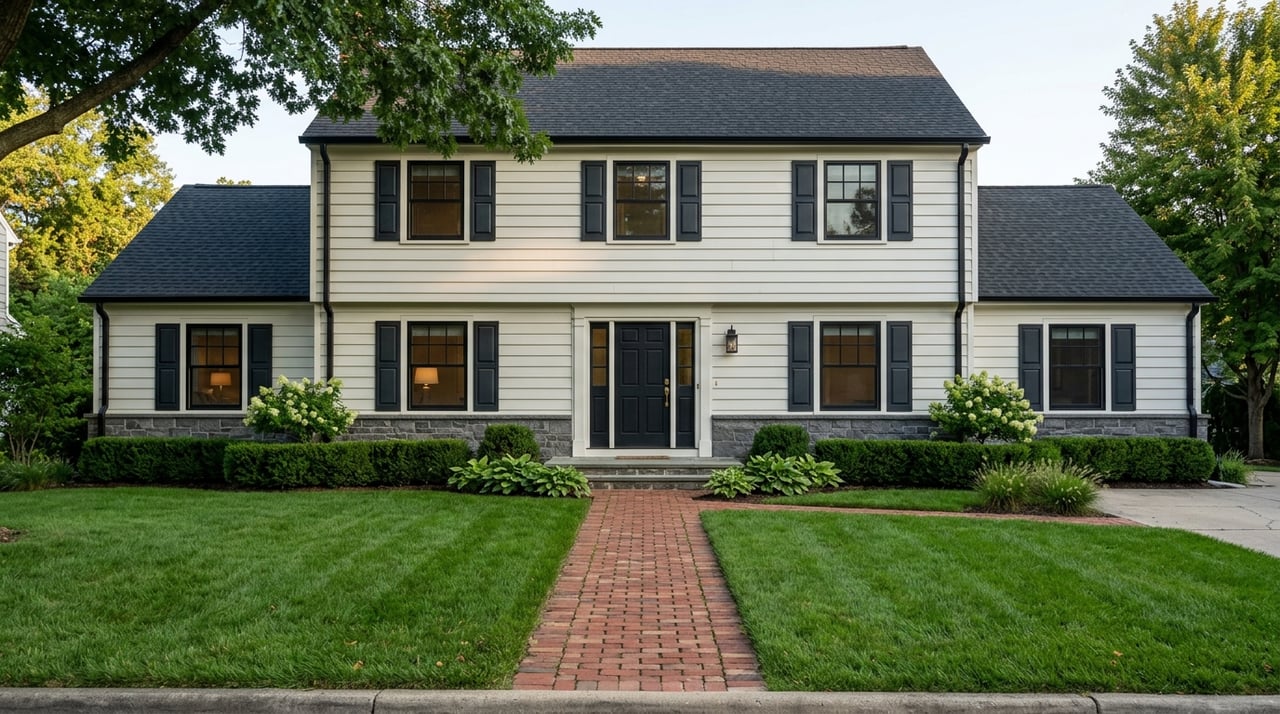
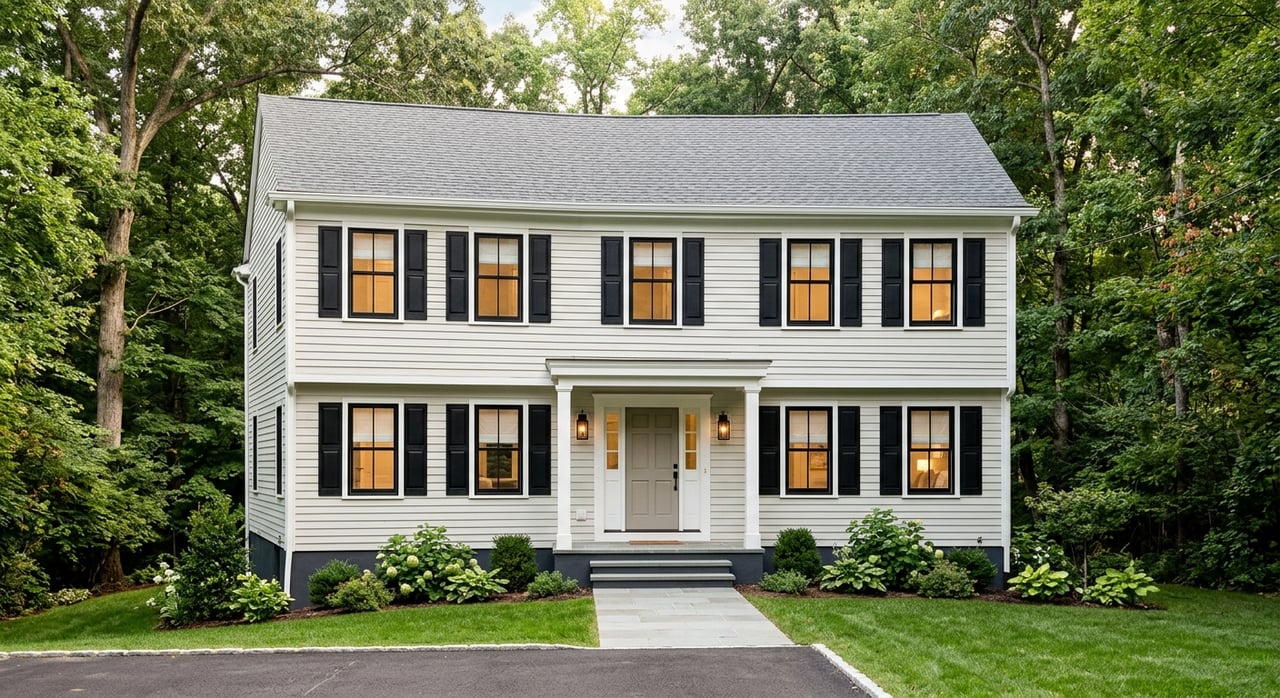
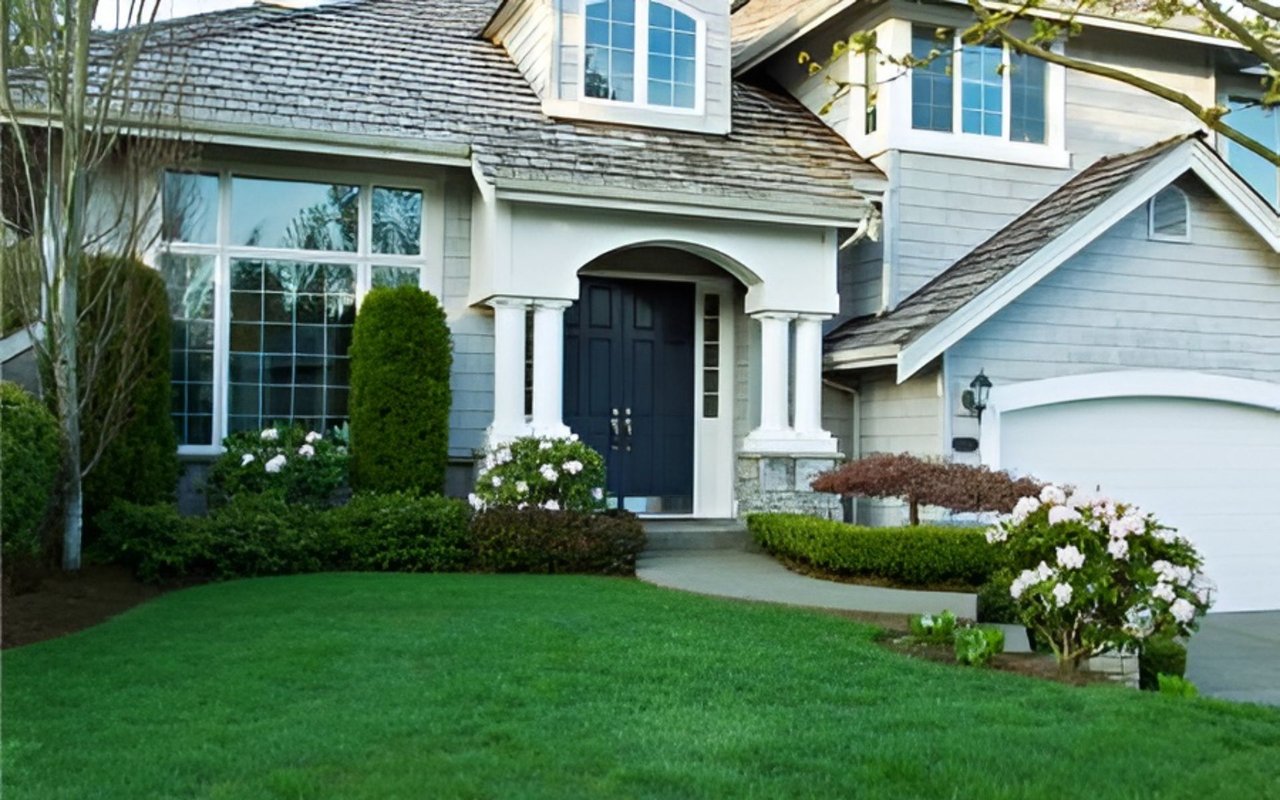
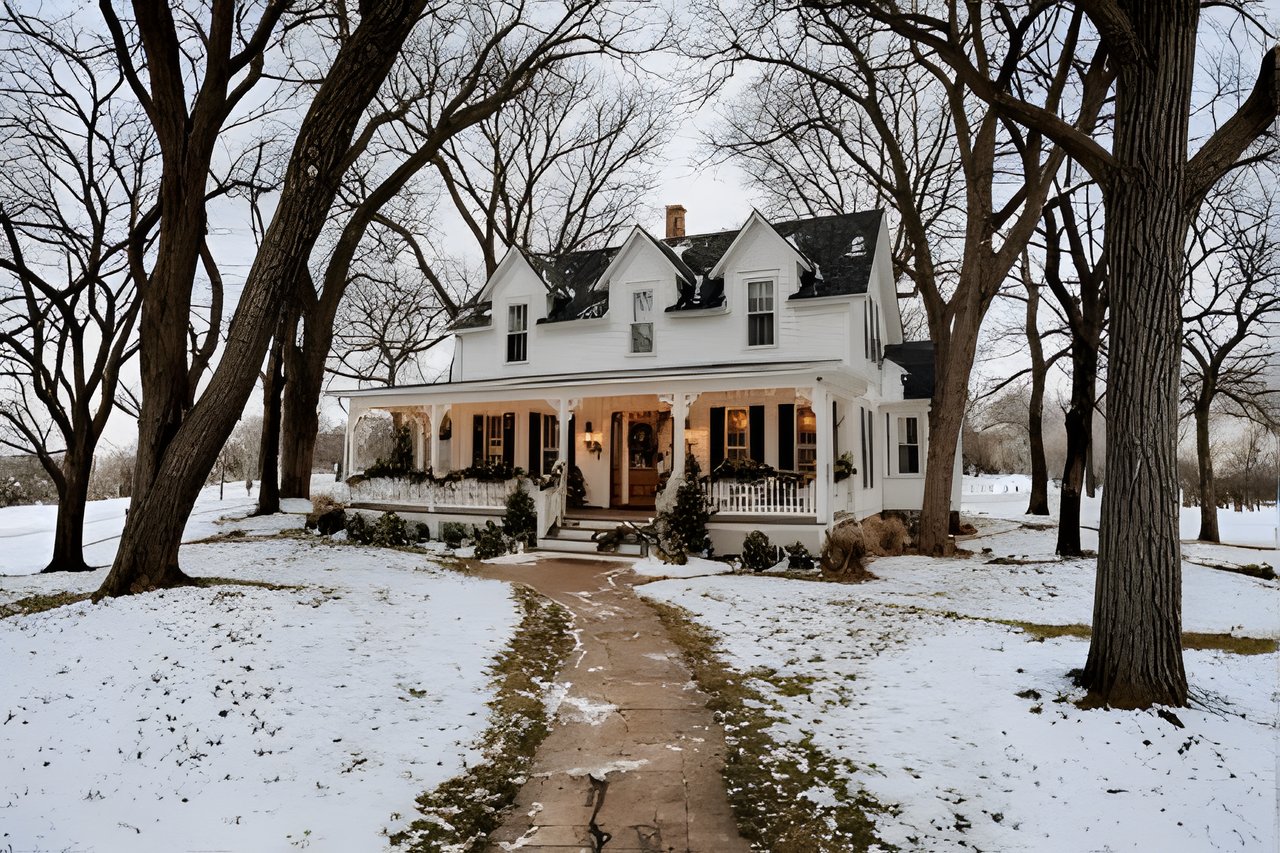
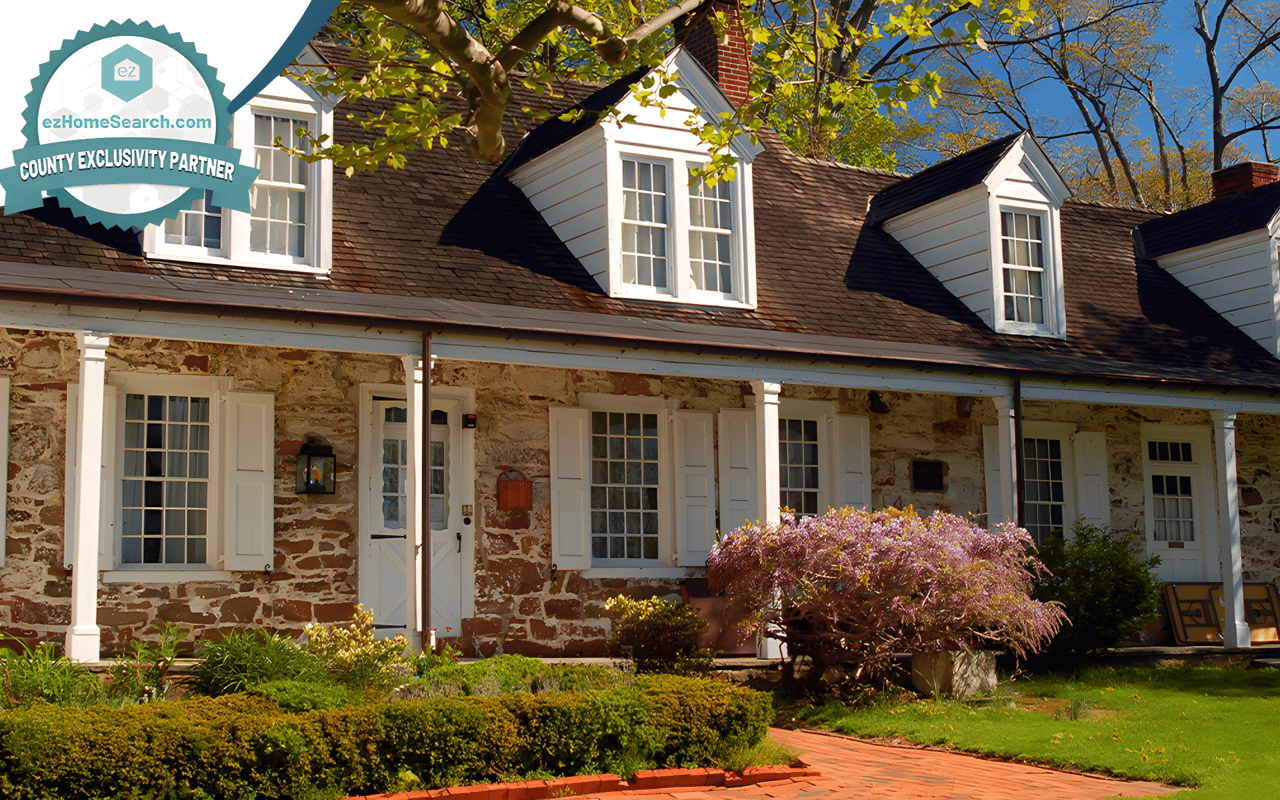
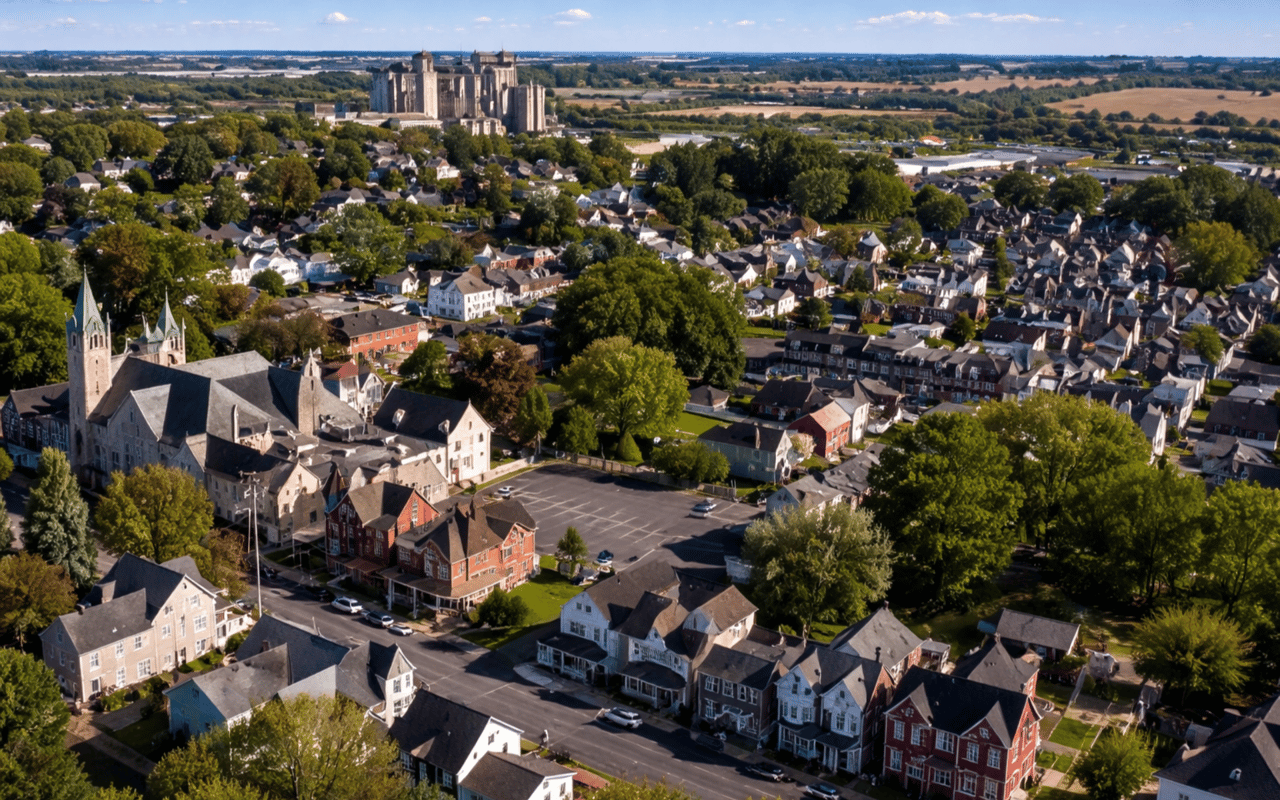
If you are starting your home search in Allentown, one of the first things you will notice is variety. The city includes older residential districts, urban rowhouses, twinhouses, mixed-use buildings, and a range of historic architectural styles.
The city’s historic preservation program identifies three local historic districts: Old Allentown, Old Fairgrounds, and West Park. In Old Allentown, you can find Federal, Italianate, Eastlake, and Victorian styles, which gives parts of the city a distinct architectural identity.
Housing costs and ownership
Citywide housing data help set expectations for buyers and renters. The owner-occupied rate is 43.2%, the median owner-occupied home value is $206,600, and the median gross rent is $1,317.
Those numbers point to a market where both ownership and renting play a major role. For buyers, that can mean opportunities across different price points and property types. For sellers, it highlights a broad audience that may include first-time buyers, move-up buyers, and investors watching the city closely.
A city planning for housing growth
Allentown is not standing still when it comes to housing. The city’s Welcome Home housing plan, released in January 2025, is focused on increasing affordable rental housing, creating more homeownership opportunities, and preserving existing housing stock.
That matters if you are thinking long term. Local planning efforts can shape future inventory, neighborhood conditions, and how different parts of the city evolve over time.
What daily commuting looks like
For many buyers, lifestyle is about more than the home itself. It is also about how easily you can get to work, run errands, and stay connected to the rest of the region.
Allentown benefits from its place within the Lehigh Valley’s main highway network. Key corridors in the region include I-78, I-80, I-81, I-476, and U.S. 22, and PennDOT specifically identifies the I-78 and US 22 interchange in Allentown.
Road access across the region
That road network supports commuting within the Lehigh Valley and beyond. If your work, family, or regular travel takes you around eastern Pennsylvania or into other Northeast markets, Allentown’s highway access is a major practical advantage.
The Census Bureau reports a mean travel time to work of 24.6 minutes for Allentown workers. While every commute depends on your route and schedule, that figure gives you a useful snapshot of typical travel time for local residents.
Public transit and airport access
Regional transit is centered on LANTA. LANtaBus serves as the fixed-route transit system, and LANtaVan provides shared-ride service. Downtown, the Allentown Transportation Center at 6th and Linden functions as a key transit point.
If air travel matters to your routine, Lehigh Valley International Airport is located at 3311 Airport Road in Allentown. According to LVEDC, the airport is served by four major carriers and 15 destinations, which adds convenience for both business and personal travel.
Jobs and economic access
A city’s lifestyle is closely tied to how easy it is to connect with work. In Allentown, that conversation is bigger than city limits because the local economy is part of the wider Lehigh Valley.
The Lehigh Valley economy is estimated at $57.3 billion. Its largest employment sectors are healthcare, manufacturing, and transportation and warehousing, and major private-sector employers include Lehigh Valley Health Network, St. Luke’s University Health Network, Amazon, Mack Trucks, Air Products, B. Braun Medical, and PPL Corporation.
Why that matters for homebuyers
For buyers, a broad employment base can support demand across different price points and housing types. It also gives you more options if your career changes or if more than one member of your household works in different sectors.
Allentown’s own planning work also puts job access front and center. The city’s Recompete plan focuses on reducing barriers like childcare, language access, skills gaps, and unreliable transportation so residents can better connect with healthcare and manufacturing jobs.
Local lifestyle and recreation
Your experience of living in Allentown is not just about square footage or commute times. It is also about what you can do close to home.
Parks and recreation are a meaningful part of city life here. Allentown adopted its Comprehensive Recreation and Park Plan on February 4, 2026, maintains three pools and three spray parks, and offers free open-air concerts each week from May through September in West Park.
Parks with everyday value
West Park is especially notable because it is both the city’s first park and a historic district. Beyond that, the city’s 2025 parks plan says waterways border or run through about 90% of the park system, which speaks to how integrated green space is within the local environment.
For many households, that translates into more options for walks, outdoor time, and seasonal activities without needing to leave the city. If daily lifestyle matters as much as the house itself, that is an important part of the picture.
Arts, events, and entertainment
Allentown also offers a solid mix of cultural and entertainment anchors. Local highlights include PPL Center, home of the Lehigh Valley Phantoms, along with the Allentown Art Museum, Miller Symphony Hall, Da Vinci Science Center at PPL Pavilion, the Great Allentown Fair, and the Allentown Fairgrounds Farmers Market.
That variety helps make the city feel active year-round. Whether you enjoy sports, live performances, museums, or large seasonal events, there are multiple ways to stay connected to local life.
Dining and local favorites
Food is part of how you get to know a place, and Allentown gives you options there too. Discover Lehigh Valley maintains a local restaurants directory for Allentown, and long-running names like Yocco’s have served the Lehigh Valley since 1922.
That blend of established local institutions and broader dining choice can make day-to-day life feel more rooted. For many buyers, those small routine pleasures are part of what turns a city into home.
Downtown and neighborhood character
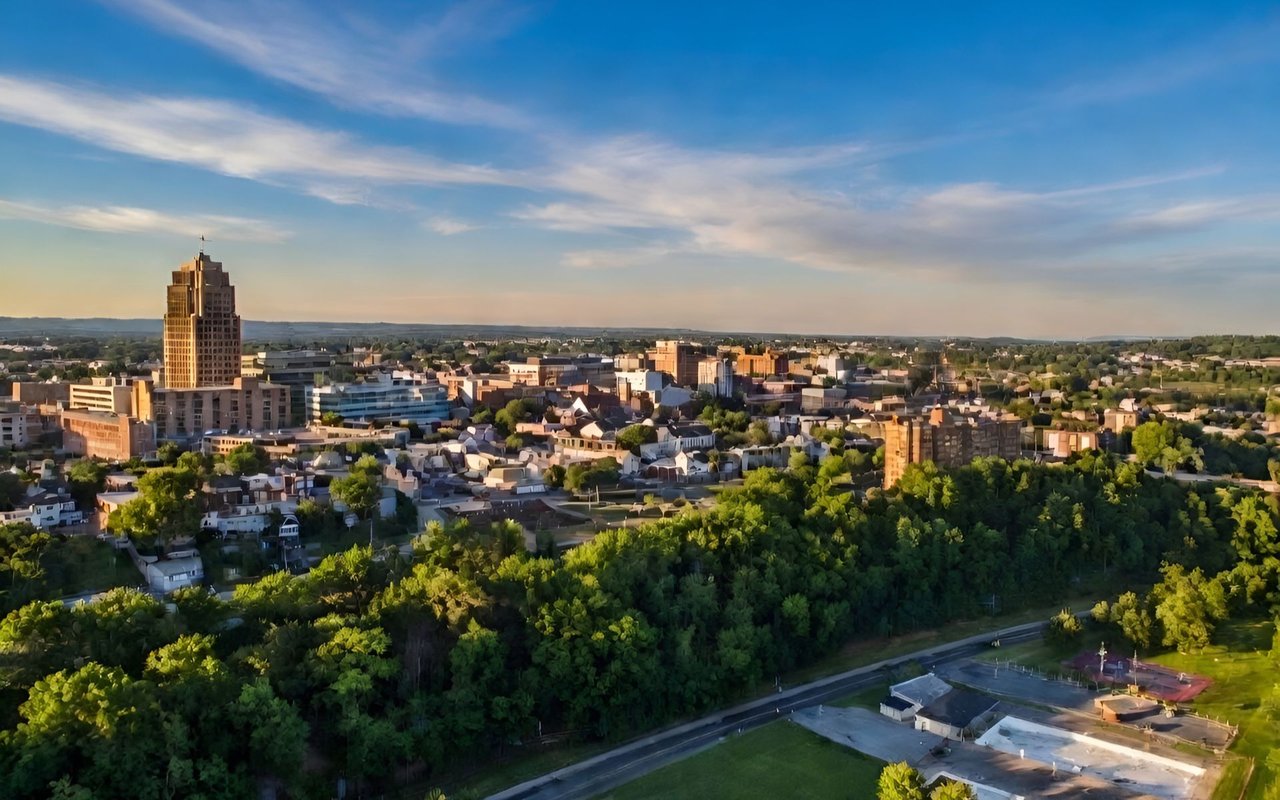
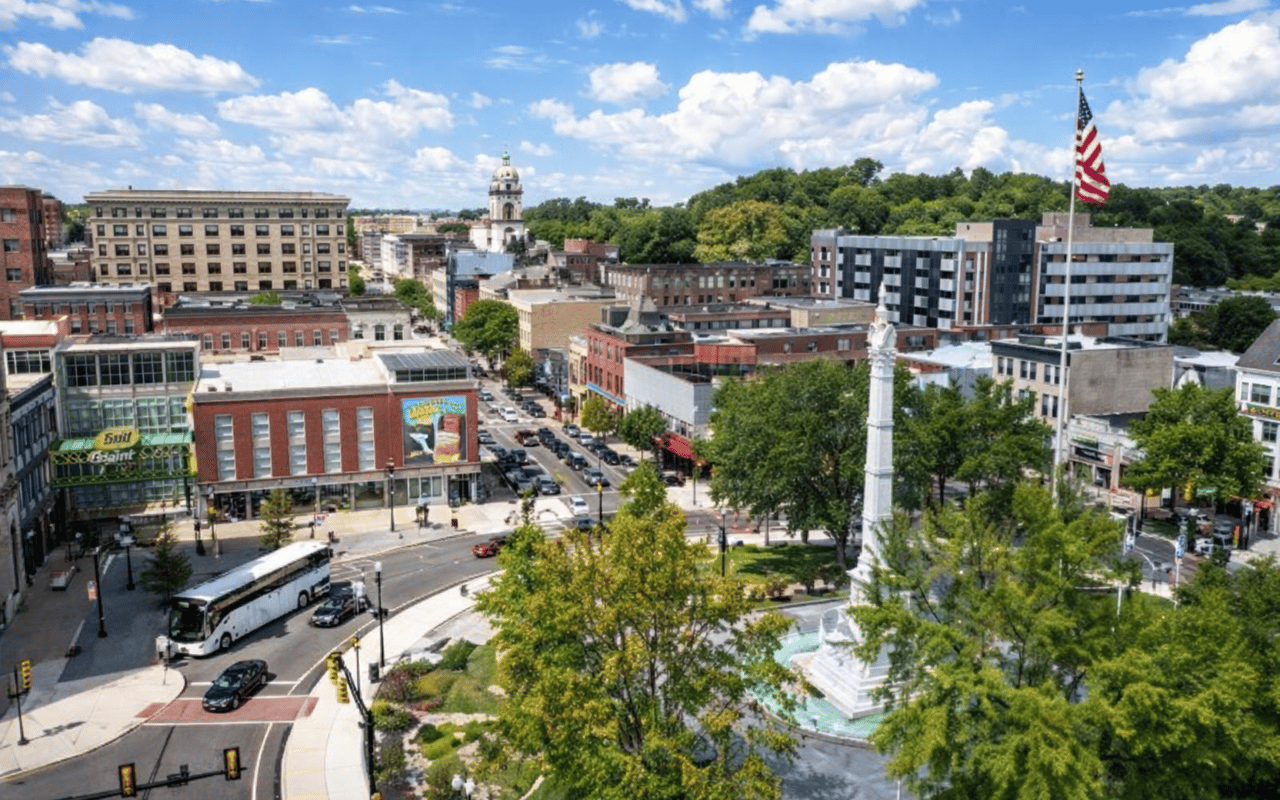
Downtown Allentown plays a major role in the city’s identity and future. The city describes downtown as being in the midst of a resurgence, and its ZONE Allentown rewrite is intended to support more housing production and a more walkable, sustainable urban environment.
If you are comparing different parts of the city, this matters. Some areas may appeal to buyers who want historic housing character, while others may stand out for access, mixed-use surroundings, or proximity to downtown destinations and transit.
Because Allentown includes different building types and older established districts, it helps to define what matters most to you early on. Your ideal fit may depend on whether you value architecture, commute patterns, access to parks, or convenience to downtown services.
Everyday convenience in Allentown
Practical details often shape your quality of life more than you expect. In Allentown, downtown includes the Lehigh County Government Center at 17 South Seventh Street, and the city provides a 311 reporting system for non-emergency issues.
The city also notes twice-weekly curbside trash and recycling pickup. These are not flashy features, but they do matter when you are thinking about how smoothly daily life works once you move in.
Is Allentown a good fit for you?
Allentown can be a strong option if you want housing variety, regional commuter access, and a city lifestyle with parks, events, and established local institutions. It also offers a market where historic districts, urban housing forms, and downtown change all play a role.
The right move depends on your goals. You may be searching for a first home, planning a move-up purchase, preparing to sell, or exploring investment property. In each case, understanding how homes, location, and daily routine connect is what helps you make a smart decision.
When you want local guidance backed by preparation, communication, and real market experience, working with the right team can make the process feel much more manageable. If you are considering a move in Allentown or anywhere in the Lehigh Valley, connect with The Cliff Lewis Experience for clear, strategic support.
FAQs
What is the housing market like in Allentown, PA?
- Allentown offers a mix of rowhouses, twinhouses, mixed-use properties, and homes in historic districts, with a median owner-occupied value of $206,600 and a median gross rent of $1,317.
What is the average commute time in Allentown, PA?
- The Census Bureau reports a mean travel time to work of 24.6 minutes for Allentown workers.
What major roads serve Allentown, PA?
- Allentown is connected to key regional corridors including I-78, I-80, I-81, I-476, and U.S. 22, with the I-78 and US 22 interchange located in Allentown.
What public transit options are available in Allentown, PA?
- LANTA provides fixed-route bus service through LANtaBus and shared-ride service through LANtaVan, with the Allentown Transportation Center at 6th and Linden serving as a downtown transit hub.
What is there to do in Allentown, PA?
- Allentown offers parks, pools, spray parks, free seasonal concerts in West Park, sports and events at PPL Center, museums, performance venues, the Great Allentown Fair, and the Allentown Fairgrounds Farmers Market.
Is downtown Allentown changing?
- Yes. The city says downtown Allentown is in the midst of a resurgence, and current planning efforts are intended to support more housing and a more walkable urban environment.