Wondering whether Easton is the right place to call home in the Lehigh Valley? If you are comparing Easton with nearby city options like Allentown and Bethlehem, it helps to look past the headlines and focus on how each place actually feels to live in day to day. From housing costs and commute patterns to walkability and local amenities, here is what you should know before you decide. Let’s dive in.
Why Easton Stands Out
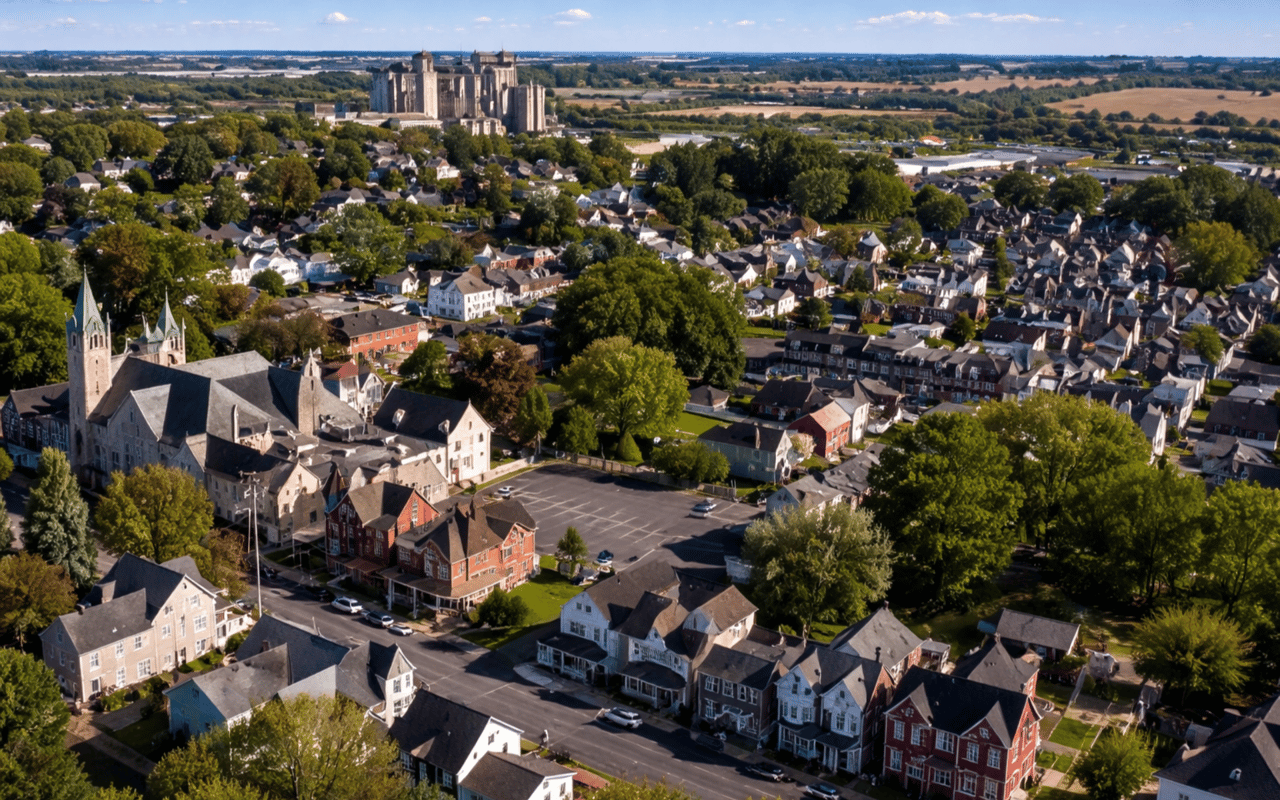
Easton offers something a little different from the other Lehigh Valley city centers. It is the smallest and most compact of the three, covering about 4.3 square miles, which gives it a close-knit, easy-to-navigate feel.
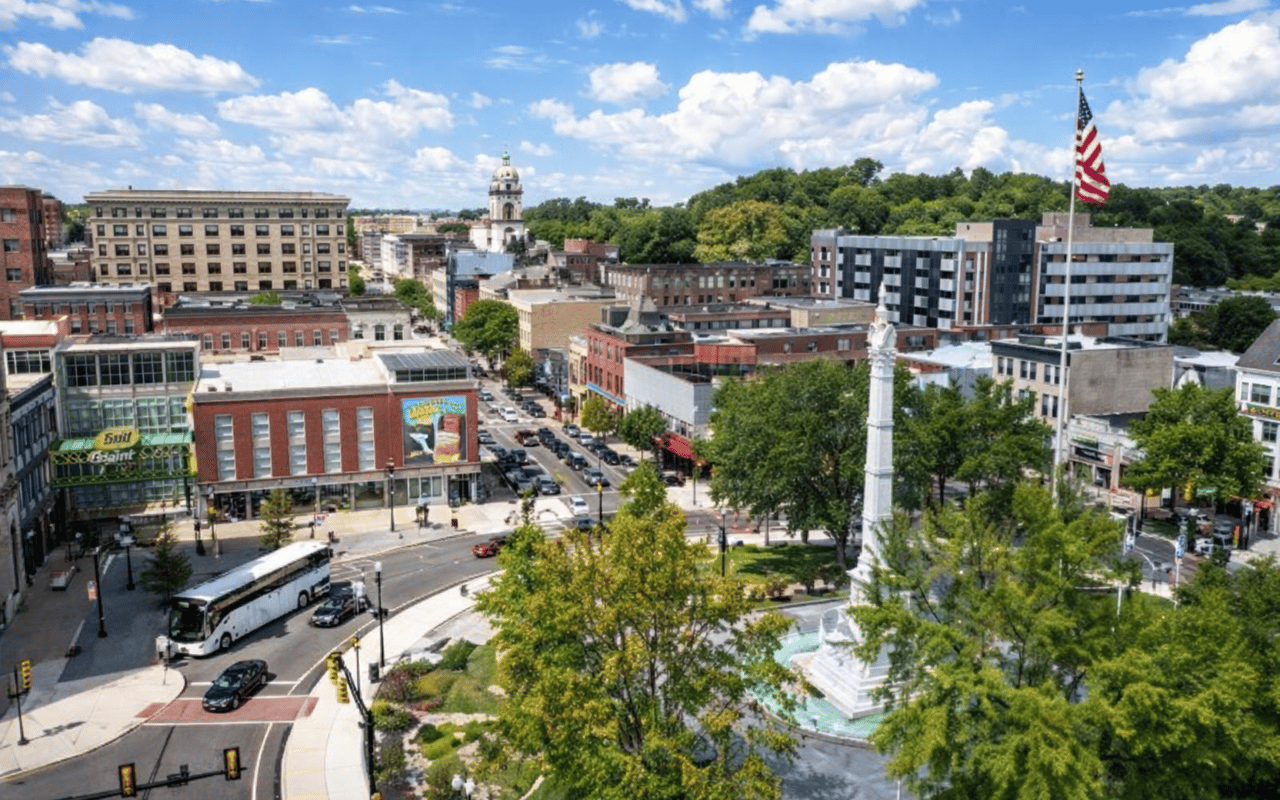
That smaller footprint matters if you want a city experience that feels walkable and connected. Easton’s downtown is known for its concentrated mix of restaurants, events, waterfront spaces, and local attractions, all packed into a more compact core.
The city’s downtown materials highlight more than 50 eateries, America’s oldest open-air farmers’ market, the State Theatre, the Crayola Experience, waterfront parks, and canal-related attractions. Local planning documents also point toward more walkable infill and a future transit-oriented district near South Third Street and the riverfront.
Easton Housing Costs Compared
If budget is one of your top concerns, Easton deserves a close look. The latest Census Reporter profile shows a median owner-occupied housing value of $196,300 in Easton.
That places Easton below the other two major Lehigh Valley city centers in this comparison. Allentown’s latest profile shows a median owner-occupied value of $242,400, while Bethlehem’s shows $289,200.
For many buyers, that lower price positioning can make Easton especially appealing. If you are a first-time buyer, a downsizer, or simply trying to stretch your budget without leaving the urban core, Easton may offer a better starting point.
What Easton’s Housing Stock Feels Like
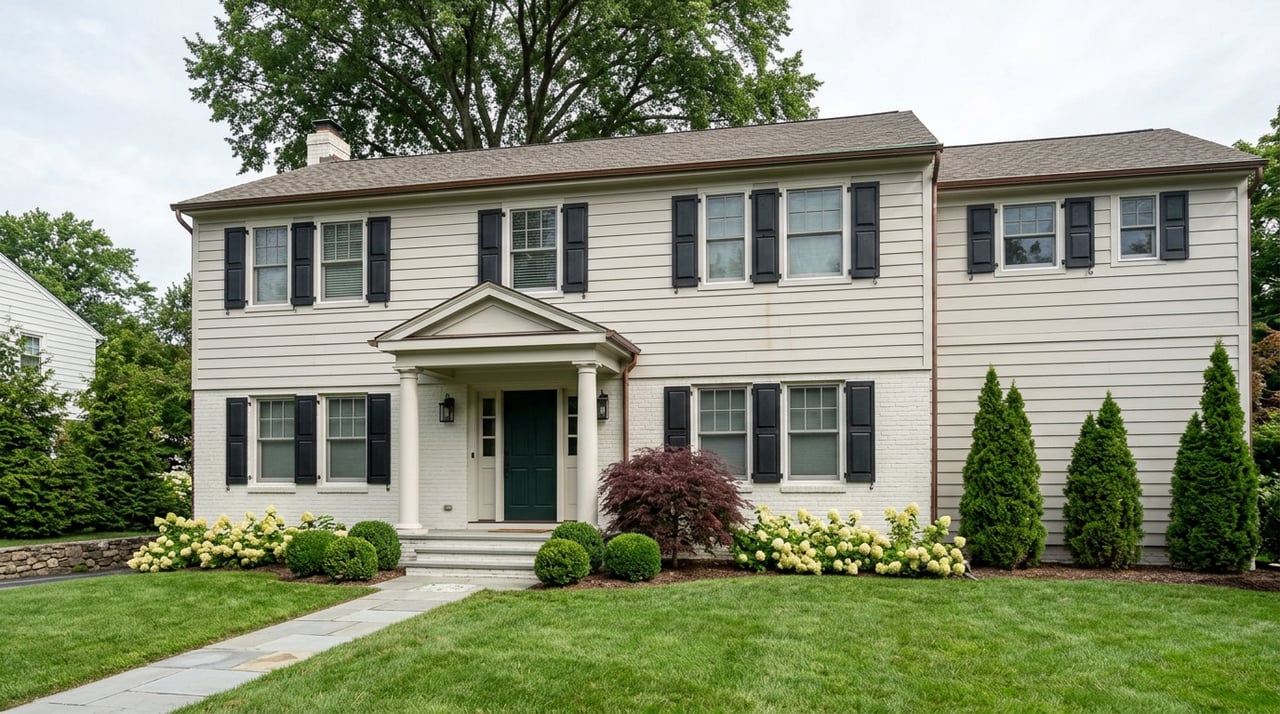
Easton’s housing market tends to reflect its age and urban form. City planning documents emphasize rehabbing vacant buildings, reusing vacant lots, and modernizing older public housing stock.
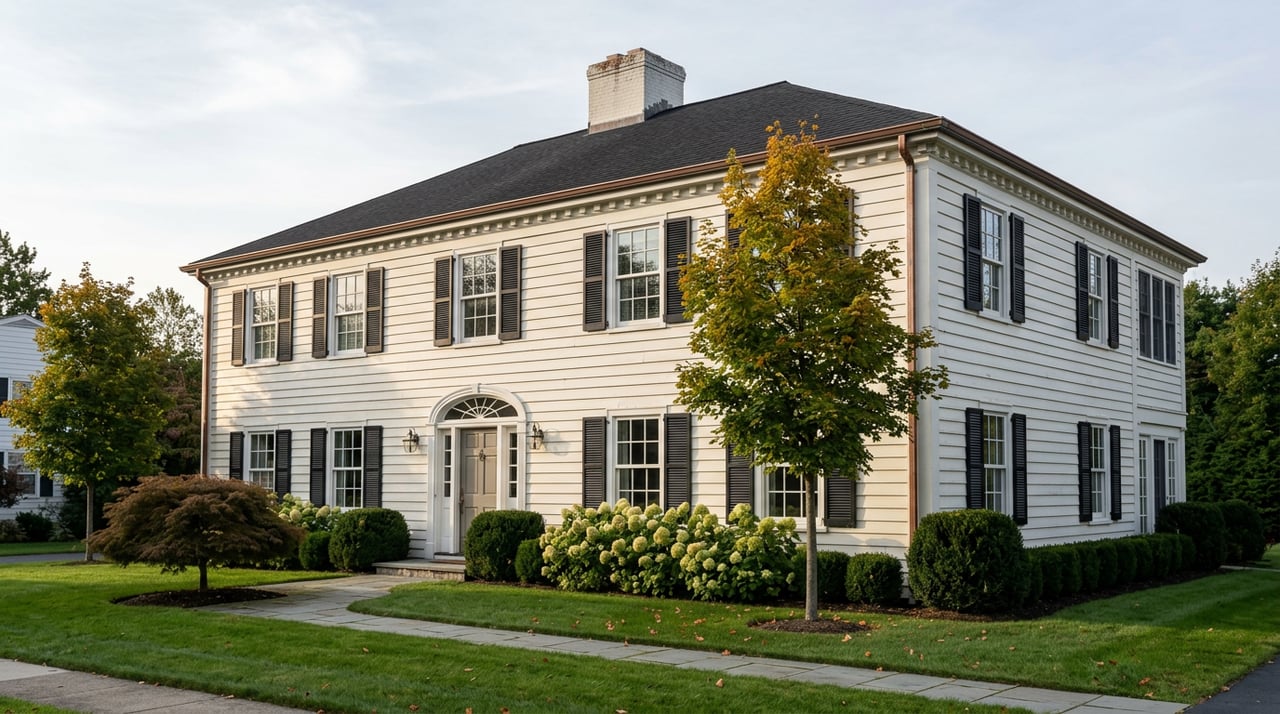
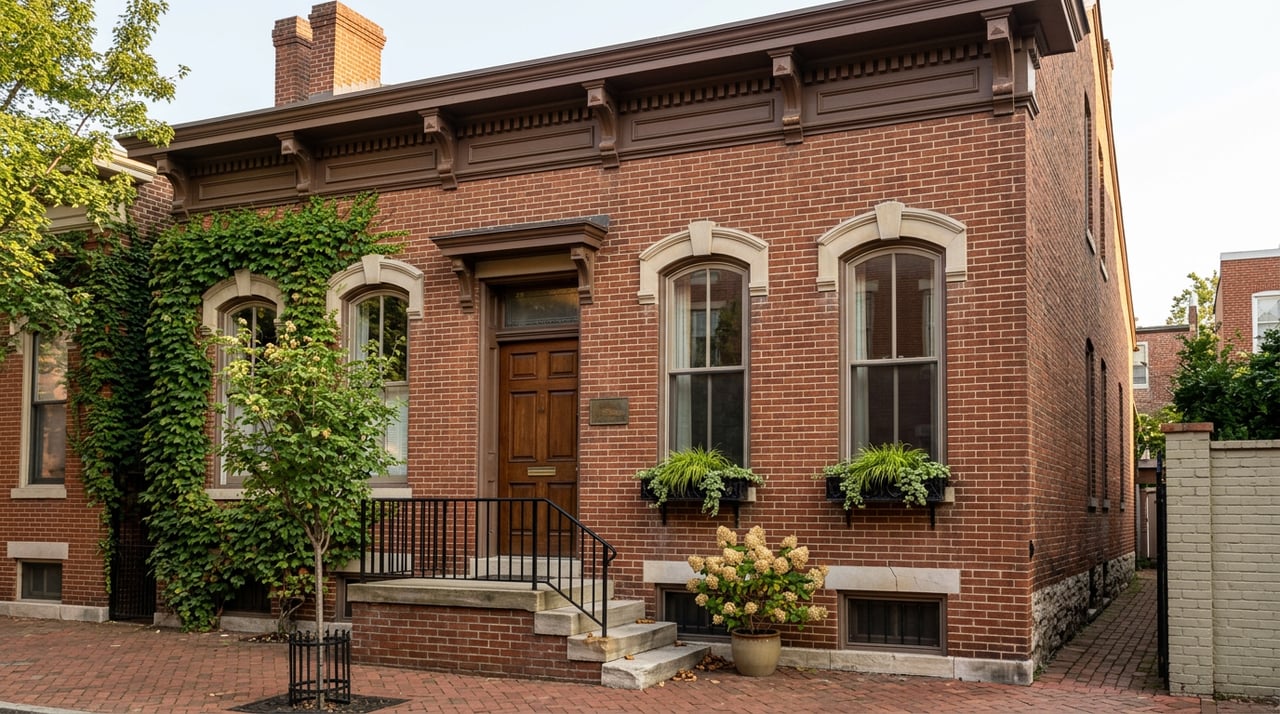
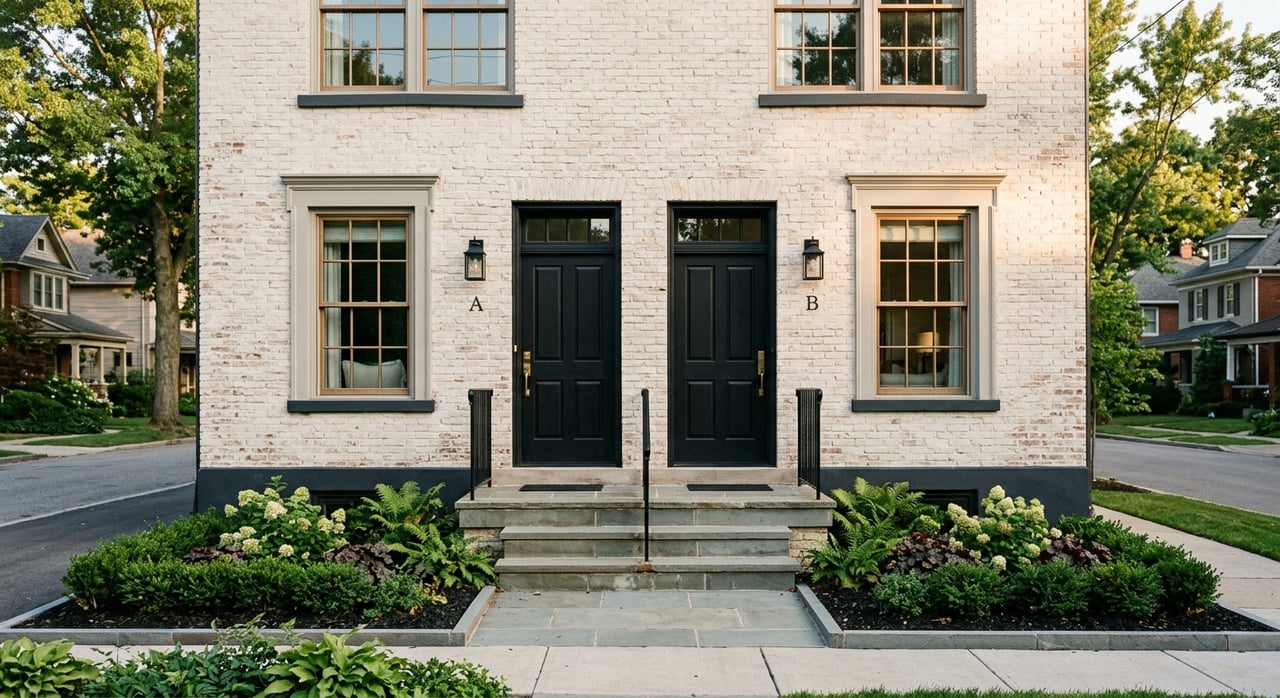
In practical terms, that points to a market shaped more by older homes and infill development than by large volumes of newer suburban construction. If you are looking for character, established blocks, and a more traditional city layout, that may feel like a plus.
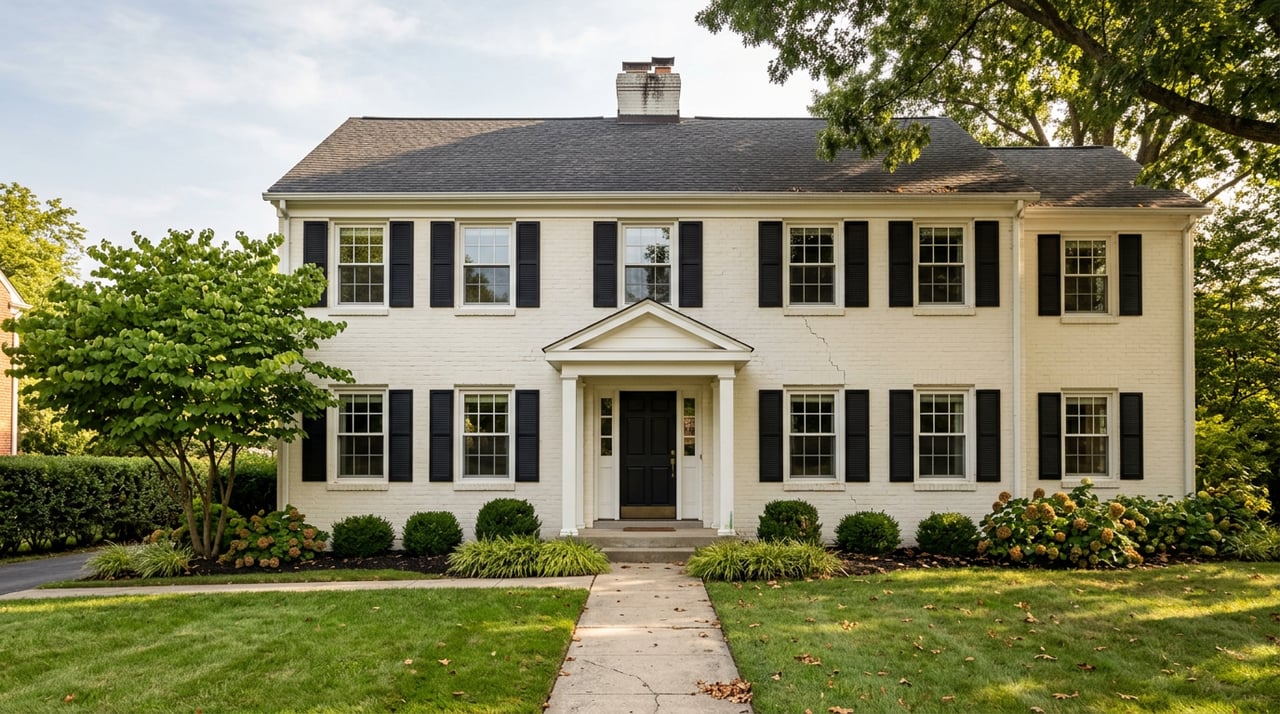
If your top priority is a large amount of newer suburban-style housing, Easton may be less aligned with your goals. Compared with Bethlehem, which has a higher share of detached homes, Easton reads as more urban and more attached-housing oriented.
Easton vs Bethlehem vs Allentown
Each of the three cities tends to fit a different type of buyer. Easton is often a strong match if you value character, walkability, riverfront access, and a lower entry price.
Allentown tends to appeal to buyers who want a broader urban housing mix and a larger downtown environment. Bethlehem often stands out for buyers who want more detached-home options along with a strong historic and event-focused atmosphere.
That means your best fit depends less on which city is "better" and more on what matters most to you. Easton is usually at its best for buyers who want a smaller urban core with a lot packed into it.
Easton Commute and Mobility
Commute time is one area where Easton gives up a little ground. The latest Census Reporter profile shows a mean commute of 27.8 minutes in Easton, compared with 24.6 minutes in Allentown and 22.1 minutes in Bethlehem.
That does not mean Easton is inconvenient. It does mean that if your number one goal is the shortest average commute possible, Easton may not be the top choice among the three city centers.
At the same time, Easton’s planning vision supports a more connected future. The city’s comprehensive plan highlights a regional transportation center, bike and pedestrian connections, and a walkable district tied to transit and the riverfront.
For many buyers, this comes down to priorities. If lifestyle, walkability, and local character matter more than trimming a few minutes off your drive, Easton remains a very competitive option.
Easton Walkability and Lifestyle
One of Easton’s biggest strengths is how much it offers within a compact area. The city’s downtown amenity base is unusually concentrated for its size, which can make daily life feel more convenient and more engaging.
You can see that in the mix of dining, entertainment, and public spaces. Downtown Easton features restaurants, the farmers’ market, the State Theatre, family attractions, waterfront parks, and canal-related destinations, all within a relatively tight footprint.
Local planning also supports stronger pedestrian connections and mixed-use growth. That focus suggests Easton is continuing to lean into the kind of city-center lifestyle that attracts buyers who want to spend less time driving between errands, dining, and entertainment.
How Easton Feels Day to Day
Among the three city centers, Easton often feels like the most urban small city. It has an older character, a riverfront setting, and a downtown that feels active without being as large as Allentown.
Allentown tends to feel bigger and more urban overall, with a broader downtown entertainment package. Bethlehem tends to feel more historic and event-driven, with a strong arts and festival identity.
Easton lands in a distinctive middle ground. It gives you a compact, walkable core and a strong sense of place, which can be a great fit if you want convenience and character in one package.
Who Easton Is Best For
Easton tends to fit buyers who want to stay mindful of budget while still enjoying a lively city-center setting. It is often a strong option for first-time buyers, downsizers, and buyers who value restaurants, markets, and walkability.
It can also be appealing if you are drawn to older homes, infill neighborhoods, and a more connected downtown environment. Buyers who enjoy being close to local events and waterfront spaces may find Easton especially attractive.
On the other hand, Easton may be less ideal if you want a detached-house-heavy market or if minimizing commute time is your top priority. In that case, Bethlehem or Allentown may deserve a closer look depending on your goals.
Questions to Ask Yourself
Before you choose Easton, it helps to get specific about your priorities. Ask yourself questions like:
- Do you want a compact, walkable downtown lifestyle?
- Is a lower entry price important to your home search?
- Are you comfortable with older housing stock and infill-style neighborhoods?
- Would you trade some housing size or commute convenience for more character and local amenities?
- Do restaurants, markets, and waterfront access add value to your day-to-day life?
If you answered yes to most of these, Easton may be a very strong fit. If not, another Lehigh Valley city may line up better with your needs.
The Bottom Line on Easton
Easton belongs on your shortlist if you care most about budget, character, and a compact city lifestyle. It offers a lower owner-occupied housing value than Allentown and Bethlehem, along with a concentrated downtown filled with dining, events, and riverfront attractions.
It is less likely to be the best fit if you want the shortest average commute or a market with more detached-home options. But if your goal is to find a walkable small city with personality and everyday convenience, Easton is well worth serious consideration.
If you want help comparing Easton with other Lehigh Valley cities, the team at The Cliff Lewis Experience can help you weigh your options with clear guidance and local insight.
FAQs
Is Easton more affordable than Bethlehem and Allentown?
- Based on the latest Census Reporter profiles, Easton has a median owner-occupied housing value of $196,300, compared with $242,400 in Allentown and $289,200 in Bethlehem.
Is Easton a good fit for first-time homebuyers?
- Easton can be a strong fit for first-time buyers because it offers a lower entry price than Bethlehem and Allentown, along with a compact and amenity-rich downtown setting.
Is Easton a walkable city in the Lehigh Valley?
- Easton is known for a compact downtown with restaurants, the farmers’ market, entertainment venues, waterfront parks, and pedestrian-focused planning, which supports a walkable lifestyle.
Does Easton have older homes or newer housing?
- Easton’s planning documents point to an older, infill-oriented housing market with an emphasis on rehabilitation and reuse, rather than a large supply of newer suburban-style housing.
How does Easton compare with Bethlehem and Allentown for commuting?
- Easton has the longest mean commute of the three in this comparison at 27.8 minutes, versus 24.6 minutes in Allentown and 22.1 minutes in Bethlehem.
Who is Easton usually the best fit for?
- Easton is often a good match for buyers who want a lower entry price, older character, riverfront access, and a compact downtown lifestyle with strong local amenities.