If you live outside the Lehigh Valley, buying an investment property in Allentown can look simple on paper. The numbers can be appealing, but distance changes everything from how you evaluate housing stock to how you handle inspections, licensing, and day-to-day operations. If you are thinking about investing here, it helps to understand what makes this market different before you write an offer. Let’s dive in.
Why Allentown gets investor attention
Allentown is a large, established rental market with a 2024 population of 127,138, according to U.S. Census Bureau QuickFacts. The same source shows an owner-occupied housing unit rate of 43.2%, a median gross rent of $1,317, and a median owner-occupied home value of $206,600. For many out-of-area buyers, that points to a renter-heavy city with a relatively accessible price point.
The City of Allentown’s 2024-2029 housing plan adds more context. It says rents rose 45% and home prices rose 64% over the last five years, which helps explain why investors are watching the market closely. The plan also notes that the Lehigh Valley has attracted new residents, especially from the New York and New Jersey region.
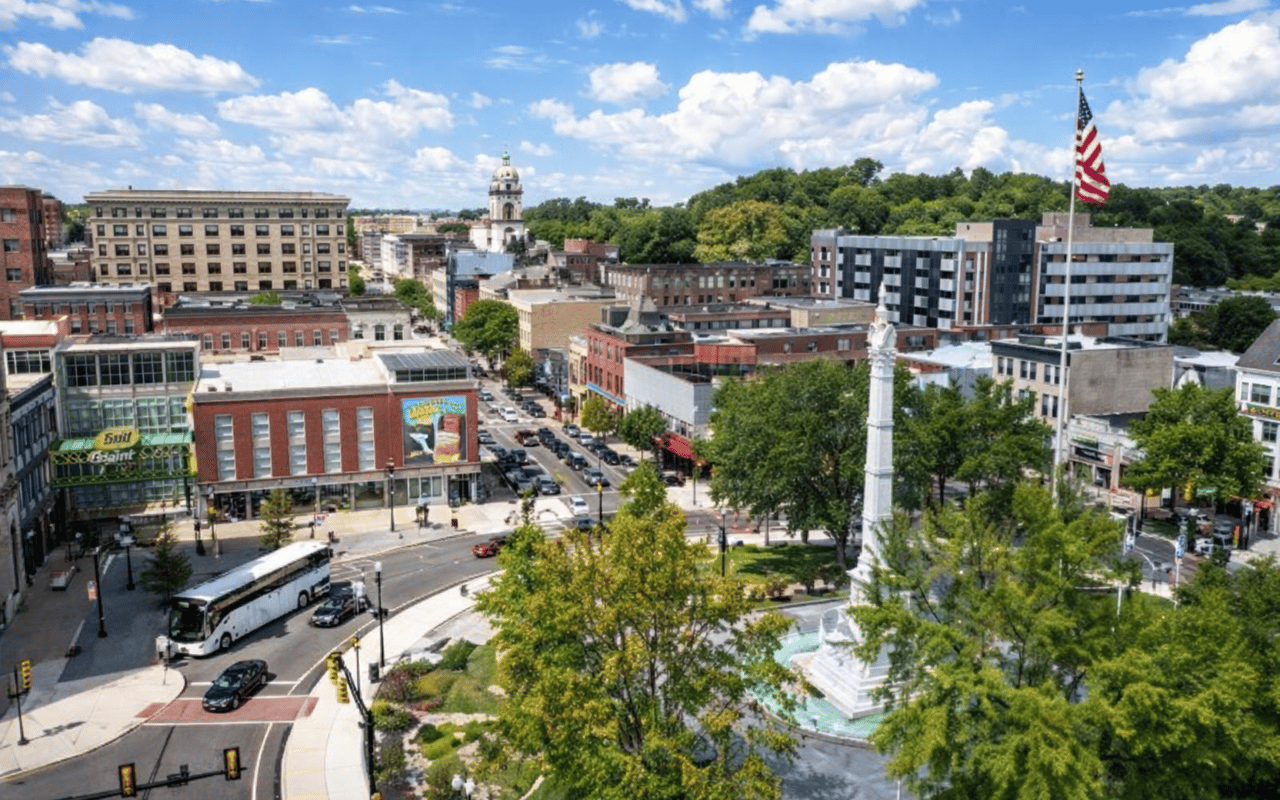
Location plays a role too. The city notes that Allentown is within about an hour of Philadelphia and about 90 minutes from New York City. It also reports that transportation and warehousing jobs nearly tripled between 2010 and 2022, which supports ongoing housing demand.
What the local housing stock looks like
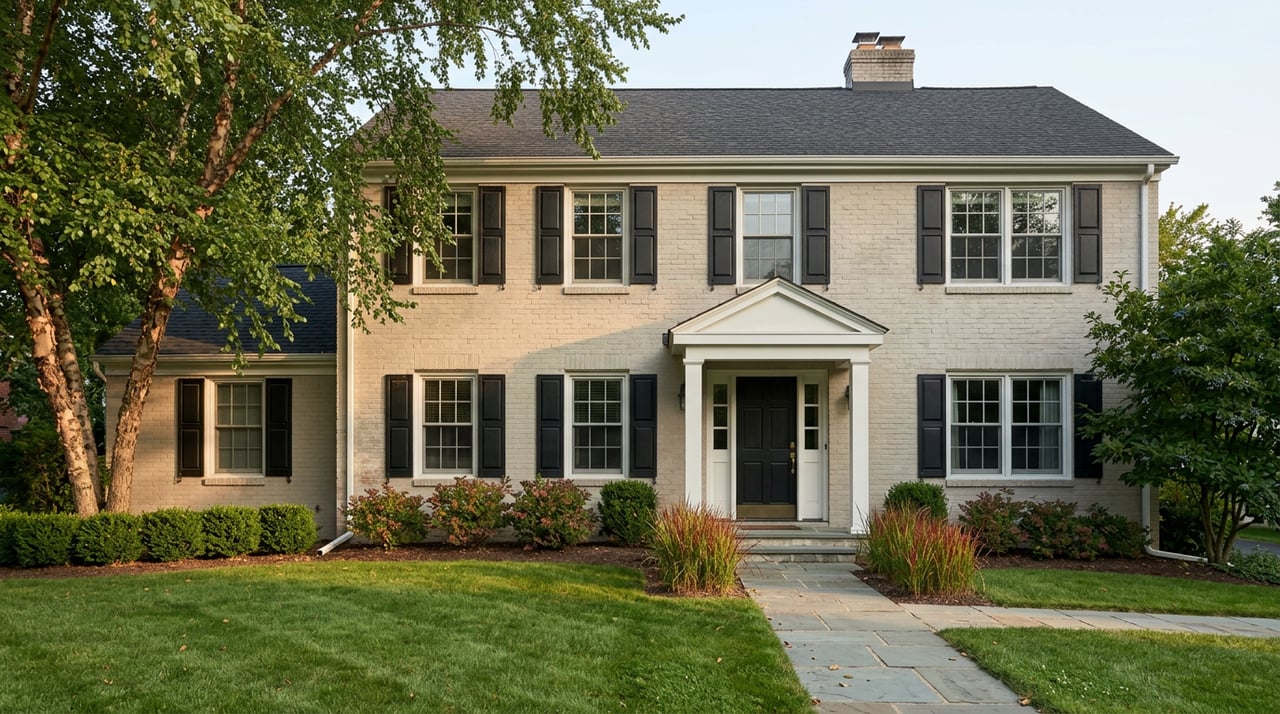
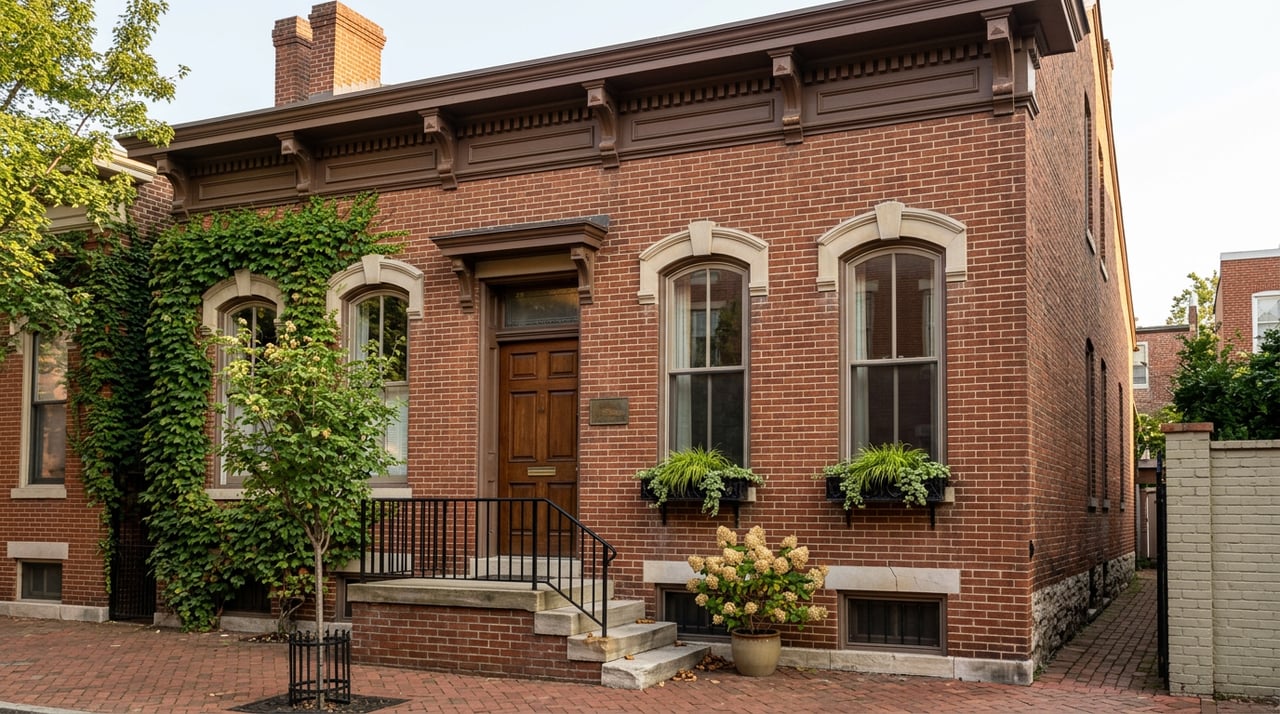
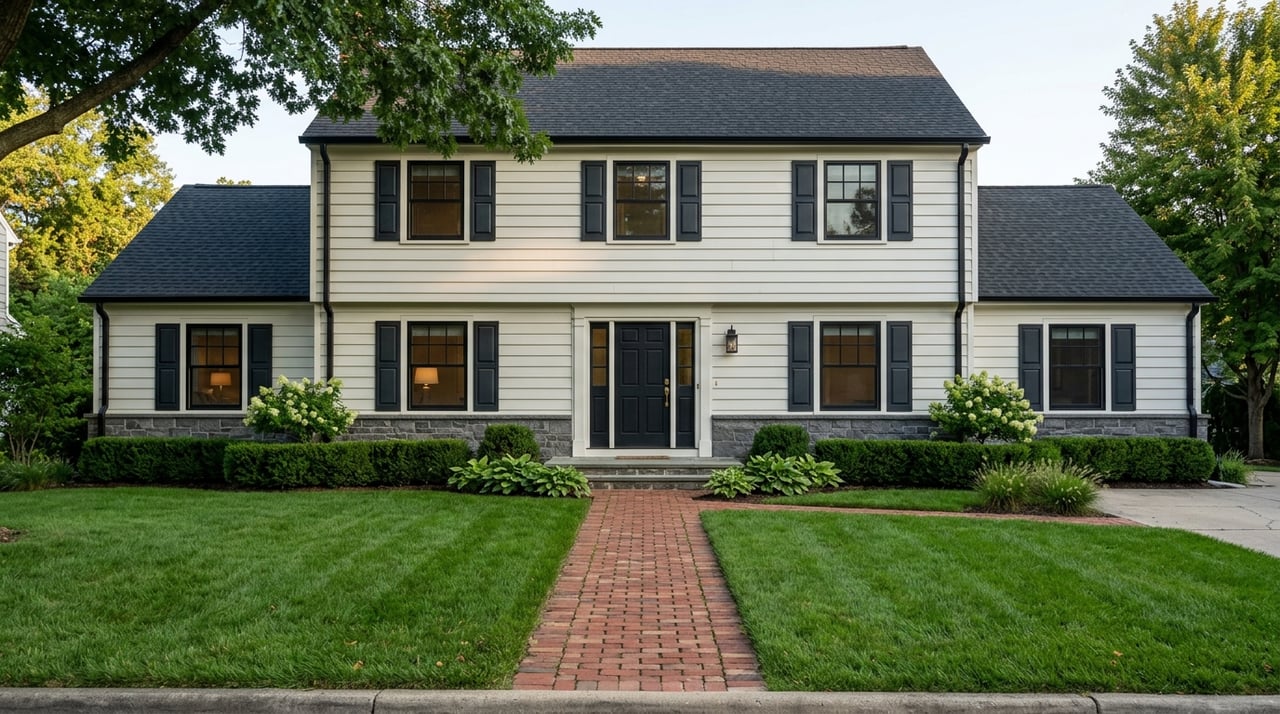
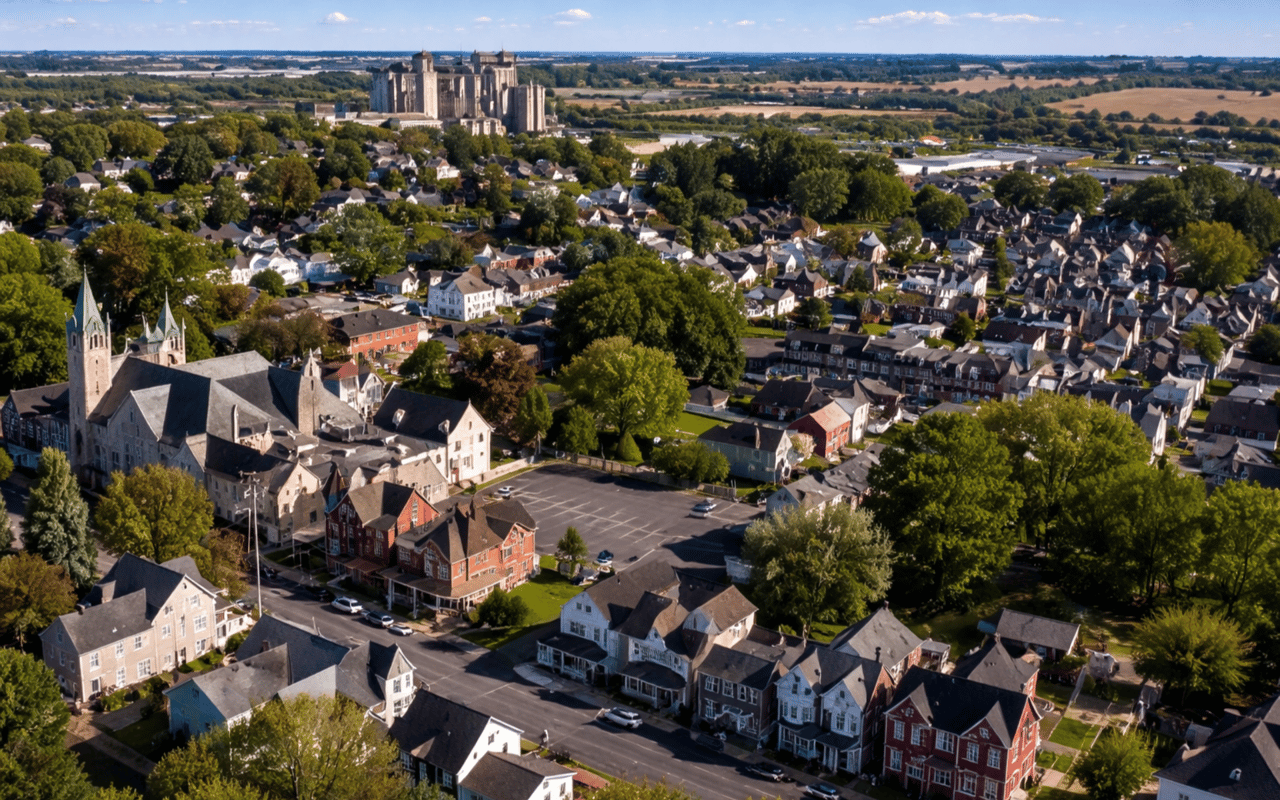
If you are used to newer suburban rentals, Allentown may feel different. The city’s housing plan says the oldest homes are concentrated closer to the center, while newer housing tends to be found more toward the outskirts. That older inventory can create opportunity, but it also usually requires more careful due diligence.
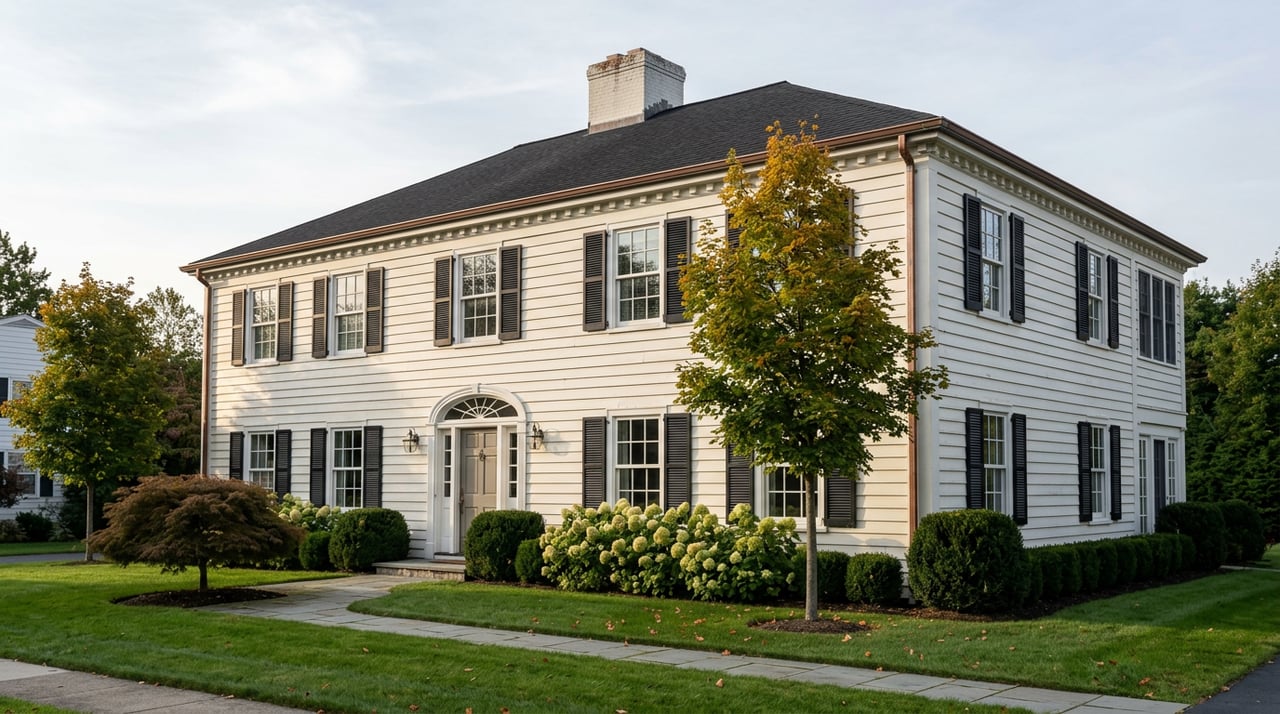
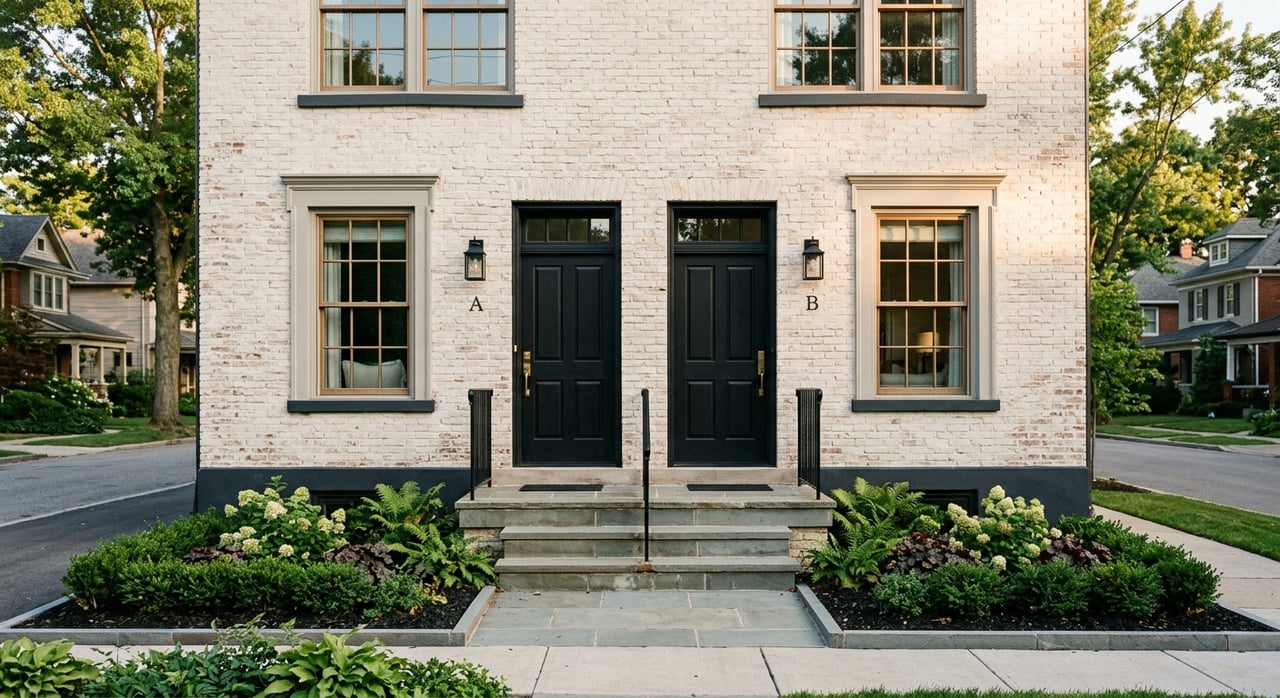
You will also see a housing mix that leans toward rowhomes, small rental buildings, and infill properties. According to the city plan, about 70% of rental units are in structures with fewer than 10 units, and one in four renter households rents a rowhome. For an out-of-area investor, that means small multifamily and attached housing often matter more here than large apartment communities.
The same plan highlights roughly 1,800 unoccupied and likely abandoned homes, along with about 1,000 vacant lots. That creates room for acquisition, rehabilitation, and infill development. If your strategy is value-add instead of turnkey, Allentown may offer more paths to execution.
What tenant demand may look like
Tenant demand in Allentown is tied to workforce needs, rising housing costs, and regional mobility. The city housing plan notes that households working in health care, childcare, service, and retail are among those most affected by rising rents. The city’s 2025 Allentown Works Recompete plan also points to health care and manufacturing as focus sectors.
Transit access matters in this market as well. The Allentown Transportation Center serves as a regional hub with bus connections to neighborhoods, hospitals, the airport, and intercity destinations. For investors, that is a practical reminder to look beyond the property itself and consider how residents move around the city and region.
Communication can also shape operations. Census QuickFacts shows that 24.0% of Allentown residents are foreign-born and 45.8% of residents age 5 and older speak a language other than English at home. If you plan to own from a distance, clear and responsive communication systems matter, and bilingual or multilingual support may help with leasing, maintenance coordination, and resident relations.
Why local execution matters more than hype
Allentown is not the kind of market where you can rely on a loose plan and hope the property runs itself. Older housing stock, smaller building sizes, and city oversight all make hands-on execution more important. That is especially true when you are buying from outside the area.
The city’s housing plan gives a strong clue here. Allentown is mostly built out, with only 3% of lots vacant, and the median days on market for homes was seven in June 2024. In a market with limited land and fast absorption, investors often do best when they move with preparation and manage carefully after closing.
A smart out-of-area buyer usually treats Allentown as a market that rewards steady operations over speculation. That means thinking through inspections, permits, reserves, tenant communication, and ongoing maintenance before you buy. In many cases, your local support team is just as important as your purchase price.
Rental licensing and inspections to know
One of the biggest basics for remote buyers is that Allentown is not a passive-owner market. The city requires rental registration and inspection by law, along with annual renewal of the rental license. The city states that the fee is $75 per unit.
Owners must also display the Owner and Occupant Duties document in every rental unit. That may sound minor, but it is a good example of why local compliance cannot be an afterthought. If you live out of area, it helps to have dependable on-the-ground help to stay current on requirements.
The Bureau of Building Standards and Safety handles rental property licensing, permits, inspections, and presale inspections. The city also says it began enforcing updated 2021 building codes on January 1, 2026. If you are underwriting an older home or a rehab project, code review and permit history should be part of your process from the start.
Older properties need deeper due diligence
Allentown’s older housing stock can create upside, but it also calls for a more disciplined inspection plan. The city’s Housing & Property Resources page includes a Lead Program, which is an important reminder for buyers looking at older homes. You do not need to assume every older property will be difficult, but you should expect more moving parts than with a newer asset.
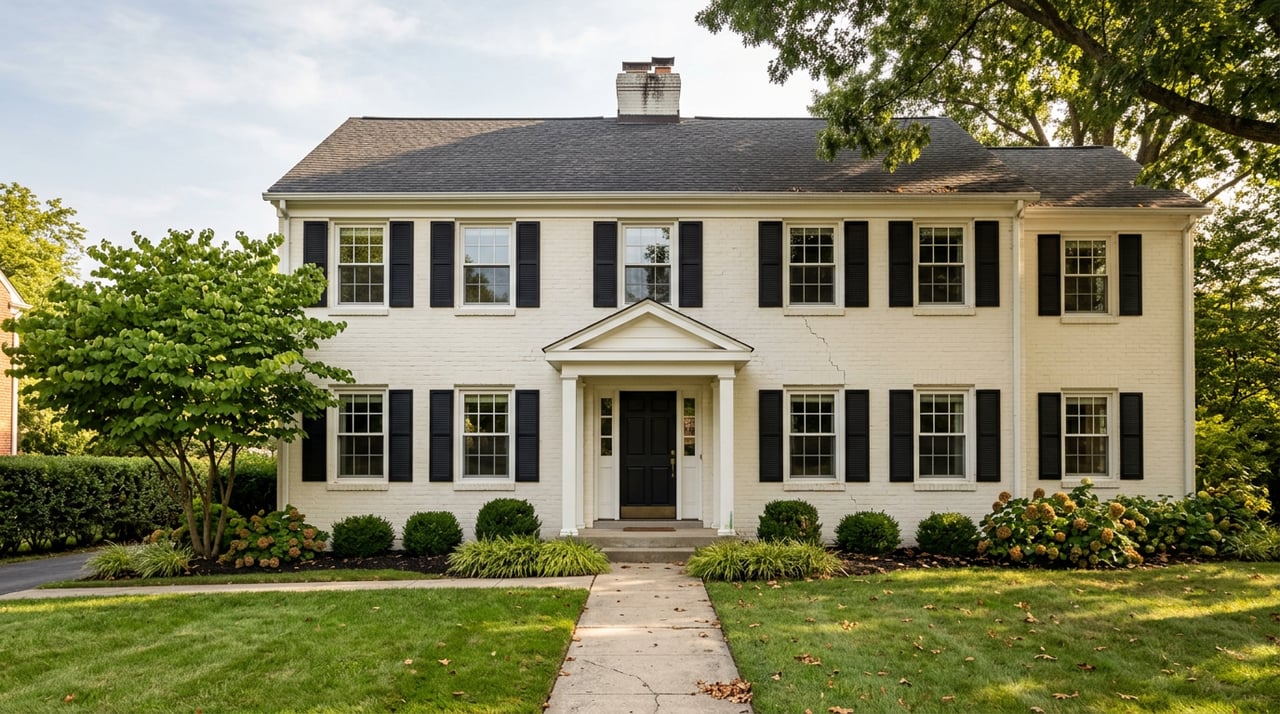
This is where remote buyers can get into trouble. A home that looks like a cosmetic update online may need a broader review of systems, code issues, or repair scope once you get into inspections. If you are evaluating value-add properties, build your numbers with enough room for surprises.
The city’s housing plan also notes that rising labor, material, insurance, and repair costs have made property upkeep harder for small landlords. That is another reason to budget conservatively for capital expenses, turnover, and vacancy. A thin reserve plan can turn a promising deal into a stressful one very quickly.
Financing questions to ask early
Before you narrow in on one address, get clear on your financing path. The practical issue is not just whether you can qualify, but whether your loan structure matches the property type and business plan. That is especially important if the property needs repairs or if you are comparing a single-unit rental to a small multifamily building.
A few questions to ask early include:
- What down payment is required for this property type?
- How much cash reserve does the lender want to see?
- Is rehab escrow available if the property needs work?
- Does the deal fit conventional financing, portfolio lending, or commercial lending more naturally?
- Will the lender treat the asset differently based on unit count or condition?
As an out-of-area buyer, it helps to have these answers before you start moving quickly. In a market with limited supply and fast-moving listings, clarity on financing can make your decisions cleaner and your offers more realistic.
Strategies that may fit Allentown
Every investor has a different risk tolerance, but the city’s housing plan suggests that patient, operationally strong strategies may fit Allentown well. The plan points to enough vacant homes and lots to support acquisition and rehabilitation. It also says the city is revising zoning to promote higher-density development and reduce regulatory hurdles.
The same plan mentions expanded options such as townhomes, multifamily projects, commercial-to-residential conversions, and accessory dwelling units in some rowhomes and single-family homes. That does not mean every property is a redevelopment play. It does mean the city is signaling support for a wider range of housing solutions over time.
For many out-of-area buyers, the best fit may be one of these approaches:
- Buy and hold a small rental with solid long-term management
- Value-add rehab on an older rowhome or small multifamily property
- Infill or redevelopment where zoning and site conditions support it
- Operational improvement on a property with deferred maintenance or weak systems
The common thread is discipline. In Allentown, the market appears to favor investors who can improve and manage property responsibly over time.
A simple checklist for out-of-area buyers
If you are exploring your first Allentown investment purchase, keep your process simple and local.
- Study the property type, not just the price
- Review rental licensing and inspection requirements early
- Underwrite repairs and reserves conservatively
- Evaluate transit access and day-to-day livability factors
- Plan for communication systems that work for a diverse resident base
- Build a local support team before closing, not after
That last point matters most. Remote investing usually works best when you have trusted local guidance, realistic numbers, and a clear operating plan.
If you are considering an investment property in Allentown, working with a team that understands the local housing stock, city processes, and on-the-ground execution can save you time and help you make cleaner decisions. Connect with The Cliff Lewis Experience for guidance on buying in the Lehigh Valley with more clarity and confidence.
FAQs
What makes Allentown appealing to out-of-area real estate investors?
- Allentown offers a large rental market, a renter-majority housing profile, relatively accessible home values, limited land supply, and recent rent and price growth, according to the U.S. Census Bureau and the City of Allentown.
What types of investment properties are common in Allentown?
- The city’s housing plan shows that rowhomes, small multifamily properties, and older infill housing are common, with about 70% of rental units in structures with fewer than 10 units.
What should remote buyers know about Allentown rental licenses?
- The city requires rental registration and inspection by law, annual rental license renewal, a stated fee of $75 per unit, and posting of the Owner and Occupant Duties document in each rental unit.
What should out-of-area buyers watch for in older Allentown homes?
- Older properties may require more detailed inspection, permit, code, repair, and lead-related review, so buyers should underwrite carefully and keep realistic capital reserves.
What investment strategy may fit the Allentown market best?
- Based on the city’s housing plan, patient strategies like buy-and-hold, value-add rehab, and well-planned infill or redevelopment may be a stronger fit than short-term speculation.