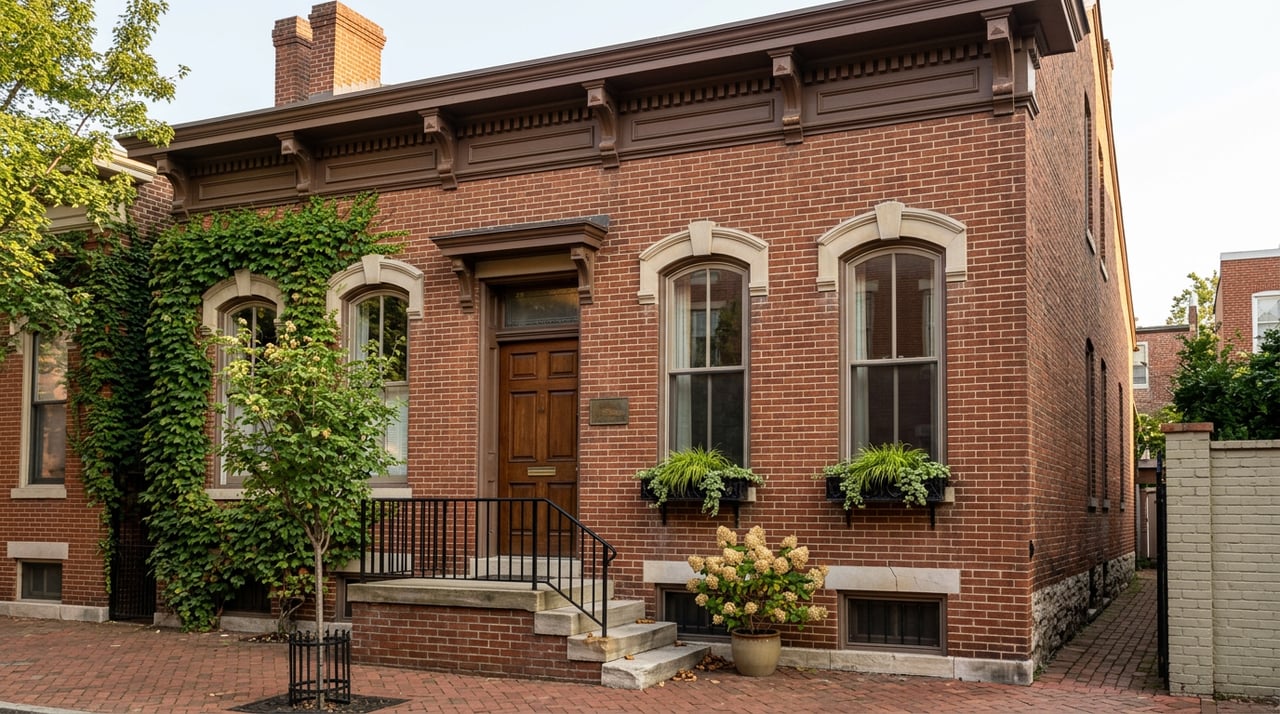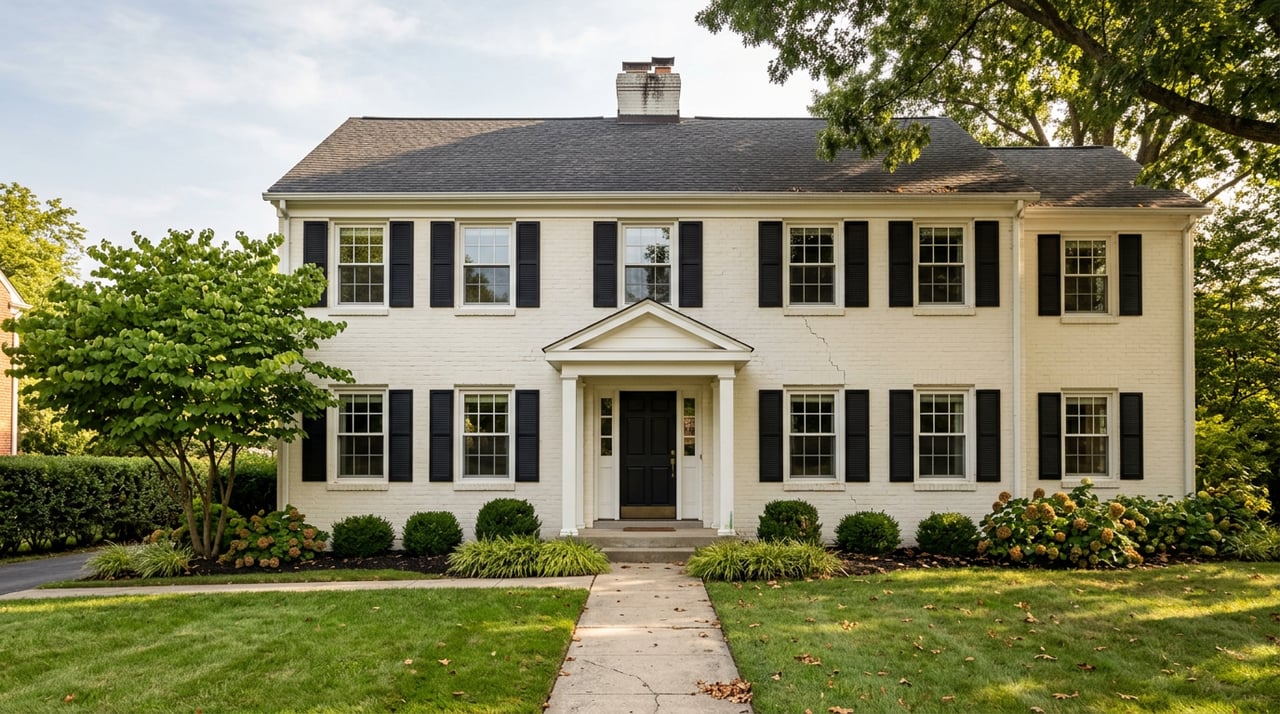
A seller in Allentown lists a two-story rowhome, gets an offer within a week, and assumes the next step is scheduling the buyer's home inspection. Then the buyer's agent asks a different question: has the city's presale inspection been requested yet. Most sellers have never heard of it. By the time they find out, they may have already missed the window to request it on time.
That gap is the thing worth understanding before you list. In most Pennsylvania municipalities, the inspection that decides whether a house passes muster belongs to the buyer. They order it, they negotiate around it, they can waive it entirely. In Allentown, the inspection belongs to the city. The Bureau of Building Standards and Safety inspects the property, decides whether it passes, and issues the paperwork that has to exist before title can legally transfer. Nobody, including the buyer, gets to opt out.
The Clock Starts Before You Have a Buyer
Allentown's city code requires that anyone offering a residential property for sale request a presale inspection within five business days of listing it or receiving an offer to sell. The Bureau of Building Standards and Safety then has three business days to issue an inspection report once the inspection happens. That report is good for one year from the date it was issued, which means sellers who list early and inspect early can carry a clean report through more than one buyer if a deal falls apart.
The rule sits in Chapter 455, Article III of the city's code, most recently amended in December 2025. It applies to single-family homes, duplexes, multifamily buildings, and the residential portions of mixed-use properties. It does not apply to most of the surrounding Lehigh Valley townships, where a presale city inspection simply isn't part of the standard sale process. That distinction matters for anyone comparing a city rowhome to a township colonial on the basis of price alone. The city listing carries a procedural step the township listing doesn't.
What Allentown's Older Housing Stock Actually Fails On
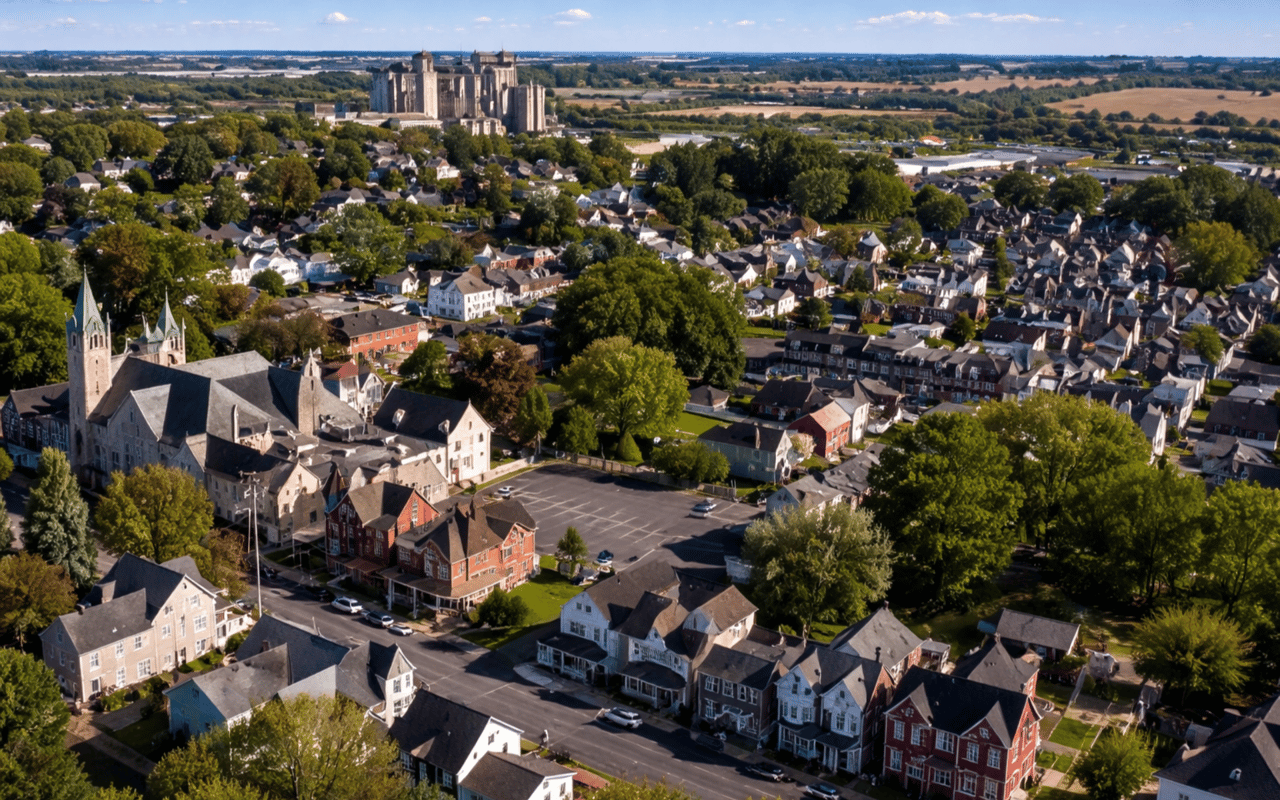
The presale inspection exists because Allentown's housing stock is old enough that deferred maintenance is common rather than exceptional. According to the U.S. Census Bureau's 2024 American Community Survey five-year estimates, roughly 38 percent of Allentown's housing units were built in 1939 or earlier. A large share of the rest predates 1960. Wiring installed under a different code cycle, plumbing that's been patched rather than replaced, and foundations that have settled over eight decades are not unusual findings. They're the expected findings.
That's the interpretation that matters for a seller: the presale inspection isn't testing whether your house is unusually troubled. It's testing whether your house is typical for its age, against a code standard written for new construction. Knowing that in advance changes how a seller should price in repair costs rather than being surprised by them at the worst possible moment in a transaction.
The fee structure below is what the city currently charges to run that process, according to the presale request form filed with the Bureau of Building Standards and Safety.
| Item | Cost |
|---|---|
| Initial inspection, up to 3 units | $100 |
| Each additional unit | $25 |
| Includes one re-inspection | Yes |
| Second re-inspection | $75 per unit |
| Third and subsequent re-inspections | $150 per unit |
| No-show / missed inspection fee | Same as initial inspection tier |
A single-family seller who passes on the included re-inspection pays $100 and moves on. A four-unit property that needs three rounds of corrections is looking at several hundred dollars in inspection fees alone, on top of whatever repairs the violations require. The fee schedule is designed to reward getting it right the first time and to penalize properties that need repeated visits.
Non-compliance carries its own escalating cost. A first violation gets a written notice. A second draws a $500 fine. A third is $750. A fourth and any after that are $1,000 each. That's a separate track from the re-inspection fees, and it applies to owners who ignore the requirement rather than sellers who are actively working through it.
The Workaround That Isn't Really a Workaround
Allentown's process includes a release valve. If the inspection turns up violations, the seller doesn't have to fix everything before closing. Through what the city calls Buyer Acceptance, a buyer can sign a form acknowledging the violations and agreeing to correct them after taking possession. The buyer then has 30 days from taking possession to begin abating those violations, and the buyer or their agent has to notify the city within three business days of the transfer.
This sounds like flexibility, and for the right buyer it is. But it only works cleanly when there's no lender in the picture. A cash buyer can sign the acceptance and move on. A financed buyer runs into a second gatekeeper: their lender. Mortgage underwriters routinely require a Certificate of Compliance before they'll fund, and an open violation on a city inspection report is exactly the kind of thing an underwriter flags. If the certificate isn't issued before settlement, the closing can stall or the financing can fall through entirely, regardless of what the buyer personally is willing to accept.
That's the friction point that catches sellers off guard. They assume that because Pennsylvania buyers can waive their own private inspection contingencies, they can waive their way around this one too. The city's process and the buyer's financing are two separate systems, and only one of them bends.
The Cash Buyer Myth
A related misconception is worth clearing up directly: cash doesn't exempt a sale from the presale inspection requirement. The ordinance applies to the transfer of title, not to how the buyer is financing it. What a cash buyer can do that a financed buyer usually can't is complete the Buyer Acceptance process without a lender objecting, since there's no underwriter in the chain to reject an open violation. That's a real advantage for investors and all-cash purchasers working in Allentown's older housing stock, and it's part of why cash offers on properties with known code issues often land below what a repaired, financeable property would command. The gap isn't arbitrary. It reflects who's absorbing the cost and timeline risk of getting the property back into compliance.
The City Just Tied This to a Second System
In July 2026, Allentown's city council approved a new vacant property registry, distinct from the presale inspection program but designed to work alongside it. Director of Building Standards and Safety Heidi Westerman told council the registry exists so the city has an accurate list of which properties are actually vacant, since first responders have in the past entered buildings not knowing whether they were occupied. The registration fee runs $150 for a standard residential vacancy and $300 for one expected to stay vacant more than 90 days.
Here's the part that connects back to the presale process: the city has indicated it won't charge that registration fee to owners who have already completed a presale inspection on the property they're selling. In practice, a report that already exists in the city's system is becoming something sellers can point to across more than one municipal requirement, not just the sale itself. That's a small signal of a larger direction: Allentown is building out interlocking systems around property condition and occupancy, and the presale inspection report is turning into a piece of documentation with a life beyond the transaction it was created for.
What This Means for Timing Your Sale
The practical takeaway is sequencing. Request the presale inspection as early as the five-business-day window allows, ideally at listing rather than after an offer arrives, since the report is valid for a full year and can carry you through more than one buyer if a deal falls through. Budget for the possibility of a second inspection round on any home built before 1960, since that's where the failure rate concentrates. And if a buyer's financing is part of the deal, treat the Certificate of Compliance as a closing requirement with its own timeline, not an afterthought that can be handled with a signature at the table.
A Few Quick Answers
Does this apply to condos? The ordinance covers any building or portion of a building with one or more dwelling units, which includes condos and the residential portions of mixed-use buildings, not just detached single-family homes.
How long does a passed inspection report stay valid? One year from the date it was issued, which means a report from an earlier attempted sale can sometimes still be used if the property goes back on the market within that window.
What happens if the seller never requests the inspection at all? Responsibility shifts to the buyer, who then has to request and pay for the inspection themselves before the transfer can be completed.
Getting the sequencing right on a requirement like this is exactly where local, hands-on guidance earns its keep. If you're weighing a sale in Allentown and want a clear read on timing, repair costs, or how a specific property is likely to inspect, The Cliff Lewis Experience can walk through it with you before you list, not after an offer is already on the table. Contact us.