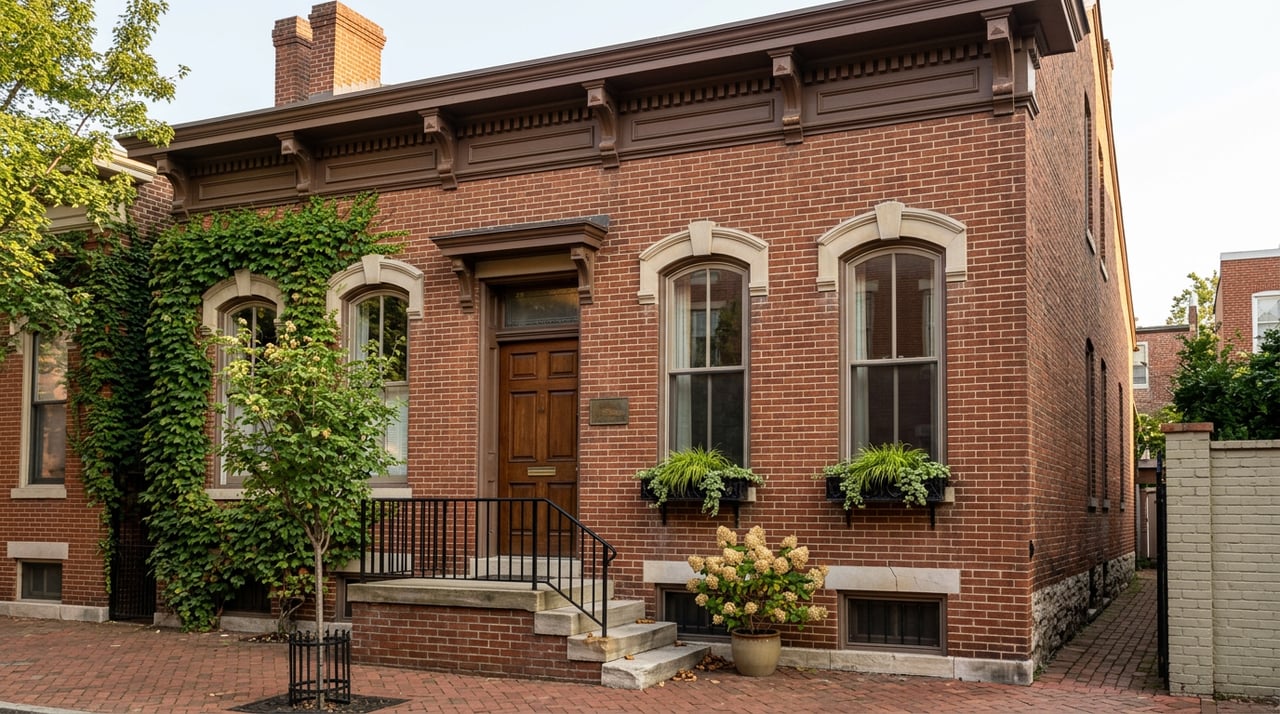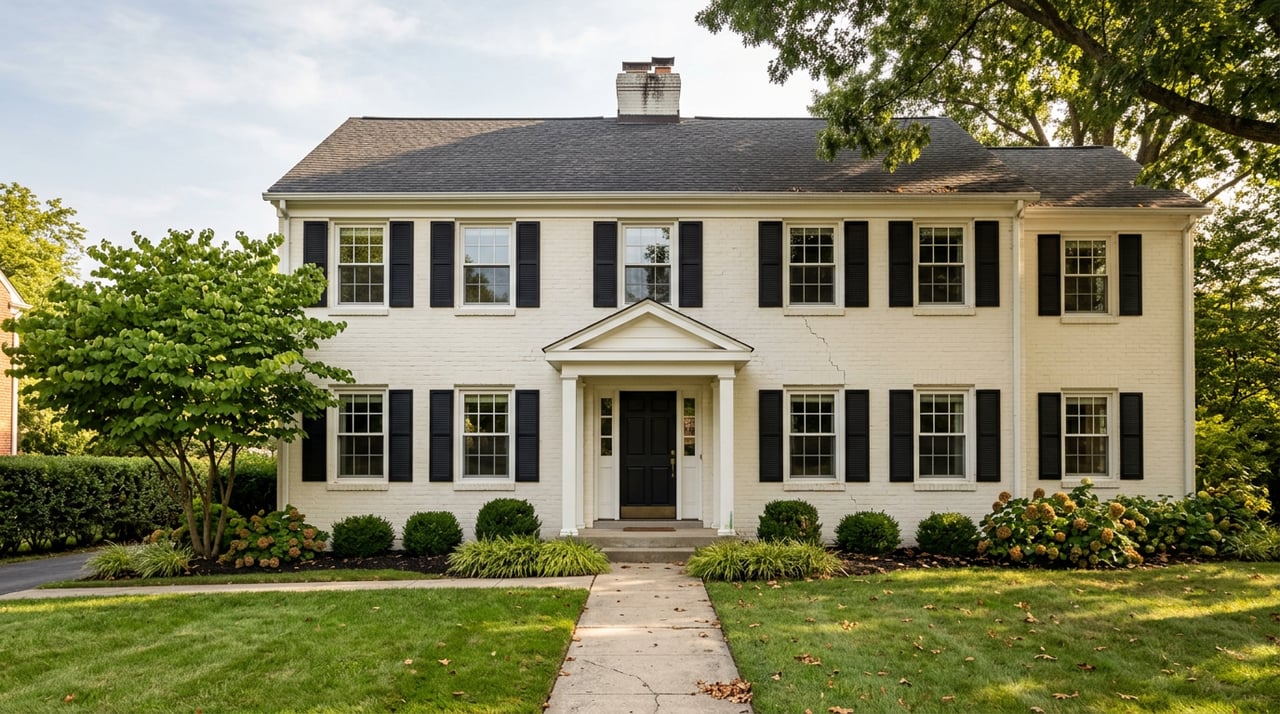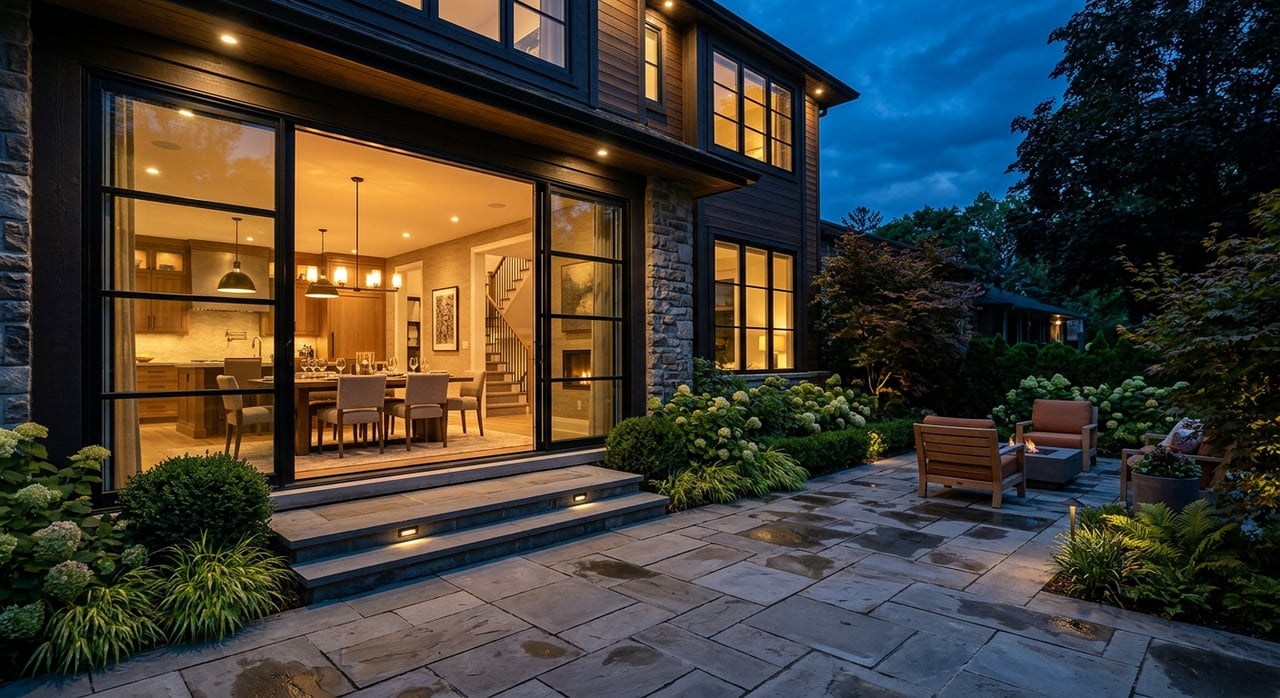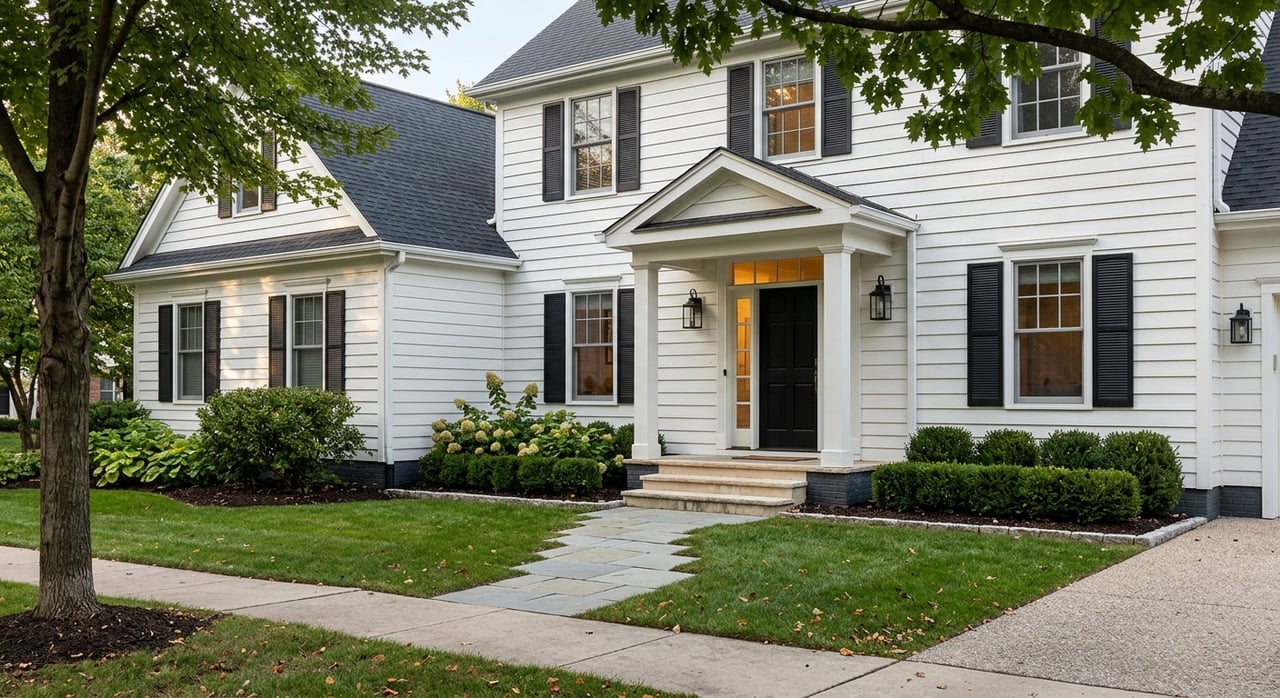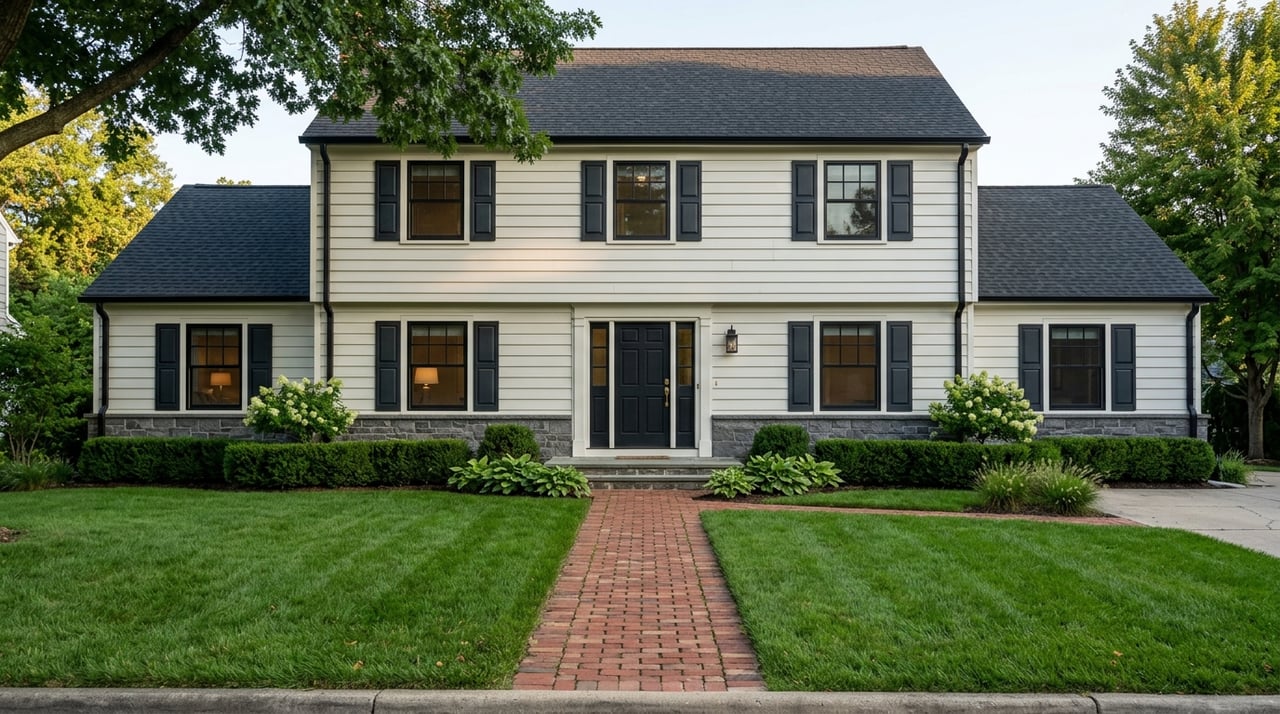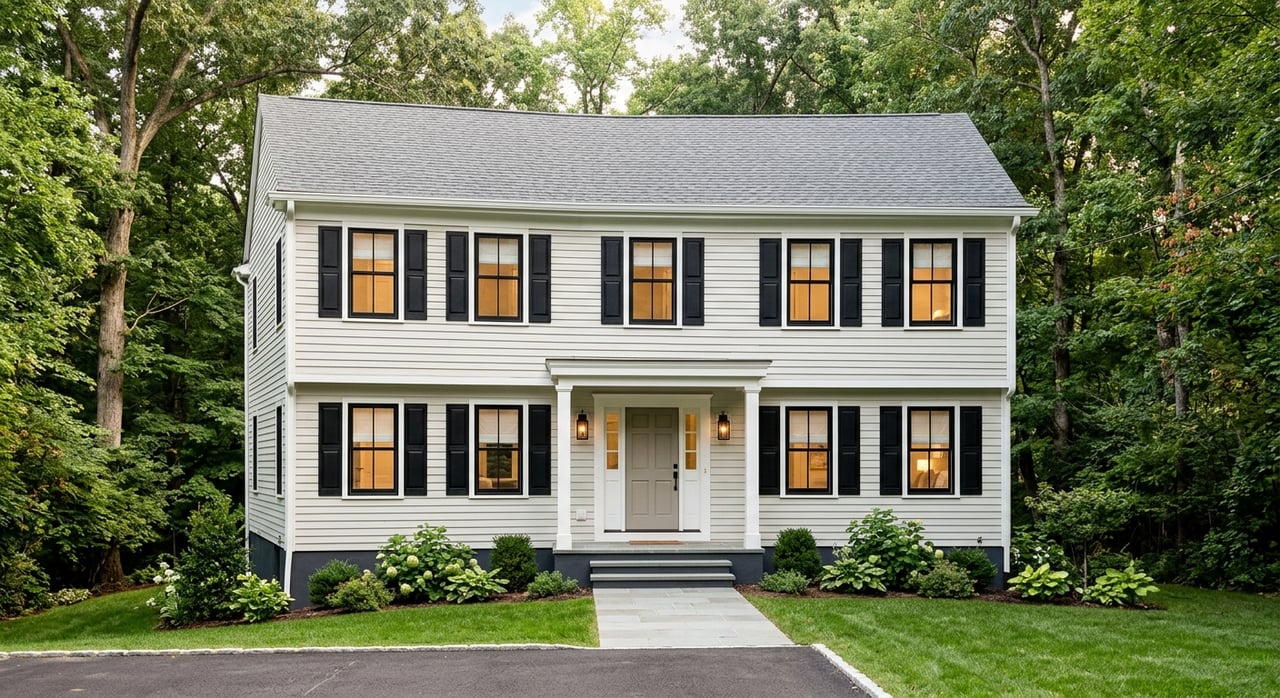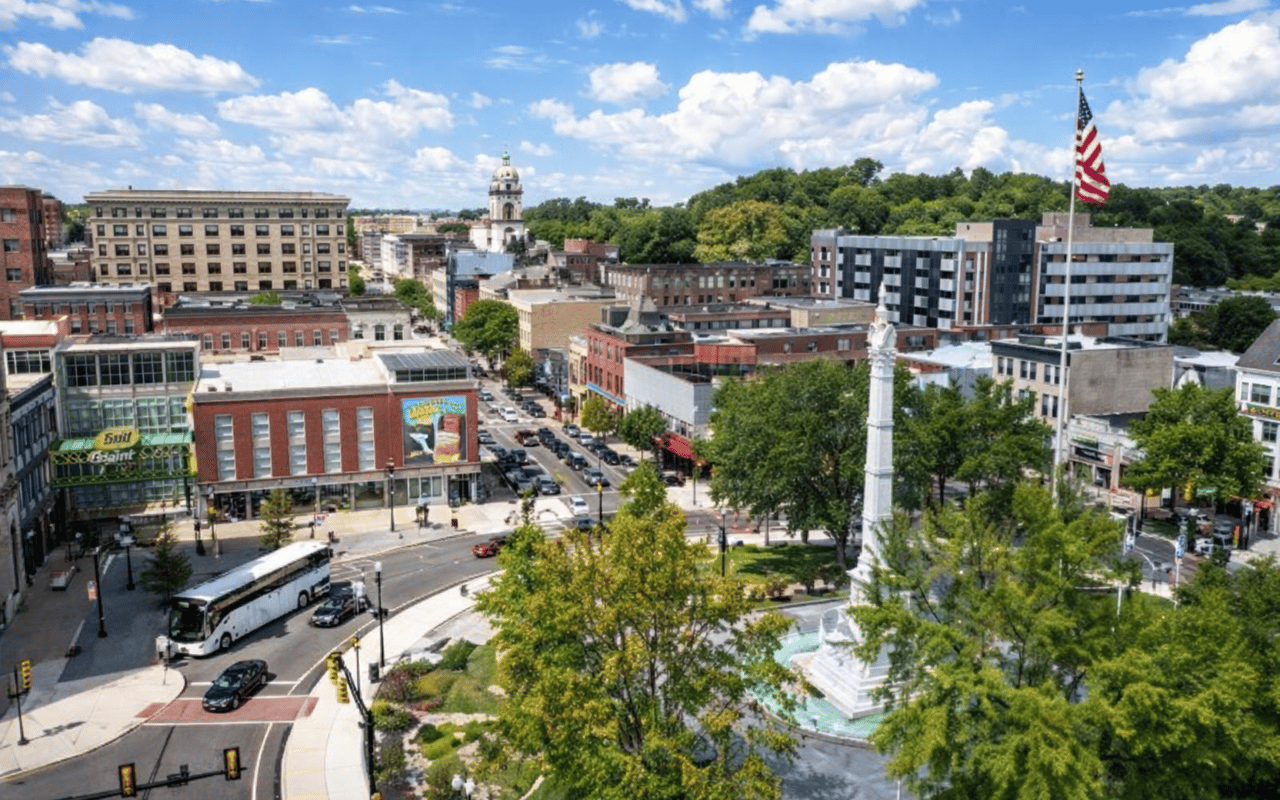
Picture two listings that hit the market the same week, both priced in the low $300,000s, both inside Bethlehem city limits. One sits a few blocks west of the Monocacy Creek. The other sits east of it, closer to Center Street. A buyer comparing the two listing sheets notices the assessed value field looks wildly different between them, off by a factor of five or more, and assumes one of the numbers must be a typo.
Neither is wrong. They are just measuring two different things, because Bethlehem is one of the few cities in Pennsylvania that sits inside two separate counties at once, and each county runs its own, entirely independent property tax system underneath the same city government.
A City With Two Assessors
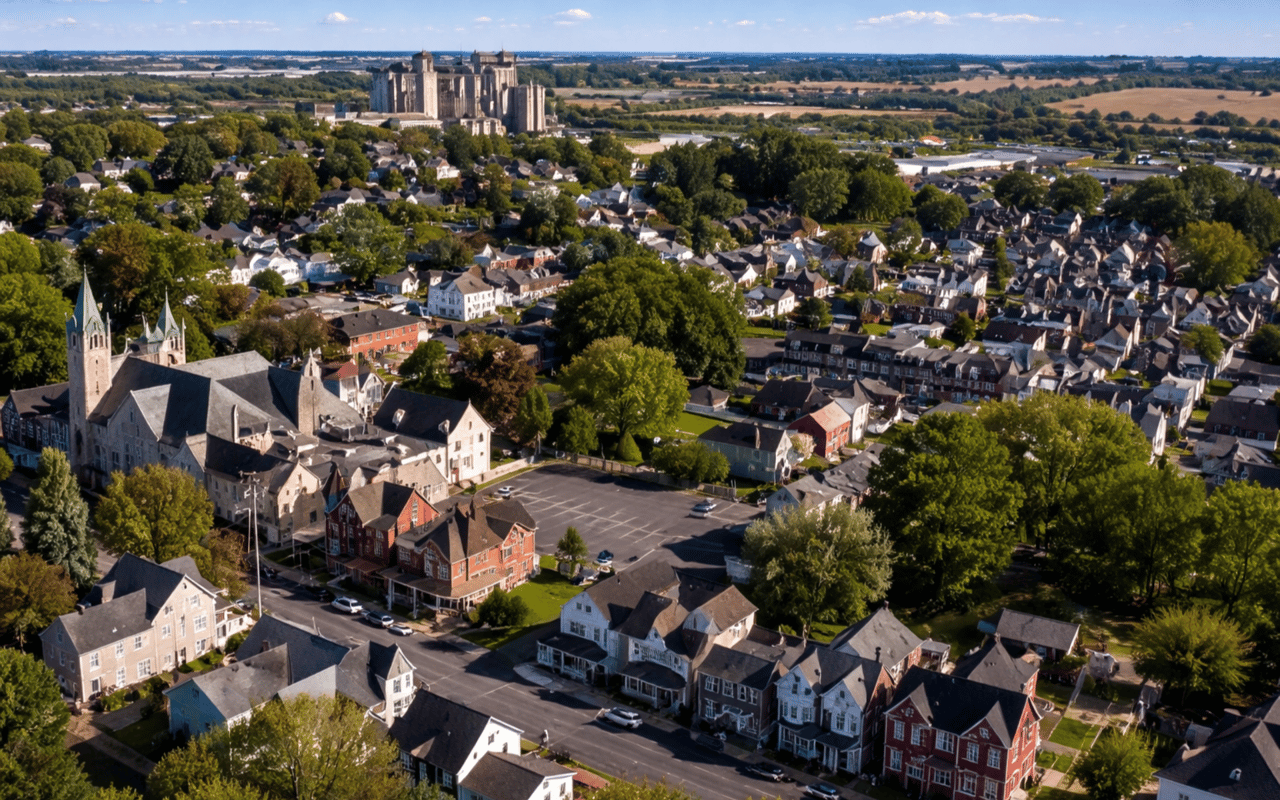
Bethlehem's West Side occupies roughly a third of the city's land area and falls inside Lehigh County. The rest of the city, Center City, the North Side, the East Side, and the South Side, sits in Northampton County. The dividing line runs along the Monocacy Creek and up to the Hanover Township border, and it has nothing to do with school zones, ZIP codes, or which neighborhood name shows up on a real estate flyer. As of the 2020 census, 55,639 Bethlehem residents lived on the Northampton County side of that line and 19,343 lived on the Lehigh County side, so most of the city, and most of its inventory, falls under Northampton's rules.
That split means two county assessment offices independently decide what a Bethlehem property is worth for tax purposes: Northampton County's office, headquartered in Easton, and Lehigh County's, headquartered in Allentown. Two different governments, two different formulas, one city.
The Millage Rate You Can't Compare Directly
The city of Bethlehem itself publishes the clearest evidence of how differently these two systems run. For 2026, the city portion of the property tax bill is set at 6.21 mills for parcels in the Lehigh County section of the city and 19.64 mills for parcels on the Northampton County side, a gap of more than three times. On its face, that number tells a buyer the Northampton side costs more to own.
It doesn't, at least not automatically, and the city's own tax page explains why in one line: the two counties use different base years for determining assessed value, and that difference in base years is the actual reason the millage rates differ so sharply. A higher millage rate applied to a much smaller assessed value can produce a smaller bill than a lower millage rate applied to a value that tracks closer to what the home would actually sell for.
Here's what that looks like in real dollars, based on the example the city used when it adopted these rates for the 2025 budget, the same millage figures still in effect for 2026:
| County side | 2026 city millage | Example assessed value | Resulting city tax |
|---|---|---|---|
| Lehigh (West Side) | 6.21 mills | $300,000 | $1,863 |
| Northampton (rest of city) | 19.64 mills | $200,000 | $3,928 |
Look at what happened there. The Lehigh County property carries the higher assessed value in this example and still owes less in city tax, because its millage rate is a fraction of the other county's. Read the numbers without knowing about the base-year difference and the conclusion runs backward.
Why the Math Inverts
This is the part that trips up buyers moving between the two sides of the city, and even some agents who don't work Bethlehem regularly. Lehigh County reassesses property closer to current fair market value, so a home's assessed figure tends to sit near what it would actually fetch on the market. Northampton County's assessed values are pegged to an older base year, which means the number on the tax card reflects what that property was worth years ago, not what it's worth today. To raise a comparable amount of revenue against a much smaller assessed base, Northampton's rate has to run higher.
The practical result is that the "assessed value" line on a Bethlehem listing sheet isn't a neutral fact you can compare across the city. It's only meaningful once you know which county produced it. A $200,000 assessed value on the Northampton side and a $200,000 assessed value on the Lehigh side are not describing homes of comparable market worth, and treating them as equivalent is where the math falls apart for buyers doing quick side-by-side comparisons.
It's also worth remembering that the city only bills its own portion of the tax. County tax and school district tax arrive as separate bills from separate authorities, and those follow their own rate-setting processes on each side of the line. The city millage comparison above tells you about one slice of the total bill, not the whole thing, and buyers weighing two Bethlehem addresses should ask their lender or agent to pull the full combined rate for the specific parcel rather than assuming the city numbers tell the whole story.
The Paperwork Runs Through Two Different Courthouses
The administrative split carries all the way through to how a homeowner disputes an assessment. Property owners on the Northampton County side file appeals with the Northampton County Board of Assessment Appeals, while owners on the Lehigh County side file with Lehigh County's board. Both counties use the same August 1 filing deadline each year, and both expect similar evidence, recent comparable sales, an independent appraisal, or documentation that corrects an error in recorded square footage or condition. But a homeowner who calls the wrong county's office, or pulls records from the wrong portal, loses time they don't get back before the deadline.
For anyone buying on the West Side, that means learning Lehigh County's assessment process from scratch even if every other transaction detail, from the mortgage lender to the title company, runs through the same channels used across the rest of the Lehigh Valley. For anyone buying on the Northampton side, it means the appeal and assessment history lives in Easton, not in Bethlehem's own city hall.
What This Looks Like in Current Listings
The price data available shows the county line doesn't map onto price the way you'd expect either. Over the three months ending April 2026, Bethlehem's citywide median sale price ran $318,000, up 10.4 percent year over year. Northeast Bethlehem, which falls on the higher-millage Northampton County side of that line, posted its own median sale price of $395,000 over the three months ending May 2026, up 17 percent year over year, well above the citywide figure.
So the side of the city carrying the steeper city millage rate is also home to one of its priciest submarkets, not a discounted one offsetting the higher rate. Sale price and assessment burden are moving on two different tracks, which means a buyer can't infer future tax exposure from a neighborhood's reputation or its median price. The only reliable way to know is to check which county actually holds the parcel.
For anyone comparing two Bethlehem addresses this fall, the smart move is asking early which side of the Monocacy Creek line each one falls on, then asking your agent to pull the full combined rate, city, county, and school, for that specific parcel rather than relying on the assessed value printed on the listing sheet. At The Cliff Lewis Experience, that's a conversation we walk buyers through before they fall in love with a house, not after the mortgage estimate comes back higher than expected. If you're weighing a move to Bethlehem, reach out and we'll help you compare apples to apples, no matter which side of the county line you're considering.
A Few Quick Answers
How do I know which county a Bethlehem address falls in? The Monocacy Creek and the Hanover Township border roughly mark the line. If the address is in the West Side, it's almost certainly Lehigh County. Center City, North Side, East Side, and South Side addresses fall in Northampton County.
Does the county line also split the school district? Not necessarily. School district boundaries in Pennsylvania are drawn independently of county lines, so the county responsible for your tax assessment isn't a reliable stand-in for which school district serves the address. Confirm the district separately rather than assuming it follows the same line.
How do I find out which county office actually governs a specific address? Northampton County and Lehigh County each maintain their own parcel and assessment records, accessible through their own separate county portals. Before comparing two Bethlehem listings, confirm which county's system applies to each one so you're reading the assessed value against the correct millage rate.