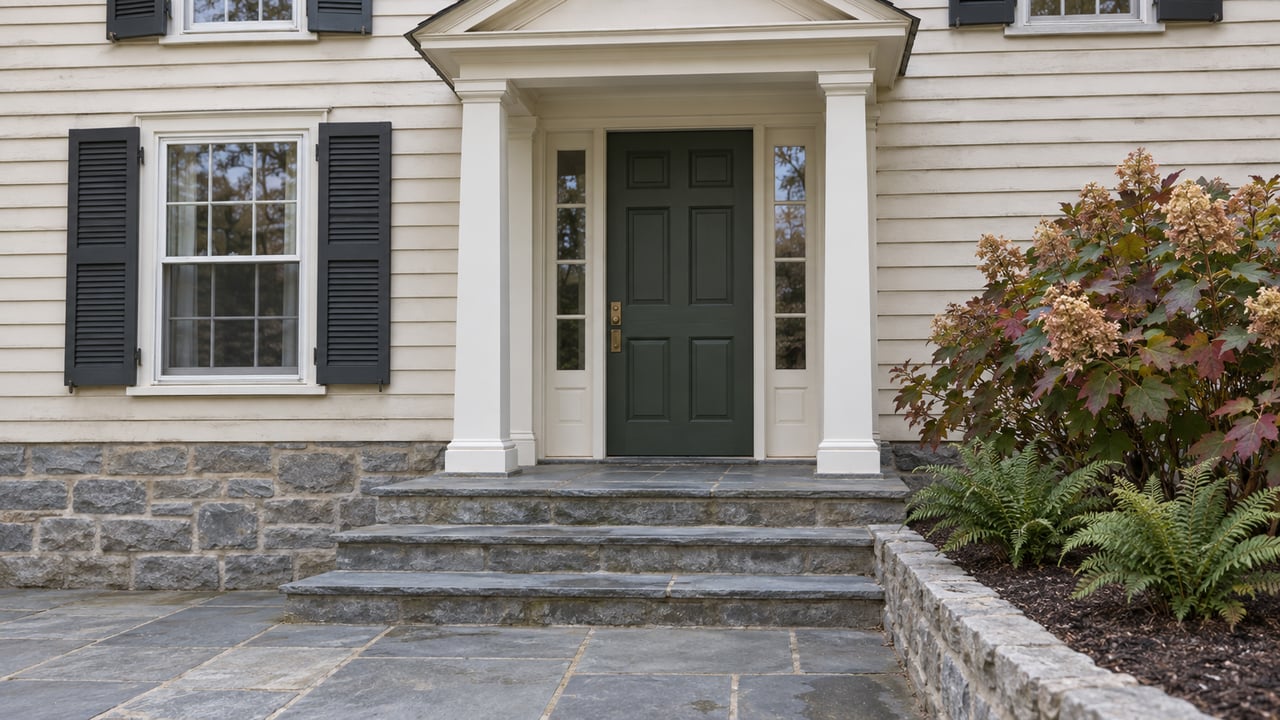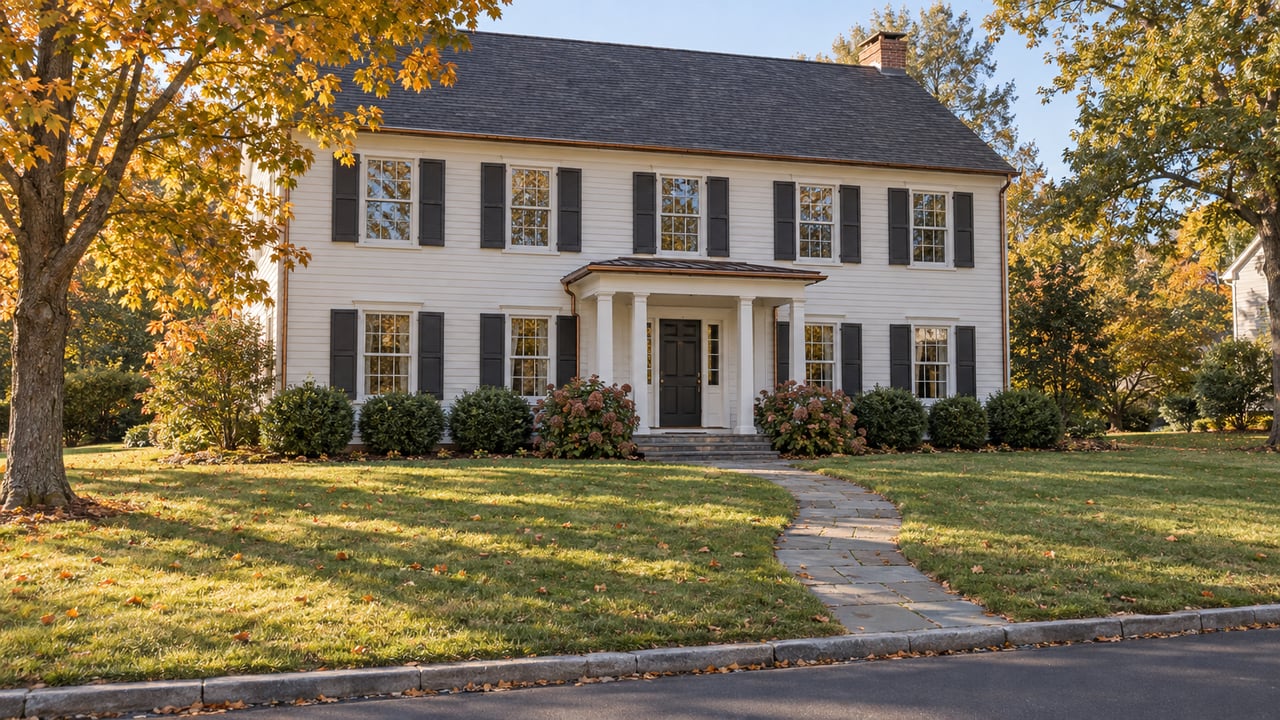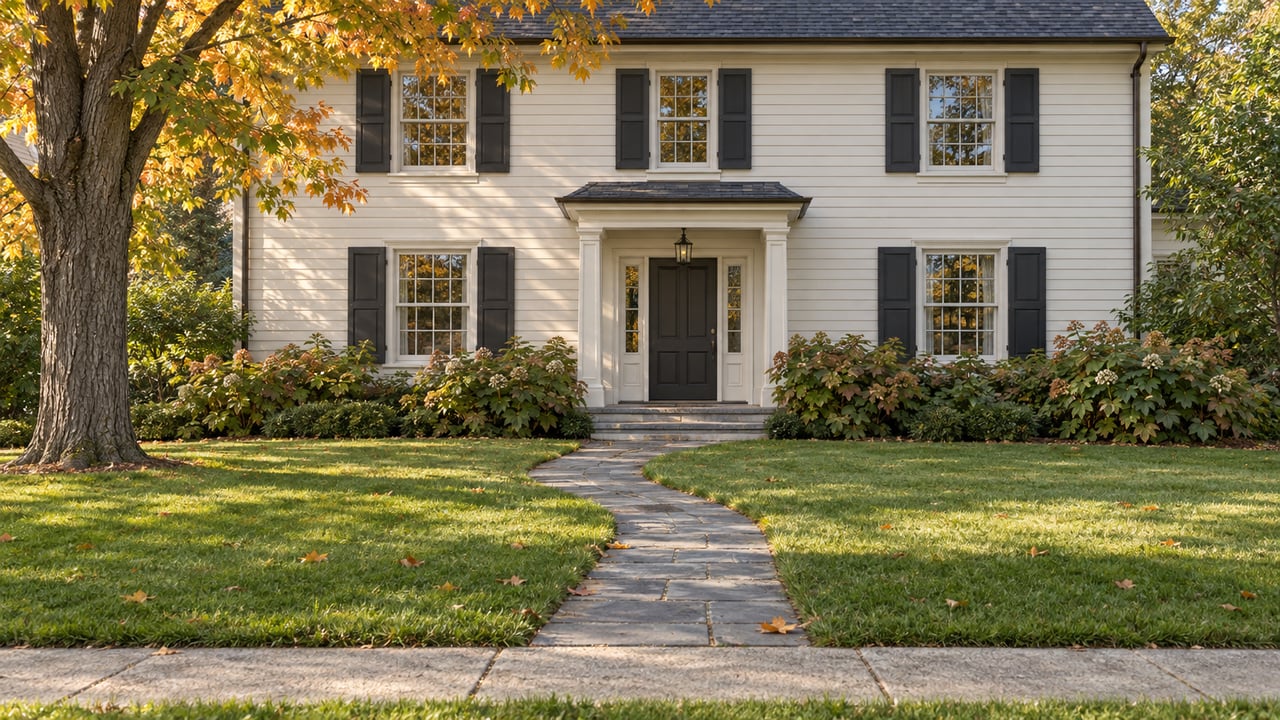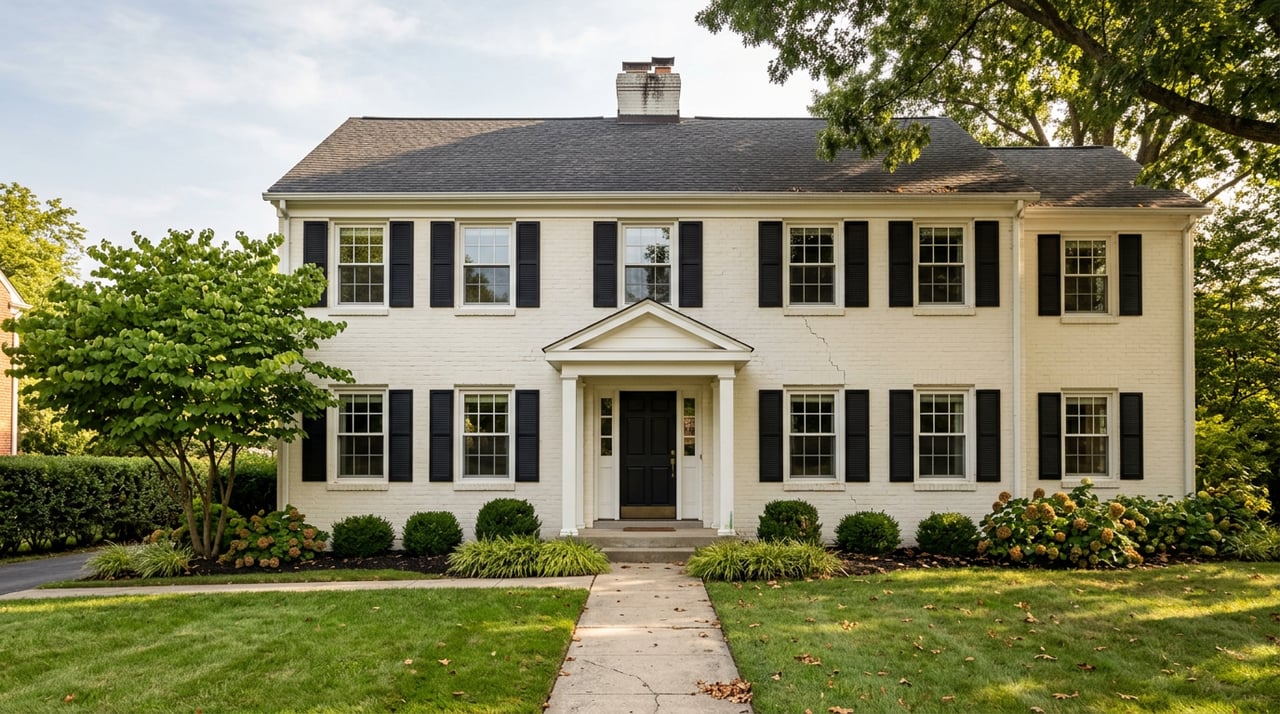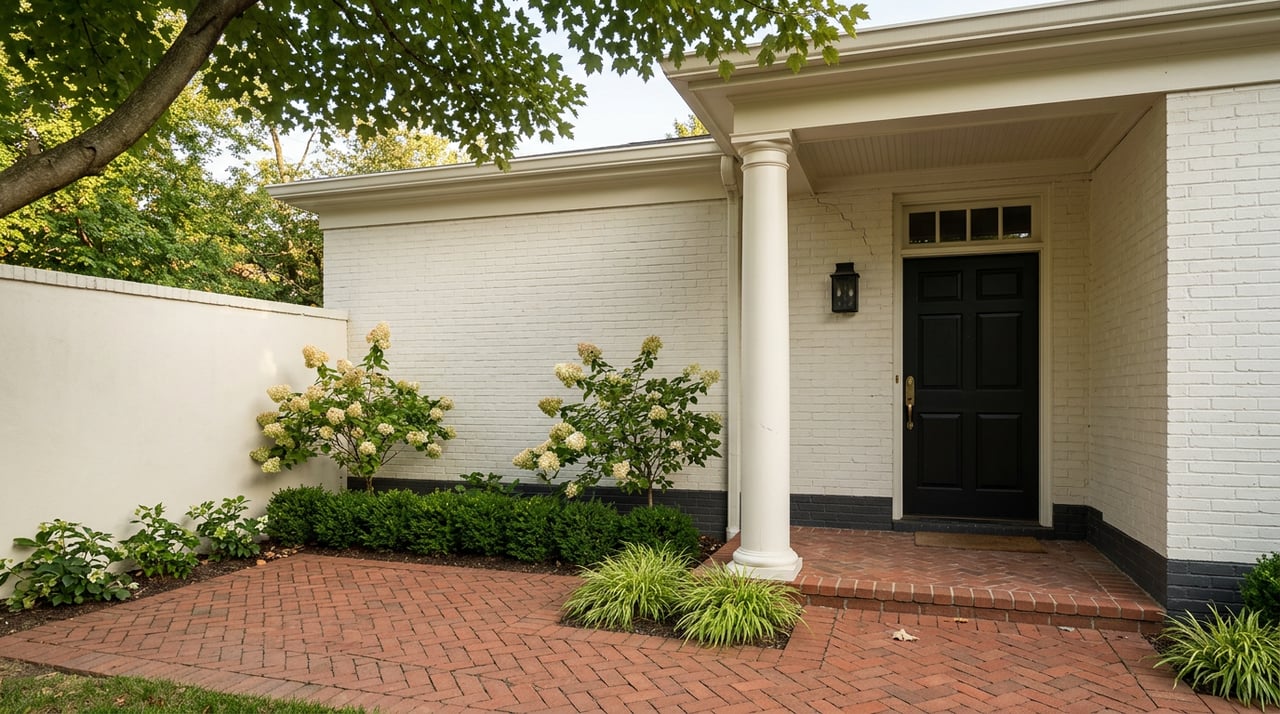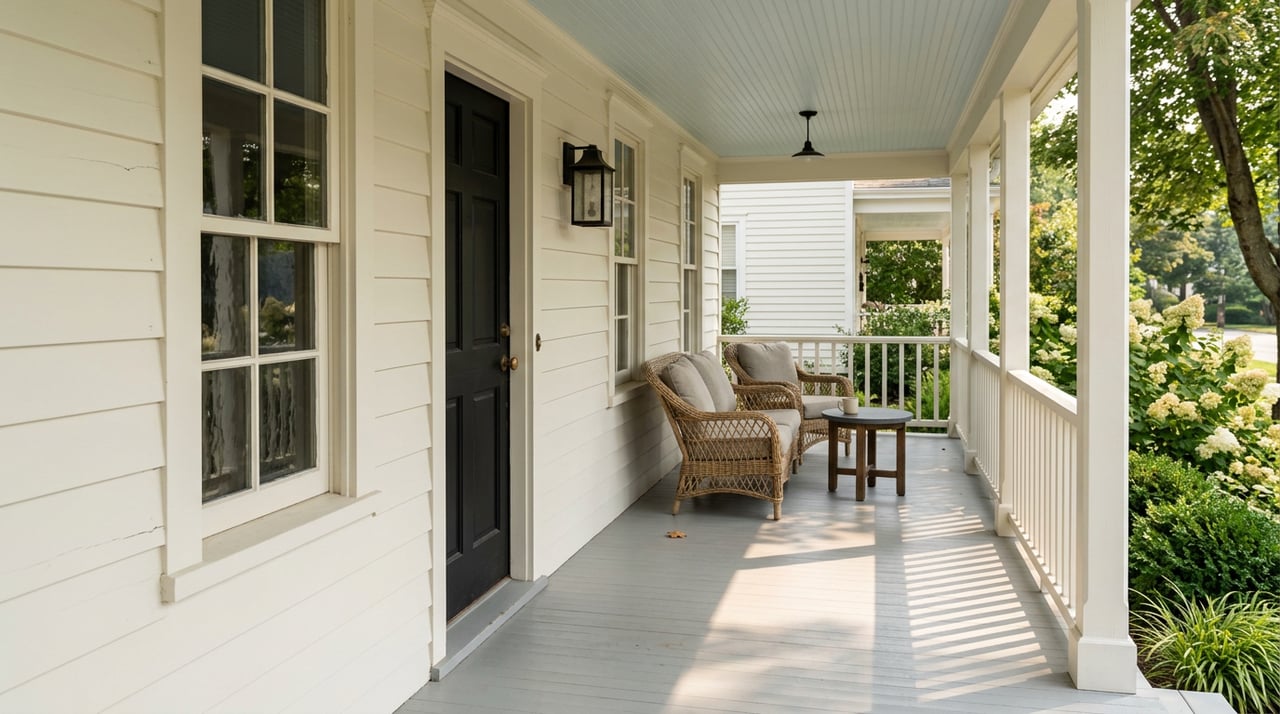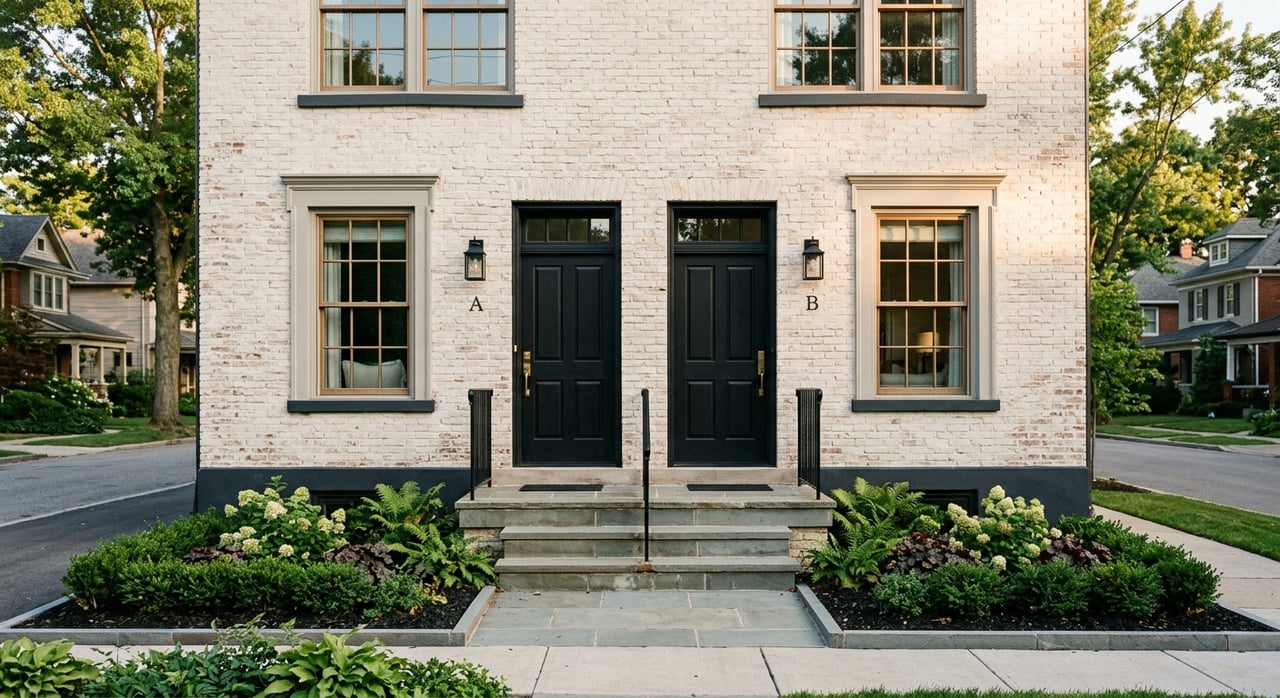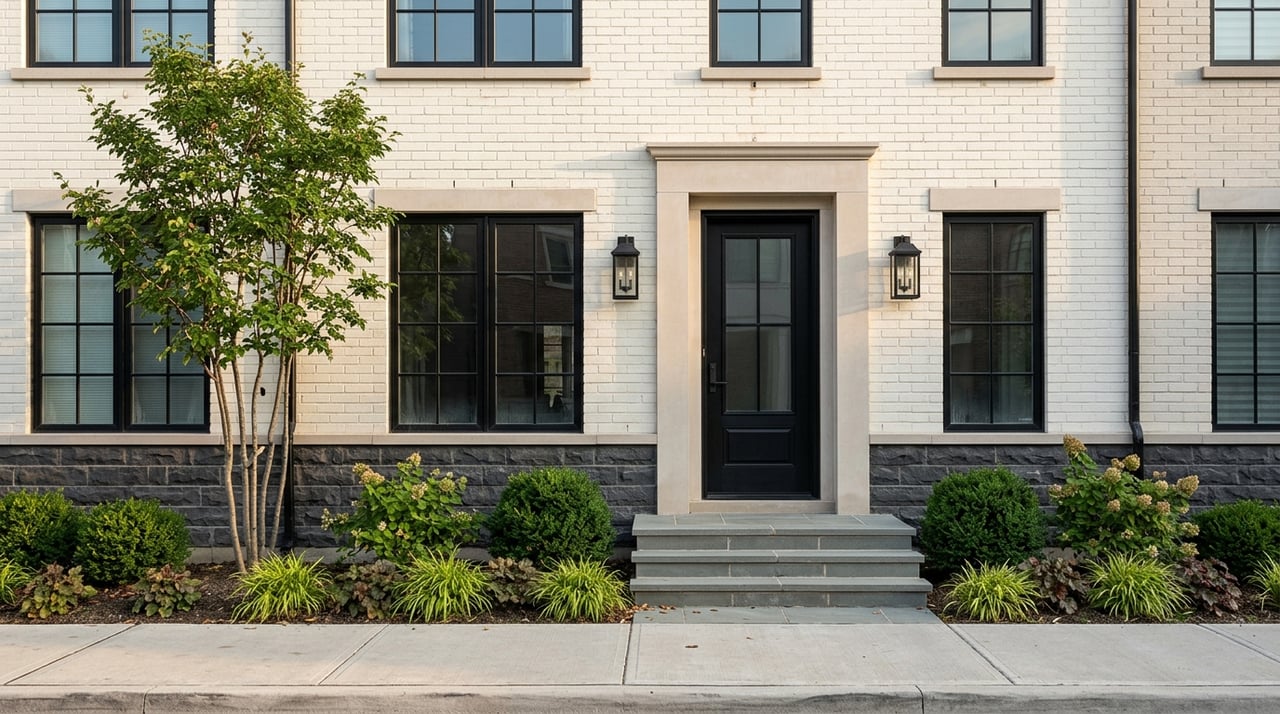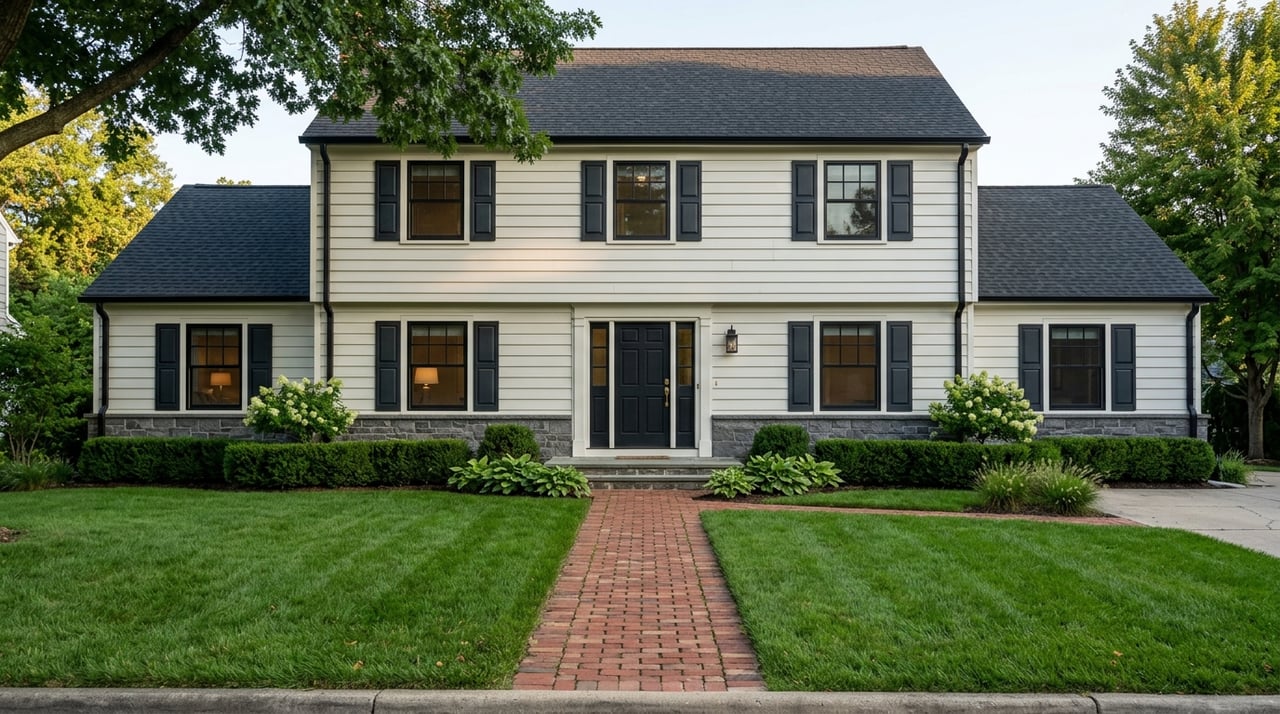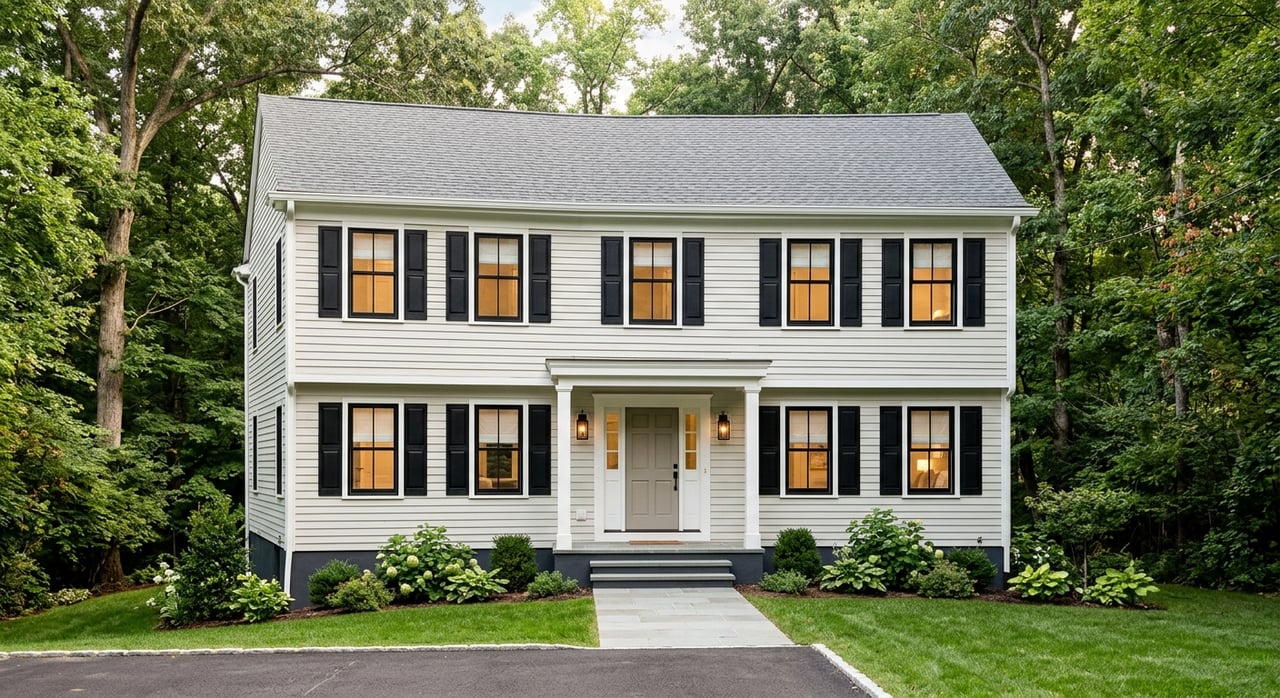
Two rowhomes go under contract in Allentown the same week. Both sit in areas the city calls a historic district. Both list for roughly the same price per square foot. One buyer closes, repaints the porch that fall, and moves on. The other submits a photo of new porch columns to the city and waits six weeks for an answer before the work can start.
The listing price told them nothing about which buyer they'd be.
Allentown has three historic districts: Old Allentown, Old Fairgrounds, and West Park. Anyone comparing them on a portal sees three different median prices and assumes those numbers are measuring desirability, block by block. They're mostly measuring something else: how few homes actually sell in each district in a given month, and how much regulatory friction sits on top of whatever number a seller eventually accepts.
The median that moved 40 percent in a year
Start with West Park Historic District. The median sale price there fell more than 40 percent year over year as of March 2026, according to one data provider's neighborhood tracker. A separate source, looking at the trailing 12 months instead of a single month, put the decline at over 50 percent. Old Allentown Historic District's median dropped 17 percent year over year as of May 2026 by the same kind of measure.
Read those numbers next to Allentown's citywide figure and the contrast gets sharper. Citywide, the median sale price over the three months ending April 2026 was $255,000, up 1.9 percent from the same period a year earlier. That's a normal, boring number. It moves the way markets are supposed to move.
The historic district numbers don't move that way because they aren't measuring the same thing. Old Allentown had exactly one recorded home sale in the most recent month tracked by one portal, alongside 13 homes listed at a median asking price of $235,000. When a neighborhood trades one or two homes a month, the median is really just reporting whichever two houses happened to close. A single higher-end renovation or a single distressed sale swings the number by tens of thousands of dollars without the underlying market shifting at all.
That's the first thing worth knowing before comparing these three districts by price alone: the percentage change is noise, not signal, unless you also know how many homes it's built on.
| District | Recent median (approximate) | Reported YoY move | What's driving the swing |
|---|---|---|---|
| Old Allentown Historic District | $194,934 (May 2026) | down 17% | Very low monthly sales volume |
| West Park Historic District | $259,000-$262,000 (trailing periods through March 2026) | down 40-53% depending on window | Very low monthly sales volume |
| Old Fairgrounds Historic District | No reliable independent median available | n/a | Same low-volume pattern, less tracked |
| Allentown citywide | $255,000 (3 months ending April 2026) | up 1.9% | Hundreds of monthly sales smooth the number |
One ordinance, three different housing stocks
If the price swings aren't the real story, the regulation underneath all three districts is. Allentown adopted its Historic District Ordinance in 1978, and it now sits as Chapter 328 of the city code. Any exterior change to a building in Old Allentown, Old Fairgrounds, or West Park requires a certificate of appropriateness before the work happens, whether that's a new roof, a repainted facade, a rebuilt porch, or a fence. The Old Allentown Preservation Association is direct about the consequence of skipping that step: unauthorized exterior work can bring a fine in excess of $300, on top of whatever it costs to undo or redo the work later.
The city doesn't treat every project the same way, though. Its own historic preservation office describes three tiers:
Routine maintenance requires no review at all. Minor changes may only need staff-level sign-off. Substantive alterations, the kind that change a building's appearance from the street, are the ones that go in front of the full Historical Architectural Review Board.
That tiering matters because the three districts don't hand you the same mix of routine, minor, and substantive projects.
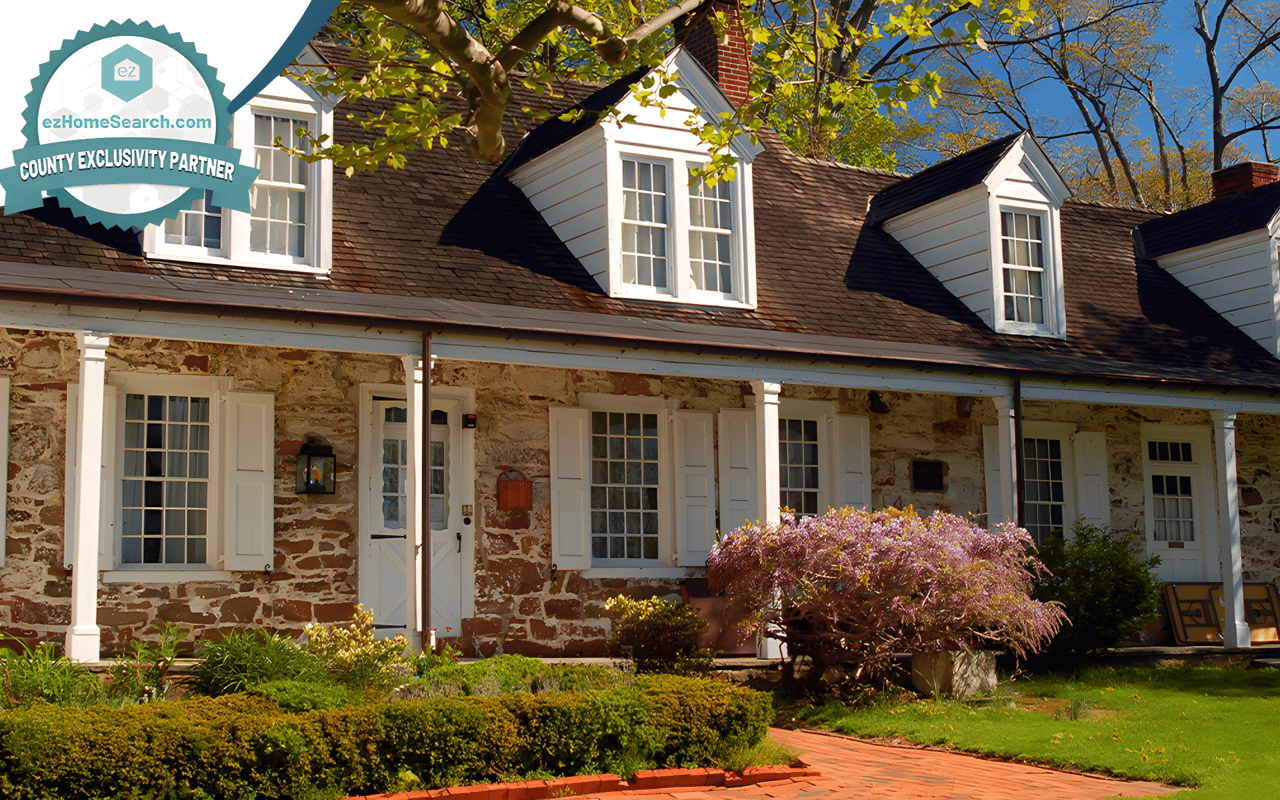
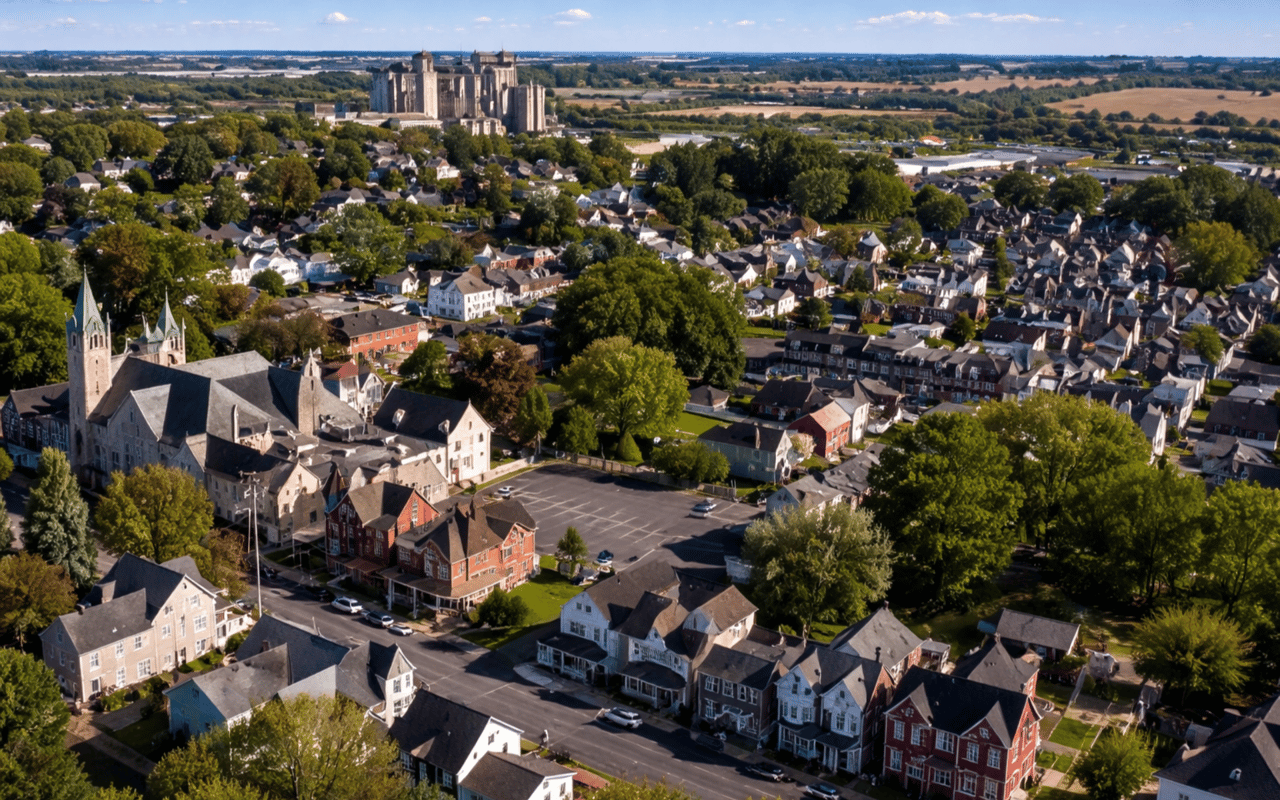
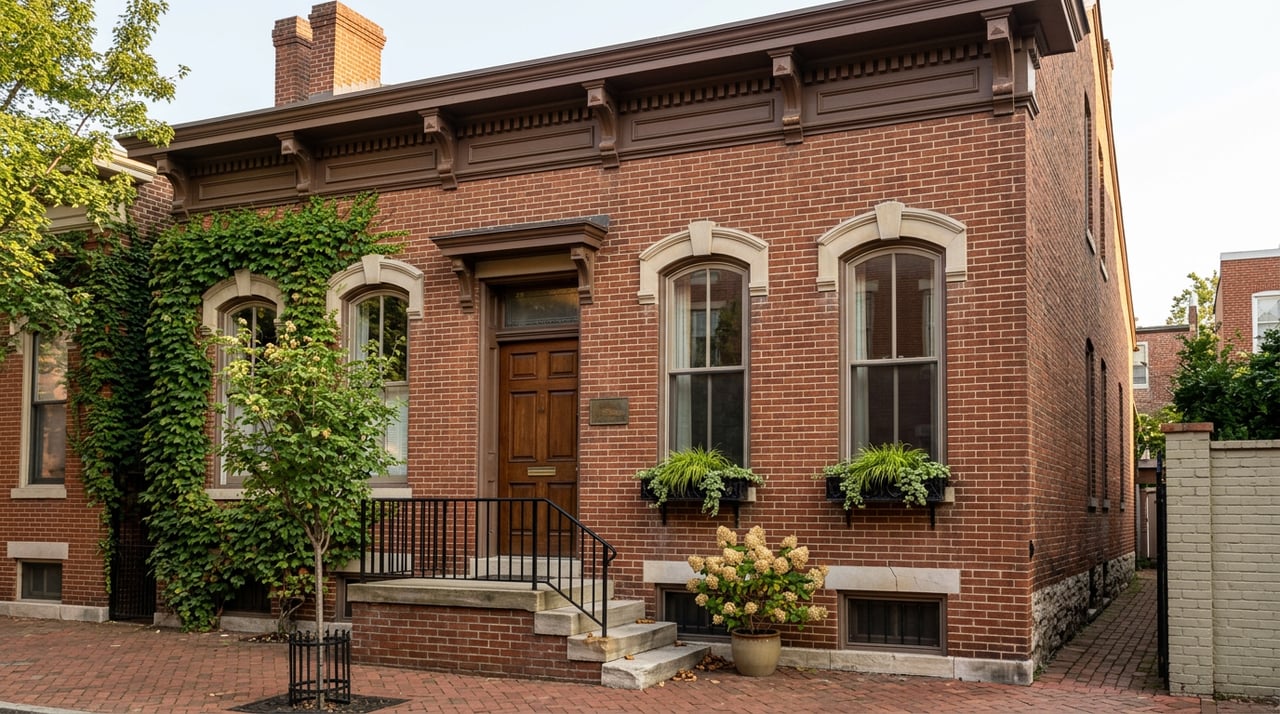
Old Allentown's rowhouses date to the mid- and late-19th century, and the district's building stock is a genuine mix of Federal, Italianate, Eastlake, and Second Empire detailing on continuous brick facades. That variety is part of what makes the neighborhood distinctive, and it's also what makes review slower in practice: matching a cornice or a window surround appropriately depends on which decade and style that specific block was built in, not on a single neighborhood template.
Old Fairgrounds tells a more uniform story. The district sits on land that was the Lehigh County Agricultural Society's fairgrounds from 1852 to 1888. When the fairgrounds relocated west that year, developers bought the land, platted new streets and alleys, and built groups of residences with consistent styles, materials, and detailing all at once. A rowhouse renovation here is more often being measured against its immediate neighbors, which tends to narrow the range of what counts as appropriate and can make a HARB review more predictable, even if it's no less required.
West Park's homes are Victorian and Craftsman in style, generally larger and more architecturally formal than the Old Allentown rowhouse. The city's own guidelines single out roofs specifically as a character-defining feature, not a cosmetic afterthought, which matters most in a district where roof lines and materials carry more of a home's visual weight. A West Park roof replacement is a bigger, more visible line item to bring through review than a rowhouse's is.
Why the historic-district listings sit longer
Allentown as a whole is a fast market right now. Homes have been selling in roughly 17 days on average over recent months, with multiple offers common. Inside the historic districts, the pace slows. Old Allentown's cheap-home listings were sitting a median of 35 days as of a recent snapshot. West Park listings have been running around 67 days.
Some of that gap is buyer hesitation about older mechanicals or unfamiliarity with historic-district rules. Some of it is the HARB timeline itself. A seller who wants to list a home with fresh exterior paint, a repaired porch, or a new roof has to build the certificate-of-appropriateness process into their prep schedule, not just their budget. That review window doesn't show up on a listing sheet, but it shows up in how long the home sits before it's truly market ready.
What this means if you're comparing the three
If you're weighing these neighborhoods against each other, the question worth asking isn't which one has the lower median this quarter. It's what kind of exterior work the house you're considering is likely to need in the next five years, and how that specific district's building stock and review pattern will treat that project. A cosmetic repaint in a district with staff-level sign-off moves fast. A roof or porch rebuild in a district where HARB weighs in on character-defining features takes longer and should be budgeted with that timeline in mind, not against a generic renovation schedule.
Local preservation groups have, at times, offset some of that cost. The Old Allentown Preservation Association has periodically run a reimbursement grant covering paint and exterior woodwork, up to $500 per property, aimed at exactly this kind of facade maintenance. Programs like that come and go with funding, so treat any specific grant as something to verify at the time you need it, not something to count on in advance.
FAQ
Does every exterior project in a historic district need HARB approval? Not every project goes to the full board. Routine maintenance is exempt, minor changes may only need staff review, and it's the substantive alterations, the ones visible from the street, that require a certificate of appropriateness through HARB itself.
What happens if I do exterior work without approval? The Old Allentown Preservation Association's own guidance points to fines in excess of $300 for unapproved exterior alterations, separate from any cost to bring the work back into compliance afterward.
Are Old Allentown, Old Fairgrounds, and West Park governed by the same rules? Yes. All three fall under the same Historic District Ordinance and the same HARB review process. What differs is the age, consistency, and architectural style of each district's housing stock, which changes how long and how involved a given review is likely to be.
If you're comparing Allentown's historic districts and want a read on what a specific address will actually mean for your renovation timeline and budget, not just its list price, The Cliff Lewis Experience can walk you through it before you write an offer.